Roger Remaut: Belgian Abstract Artist from Ostend — Mu.ZEE & Belgian State Collections
Born in the Ruins — Roger Remaut, Belgian Abstract Artist from Ostend
In 1942, Roger Remaut entered the world in Nazi-occupied Ostend. While Europe burned, a child played amongst the bombed ruins of his city. These fragments became his first canvas—jagged walls, collapsed structures, surfaces scarred by violence and time.
This childhood among devastation would forever shape his artistic vision. The damaged walls of postwar Belgium became the genesis of his abstract language—a visual poetry drawn from concrete destruction.
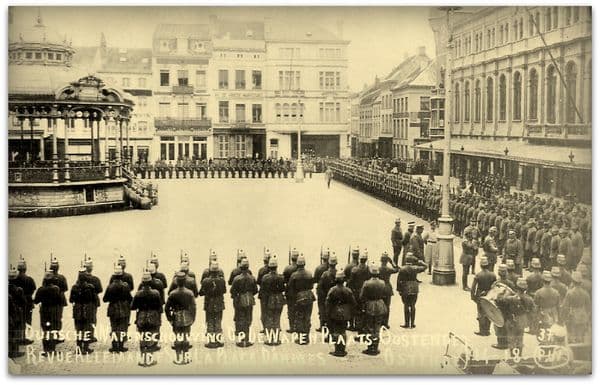
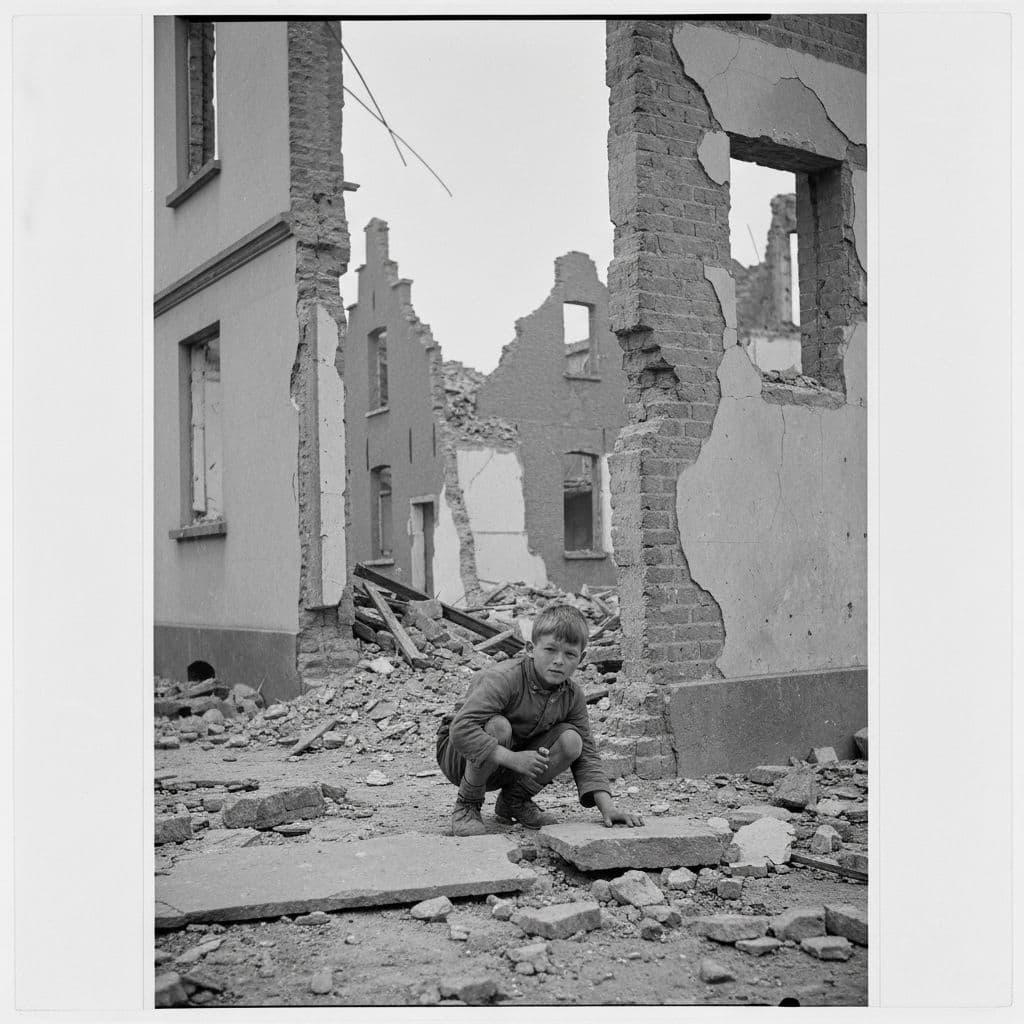
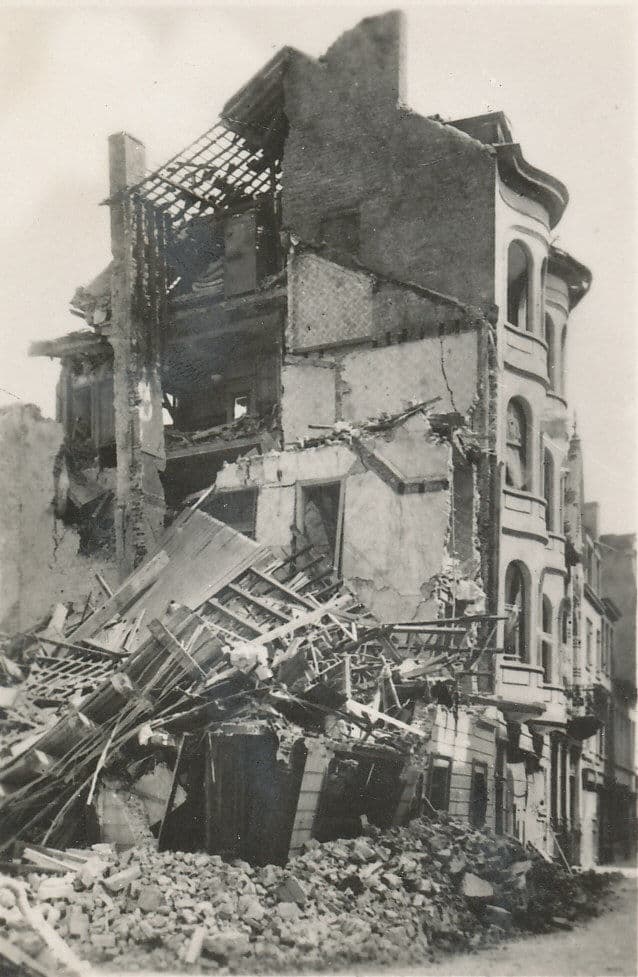
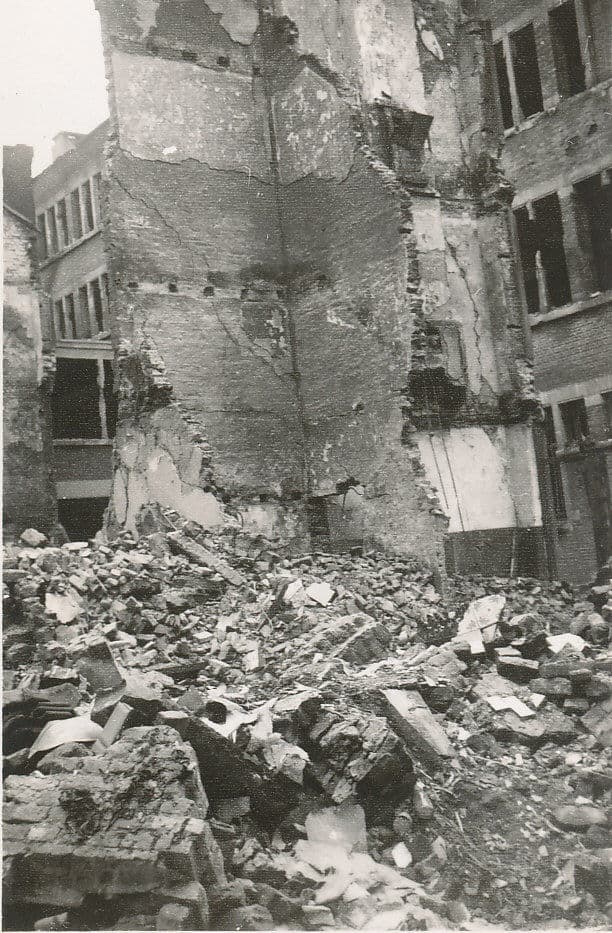
Nazi-occupied Ostend, 1942–1945
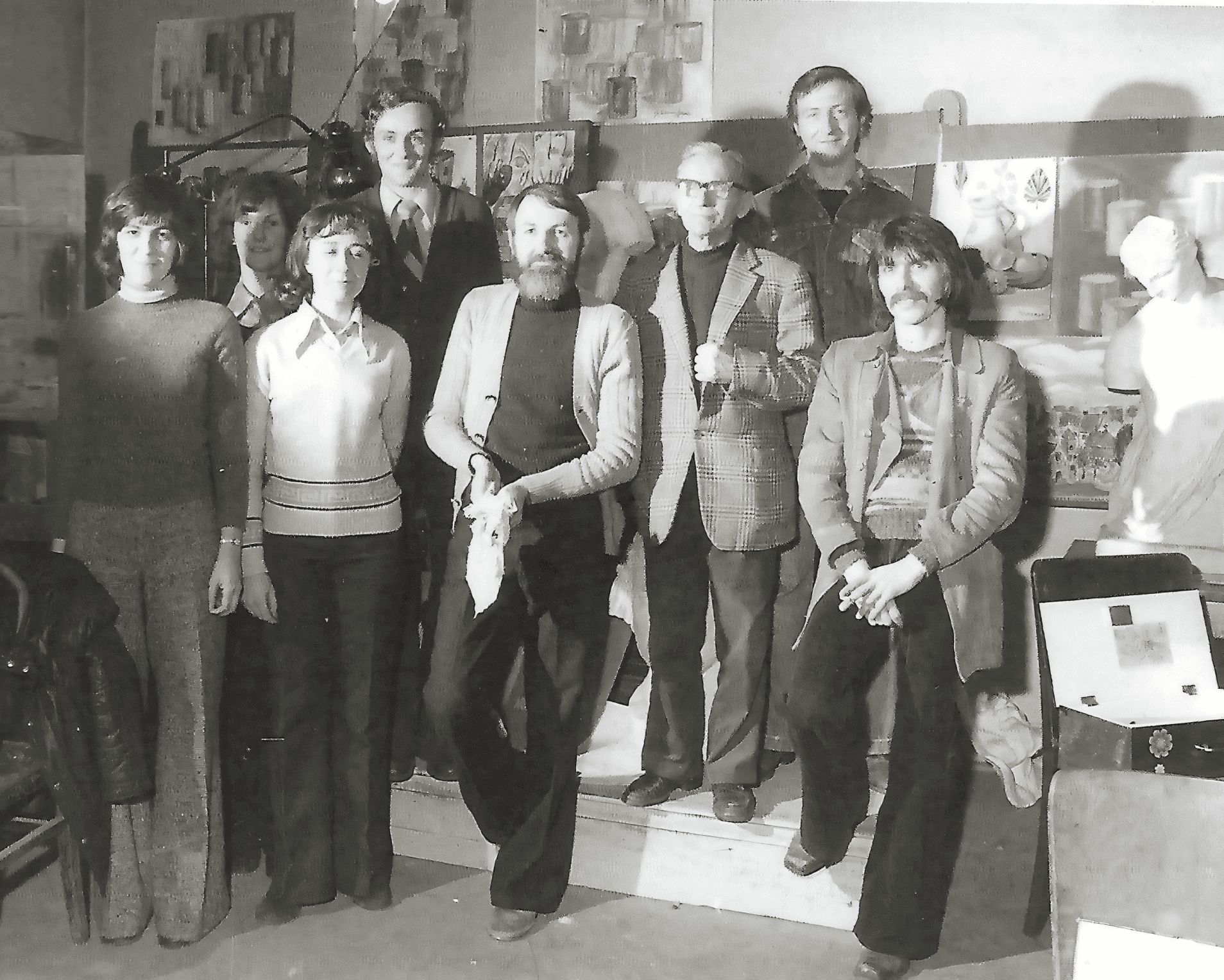
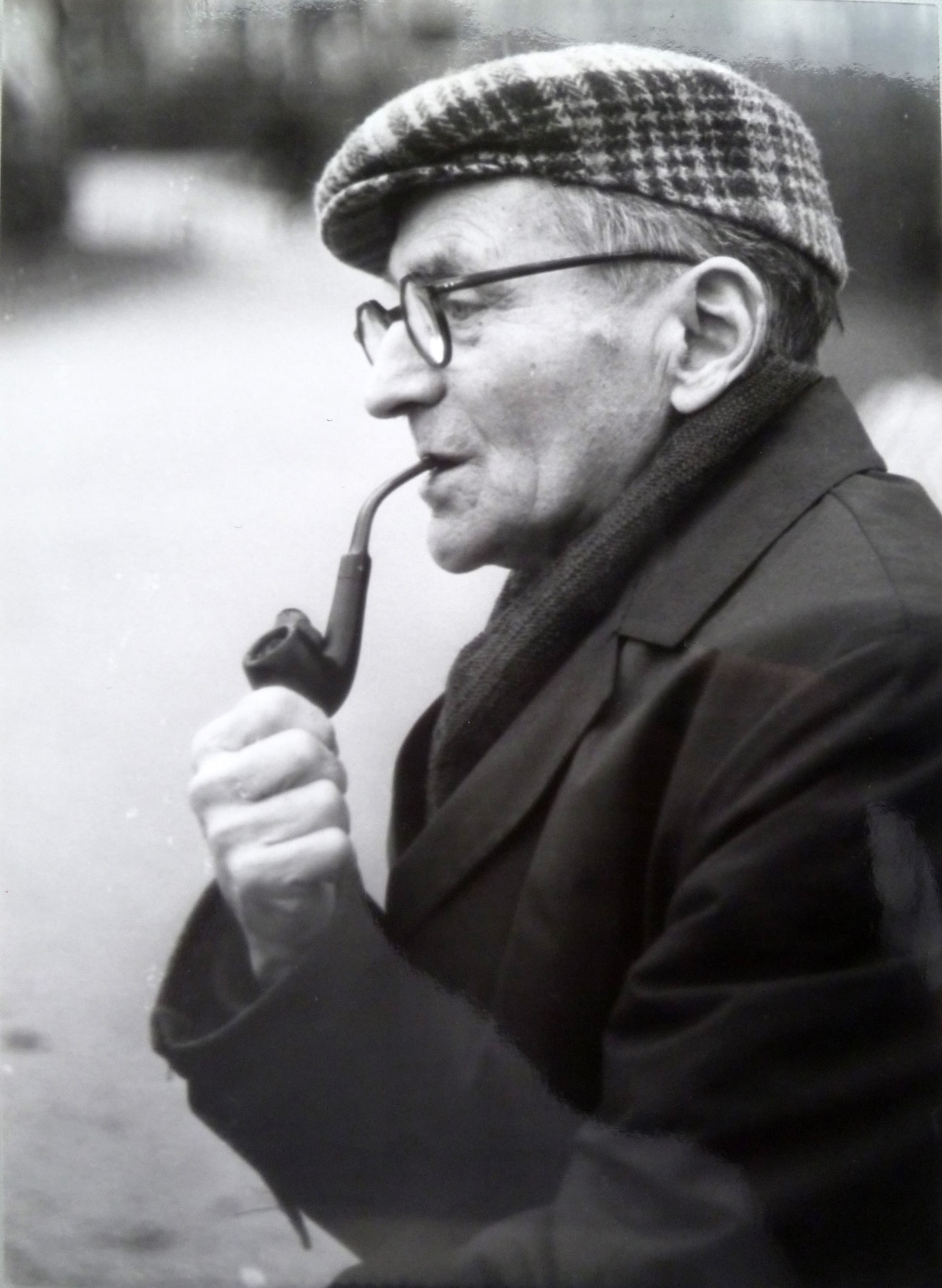
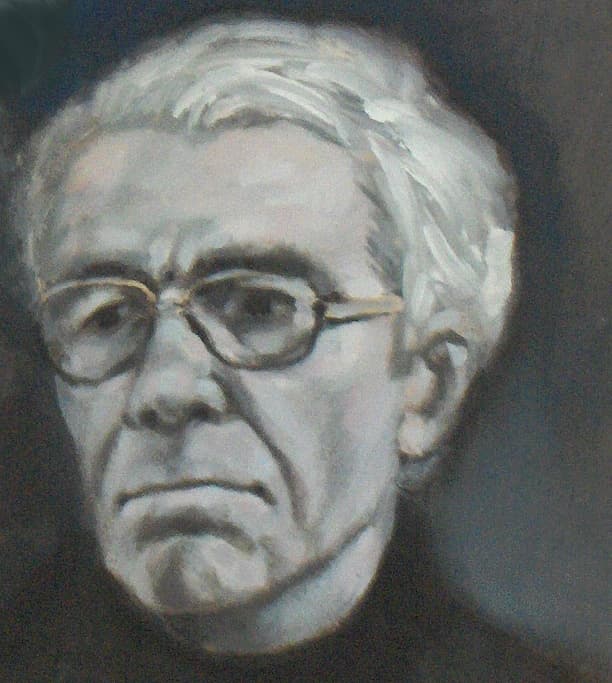
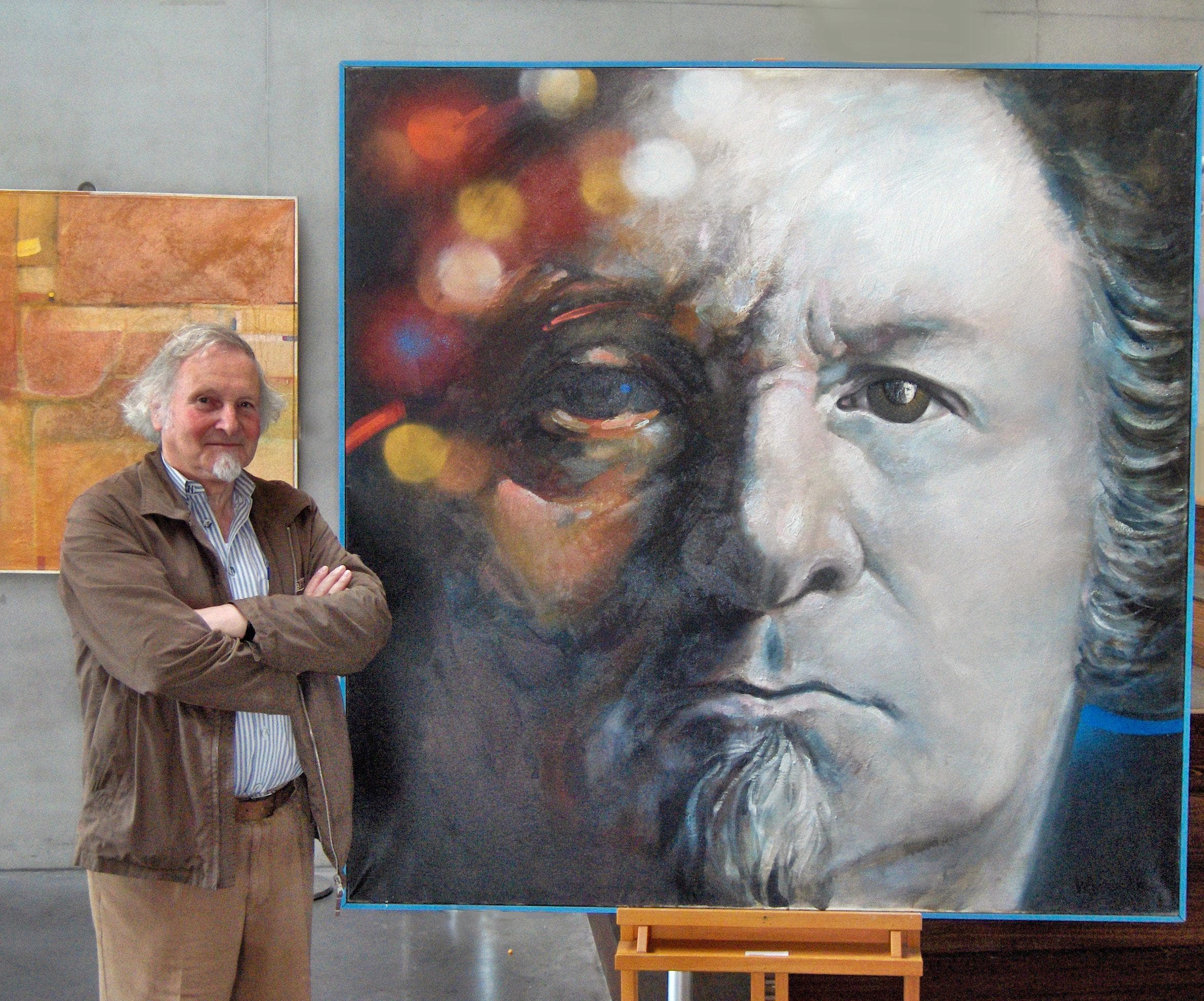
Westhoek Academy, 1958
The Making of an Artist — Training at the Ostend and Westhoek Academies of Fine Arts
In the 70s, Remaut studied at the Westhoek and Ostend academies under masters Gustaav Sorel, Maurice Boel, and Willy Bosschem. He spent four years absorbing classical techniques, then remained another four years as an informal student, deepening his philosophical approach to art.
The academy provided structure; but it was the ruins of his childhood that provided vision. Here, formal training met lived experience—technique meeting the imperatives of a generation shaped by war.
“In the shadow of the atomic bomb — ART must find a new language to speak.”
The Urban Canvas Belgian Materieschilderkunst (Material Art)
Remaut’s artistic practice is rooted in physicality and materiality. His bold abstract paintings are layered with found objects, graffiti, scrawled text, and thick textures—raw surfaces that feel weathered, emotional, and politically charged. Canvases are built like urban walls: cracked, damaged, and alive with hidden meaning.
His process is instinctive and physical. Works evolve slowly through layers of matter and paint, responding to the artist’s immediate impulses. There are no fixed narratives—just fragments, moods, and moments that ask the viewer to look again. Each piece bears the marks of time, struggle, and meditative practice.
This approach is not accident but philosophy. As Remaut himself states:
“I don’t paint to please an audience — I am the audience, relishing in my own performance.”
This declaration reveals the core of his practice: artistic authenticity demands radical independence. He paints not for external validation but for the integrity of the creative act itself—a stance born from decades of making art in response to violence, loss, and the human need for beauty.
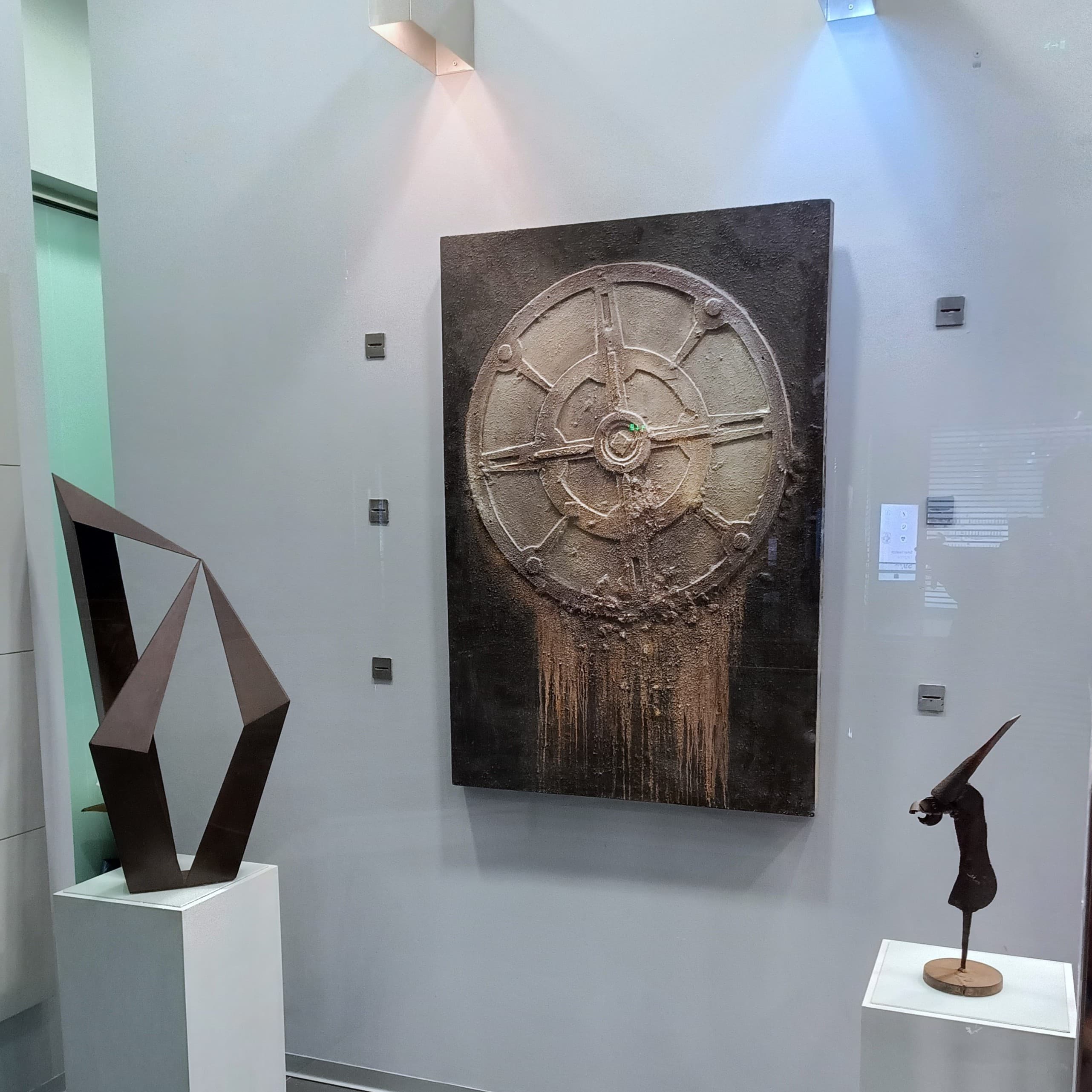
Ombre et Lumiere — Roger Remaut, flanked by sculptures by Bernard Pieters & Patrick Steen
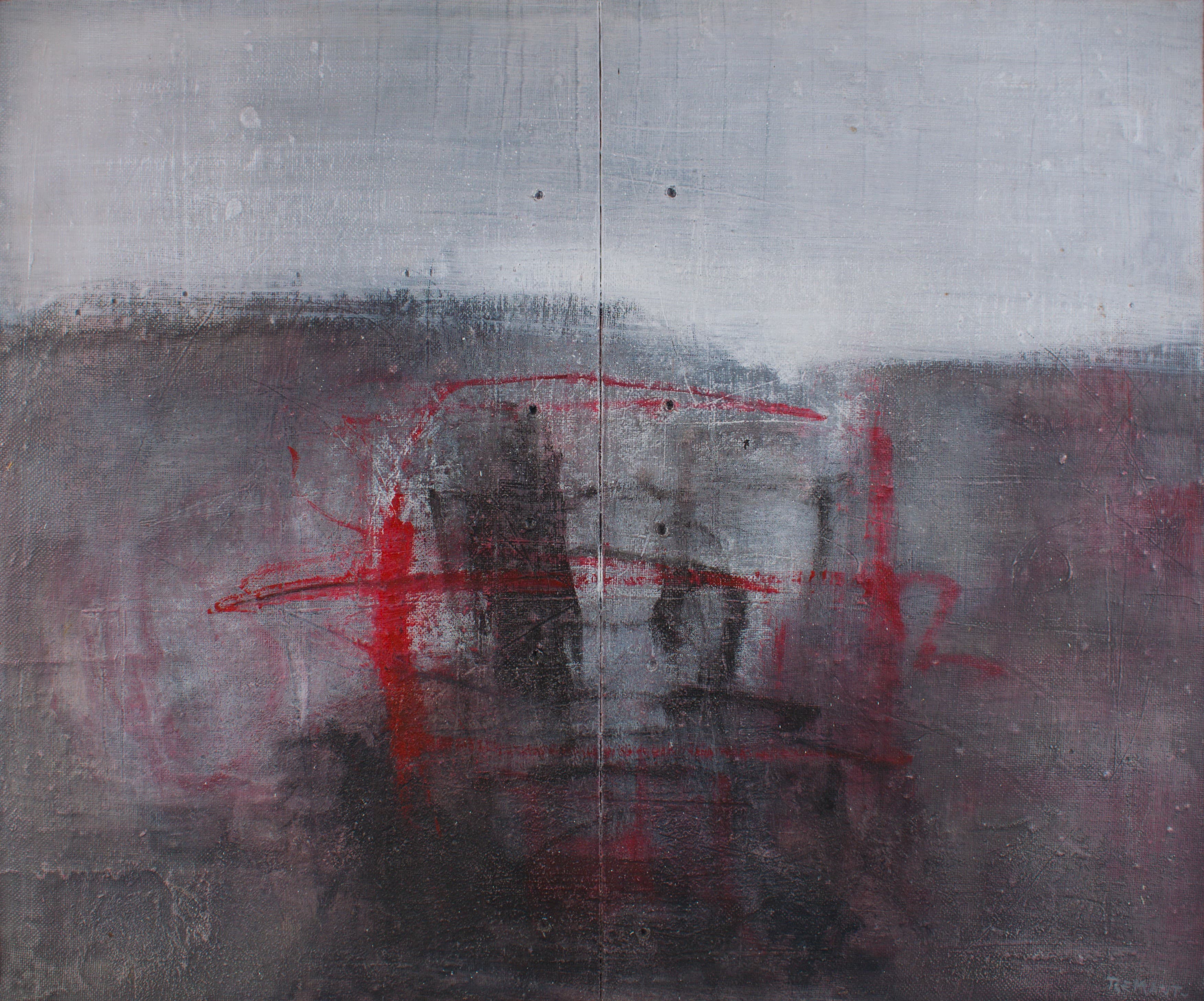
R53 2T — Roger Remaut
Into Abstraction— Belgian Painting Prizes and Galerie De Peperbusse, Ostend (1982 - 1985)
Remaut’s first exhibition in 1982 was held with his brother Pierre at Galerie De Peperbusse in Ostend. While Pierre rendered the human form, Roger shifted to an exploration of matter and abstract form.
His early palette was restrained: shades of grey and black. No color to distract, no ornament to seduce. Just form, space, texture, and the profound silence between them.
Recognition followed swiftly. Between 1982 and 1985, he was selected for several respected national painting prizes: the Prijs Schilderkunst in Harelbeke (1982) and Aarschot (1985), the Hoppeprijs in Poperinge (1983), and the Gaverprijs in Waregem (1984).
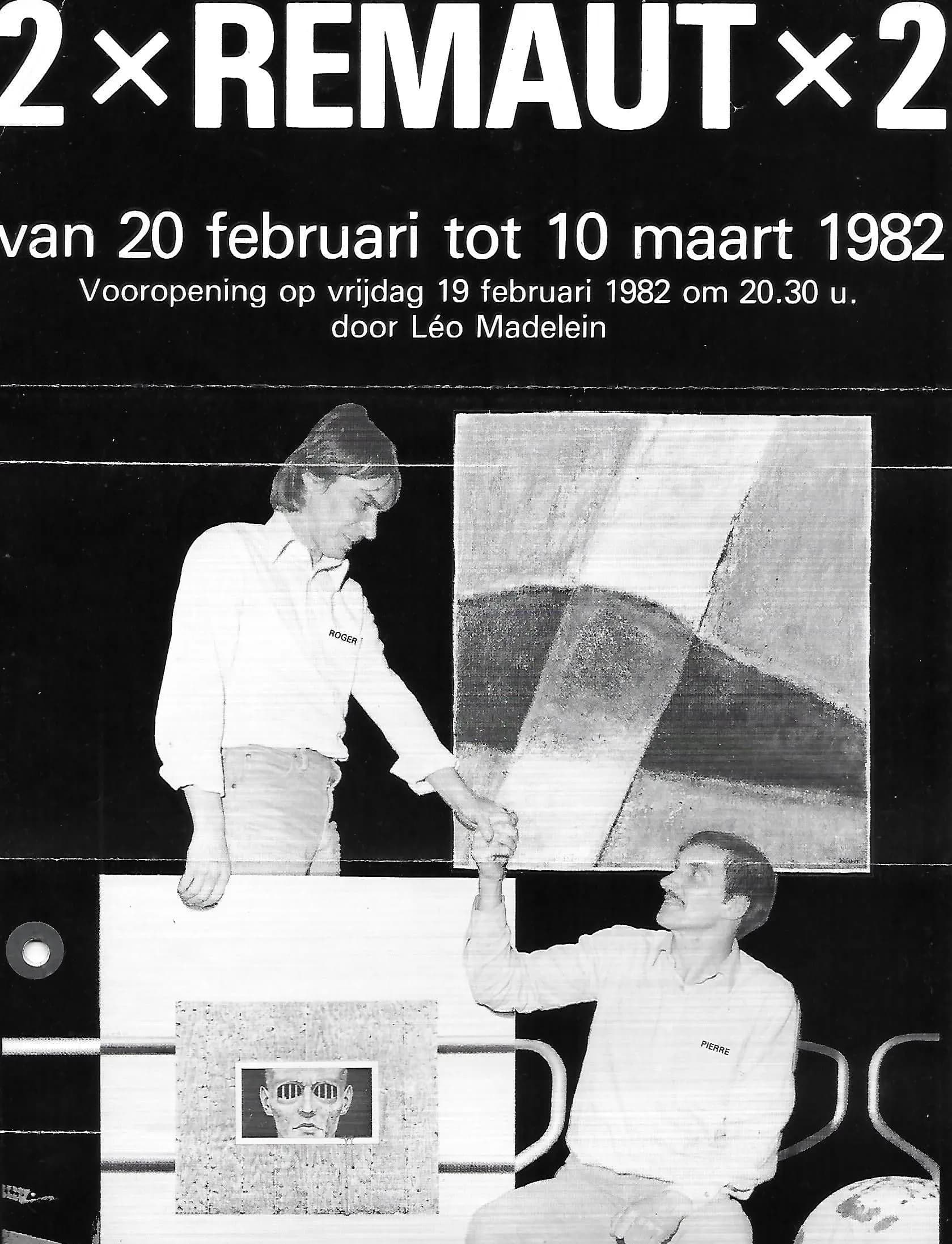
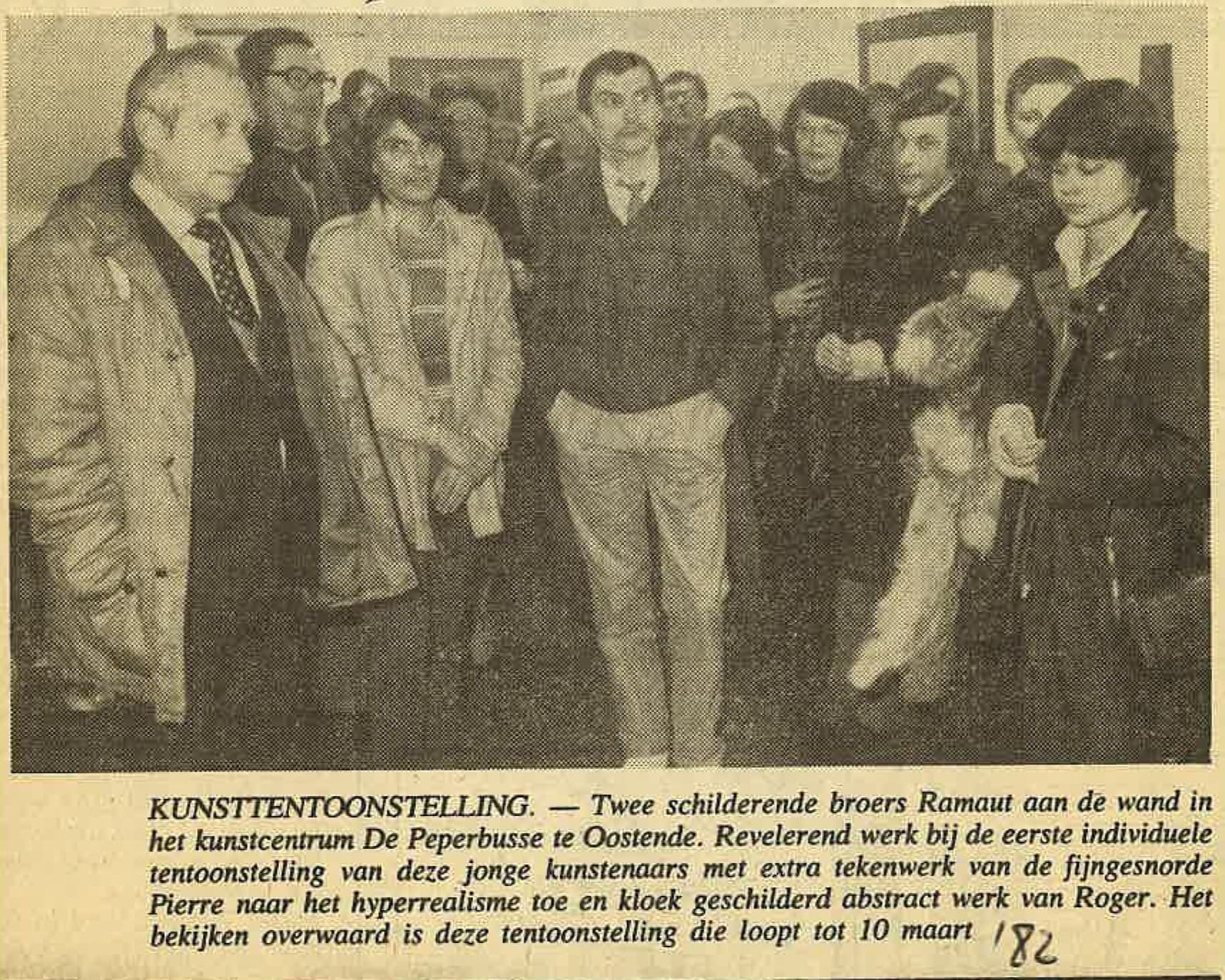
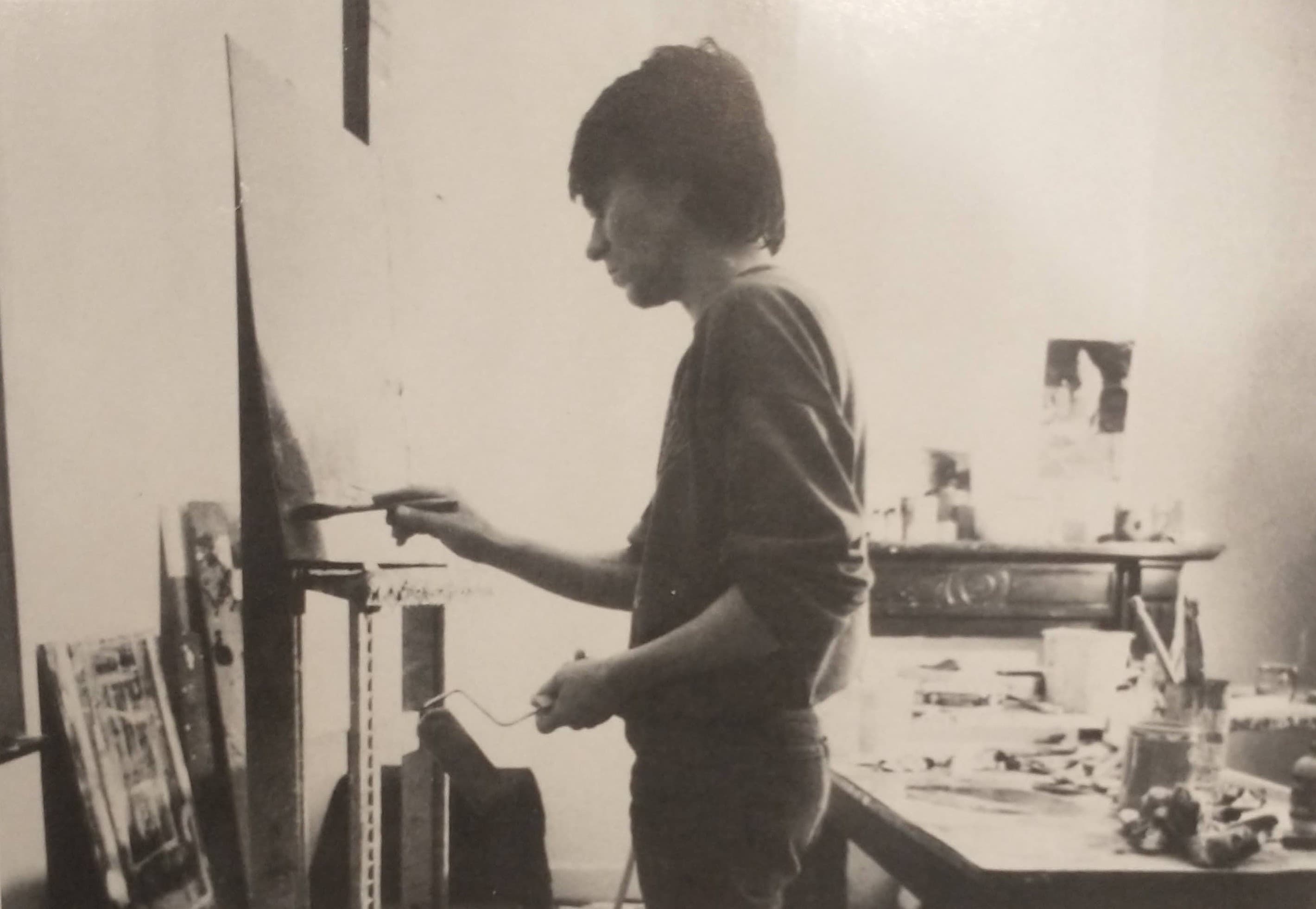
2X REMAUT, First exhibition, 1982
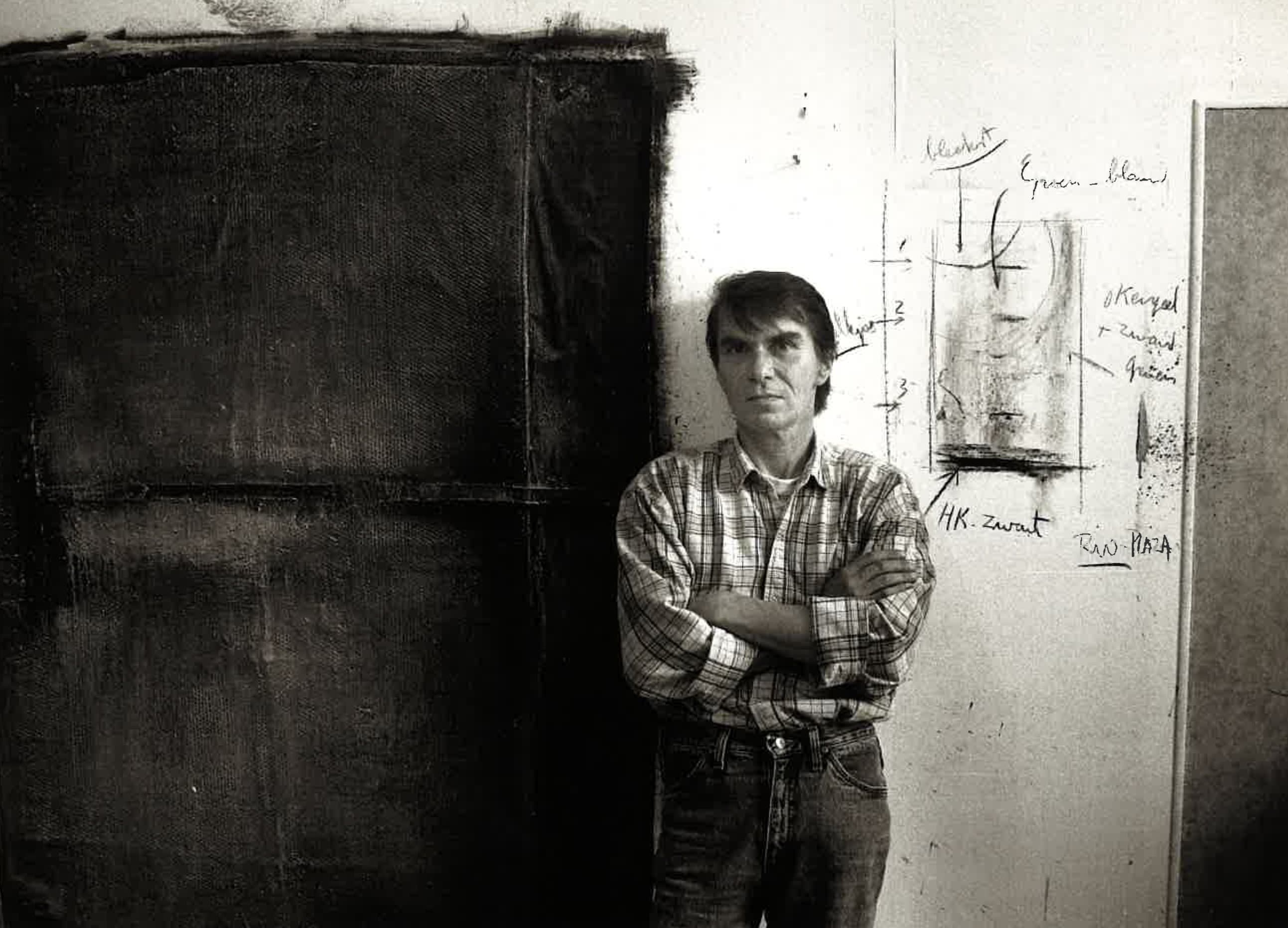
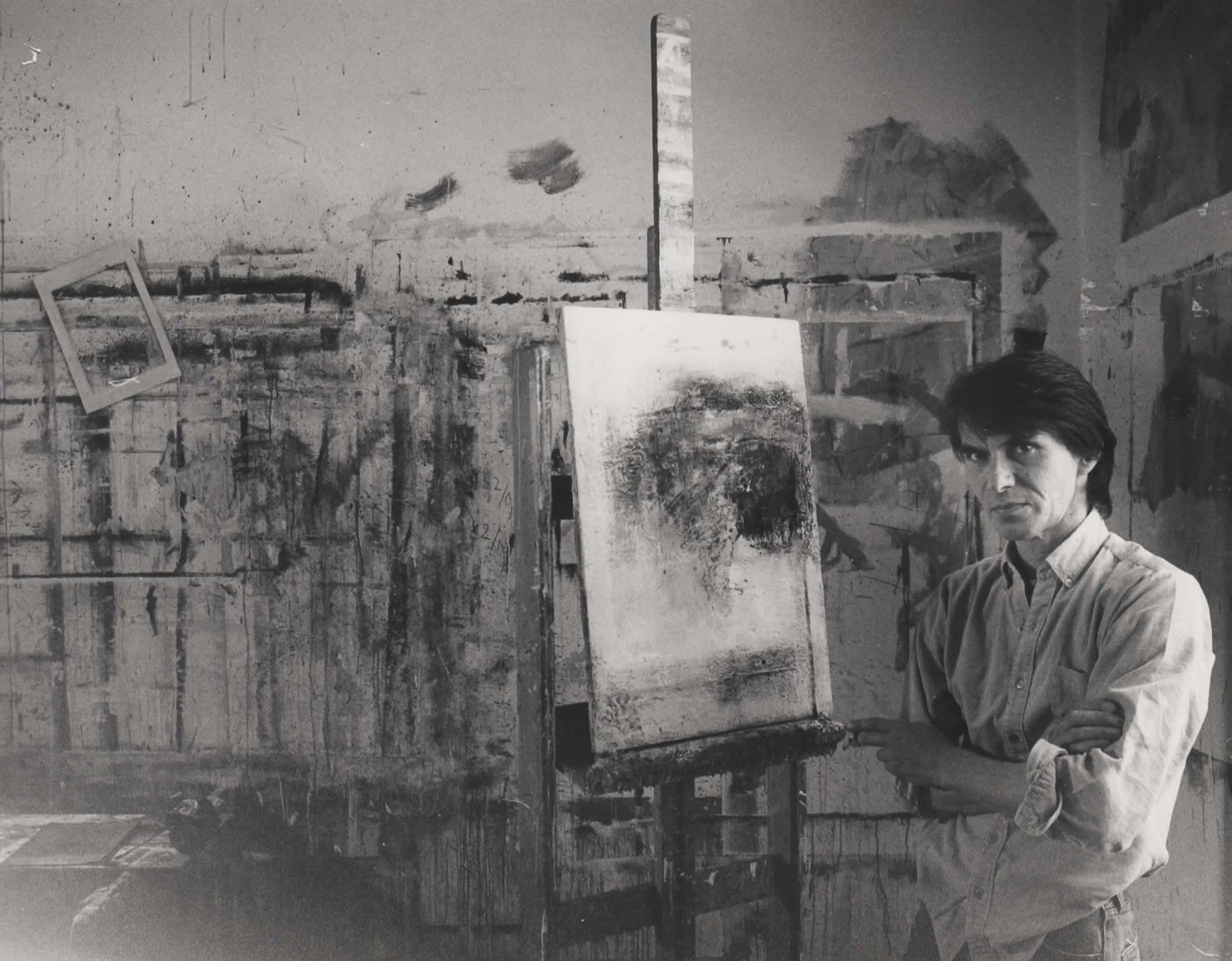
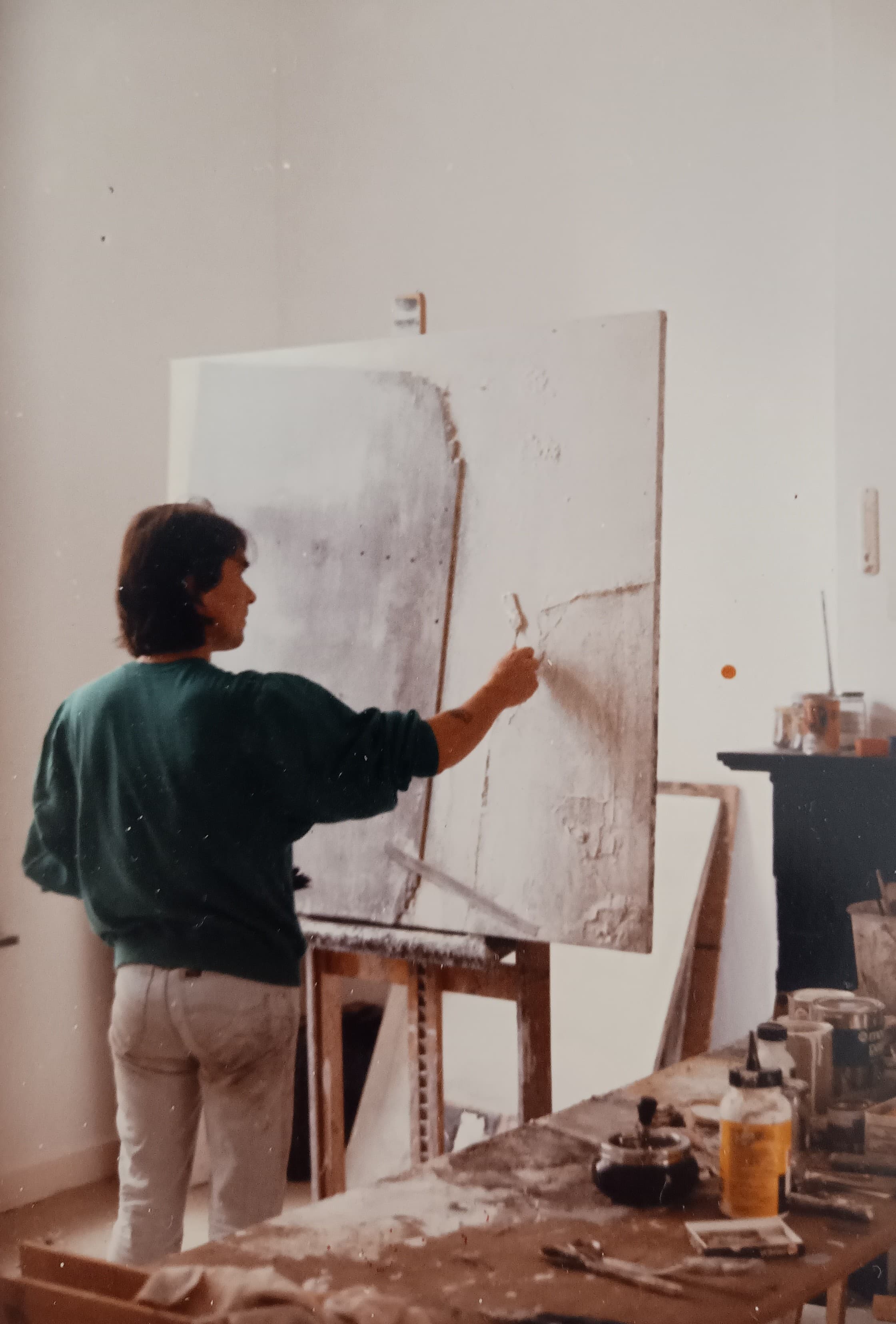
Roger Remaut in his Ostend Studio • 1980’s
Influences: A Language Forged in Dialogue— The Context of Belgian Abstract Art
Mark Rothko
From Mark Rothko, Remaut shares an understanding of painting as an emotional field. Rothko's color fields were not merely compositions, but immersive spaces of contemplation. Similarly, Remaut's surfaces—though more rugged and material—invite a slow, meditative engagement. Where Rothko dissolves form into atmosphere, Remaut anchors emotion in matter.
Antoni Tàpies
The influence of Antoni Tàpies is more tactile and immediate. Like Tàpies, Remaut treats the canvas as an object rather than a window. Thick textures, found materials, and scarred surfaces transform painting into something physical and almost archaeological. Both artists elevate the worn, the damaged, and the overlooked into sites of meaning.
Jean-Michel Basquiat
In the raw energy of Jean-Michel Basquiat, one finds a parallel to Remaut's use of text, symbols, and instinctive mark-making. While Basquiat's work is rooted in urban culture and identity, the shared impulse lies in immediacy—the refusal to sanitize expression. Remaut's surfaces, like Basquiat's, feel lived-in, marked by time, gesture, and urgency.
Marcel Duchamp
The philosophical underpinning of Remaut's practice finds kinship with Marcel Duchamp. Duchamp challenged the very definition of art, shifting emphasis from aesthetic beauty to intellectual intent. Remaut extends this legacy—not by abandoning painting, but by redefining its purpose. His work is not created to please, but to exist as an act of thought, resistance, and self-determined meaning.
The Flemish Gallery Circuit — Roger Remaut exhibiting across Ostend, Gent, Mechelen and Kortrijk
Throughout the 1980s, Remaut maintained an active solo exhibition programme across Belgium—Ostend, Gent, Mechelen, Kortrijk. He exhibited at influential Flemish galleries such as Galerie De Peperbusse, Galerie Dialoog, and Galerie Tres, spaces known for their engagement with progressive contemporary practices.
Each exhibition built upon the last, establishing Remaut as a consistent and evolving voice within the Belgian abstract movement. Gallery directors and collectors took notice—his restrained palette and textured surfaces spoke to something deeper than decorative abstraction.
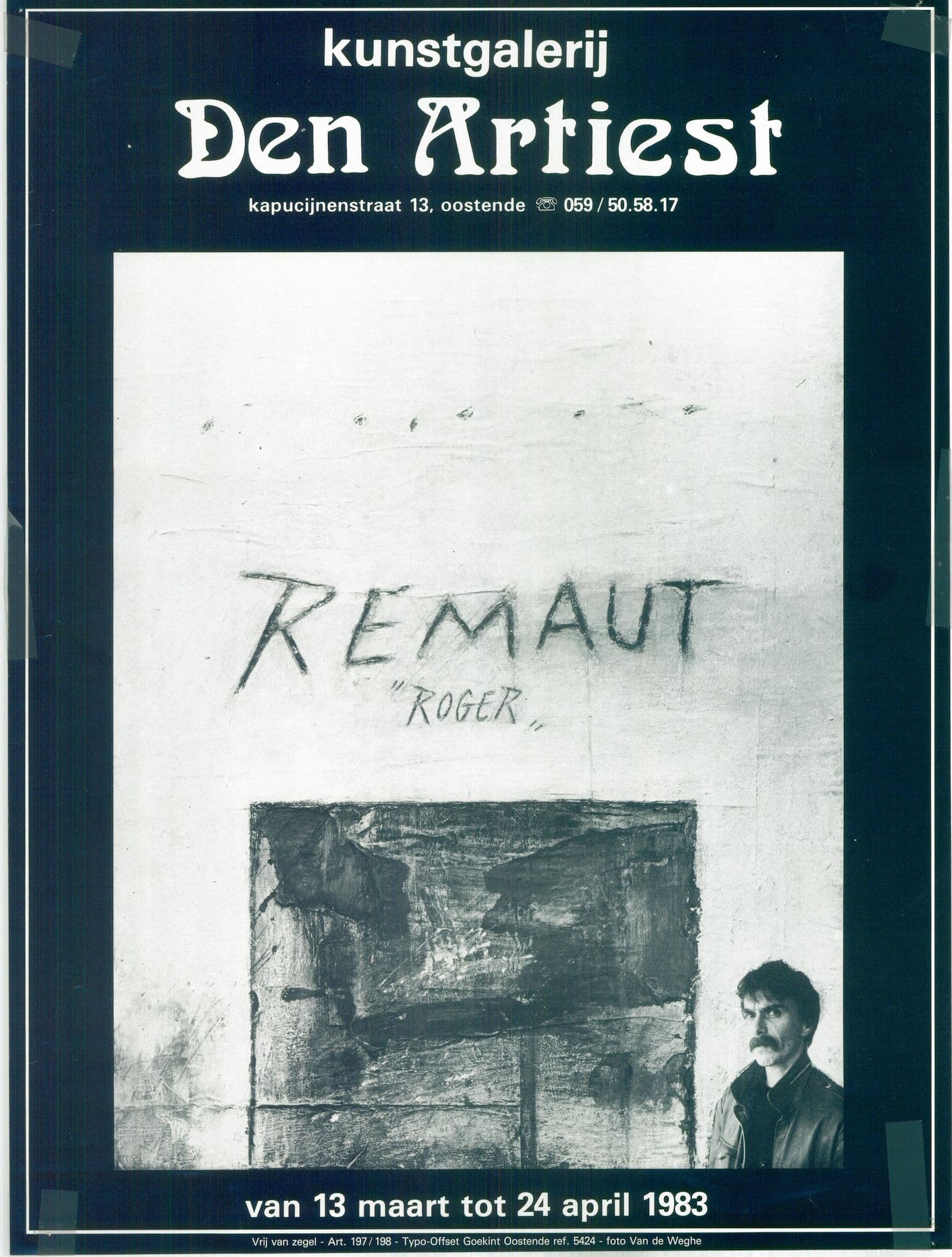
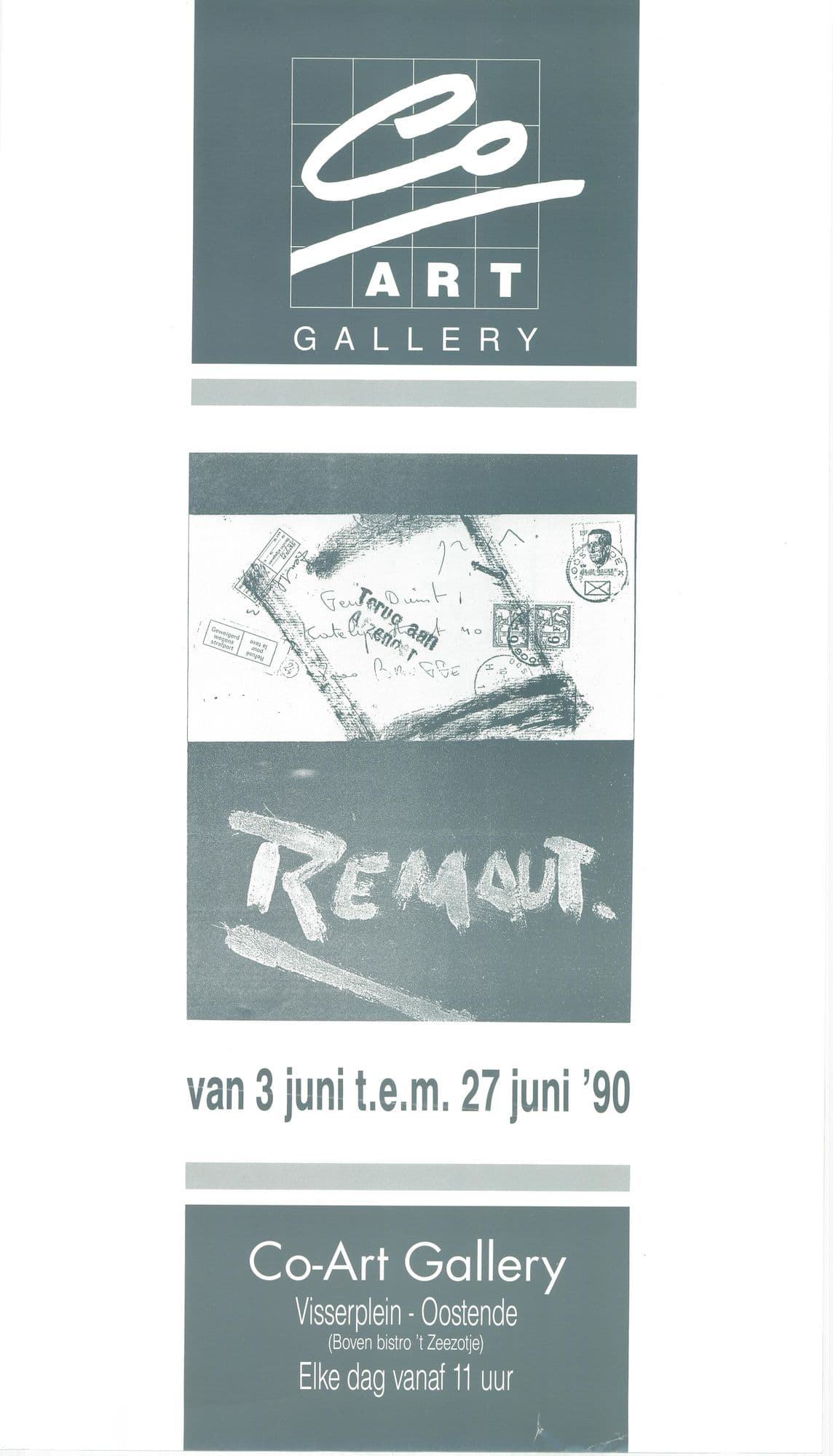
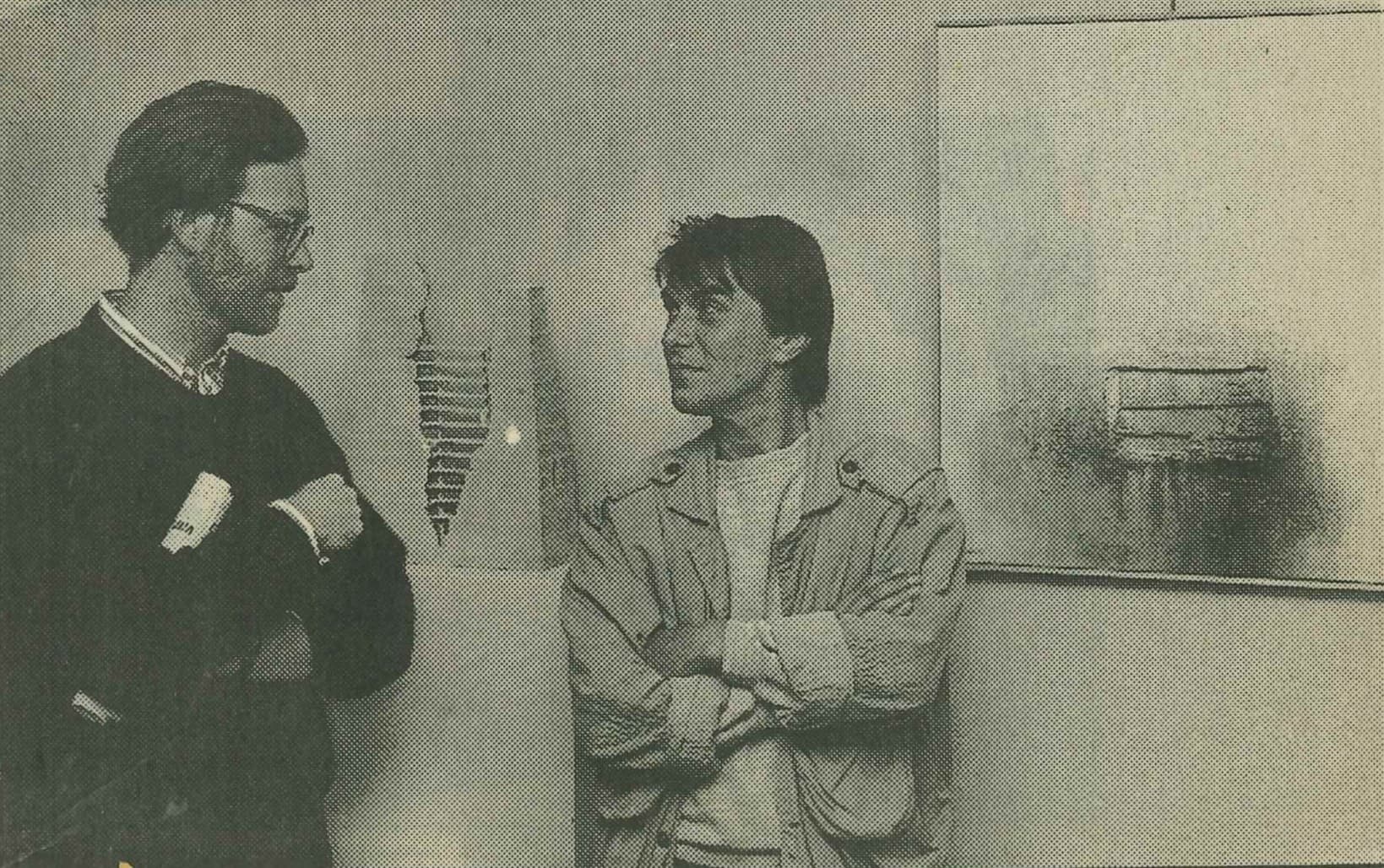
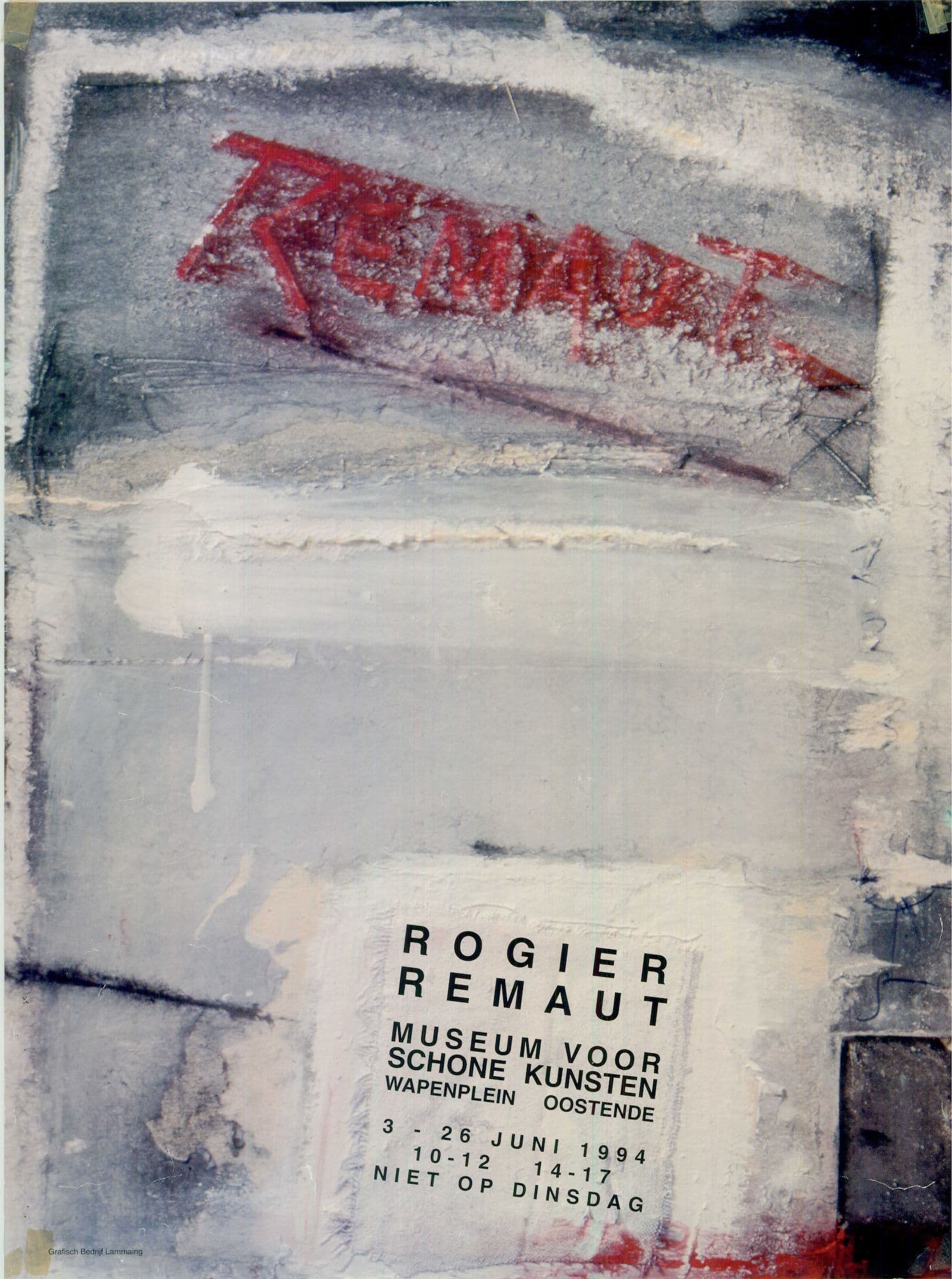
Gallery Den Artiest, Ostend, 1983
Institutional Recognition— Roger Remaut in the Mu.ZEE Ostend and Belgian State Collections
By 1986, Remaut's work had entered significant public and private collections across Europe. That year, during the live painting event Tubernetica, his work was acquired by the Belgian government and hung in the office of the Minister of the Interior—an official seal of recognition.
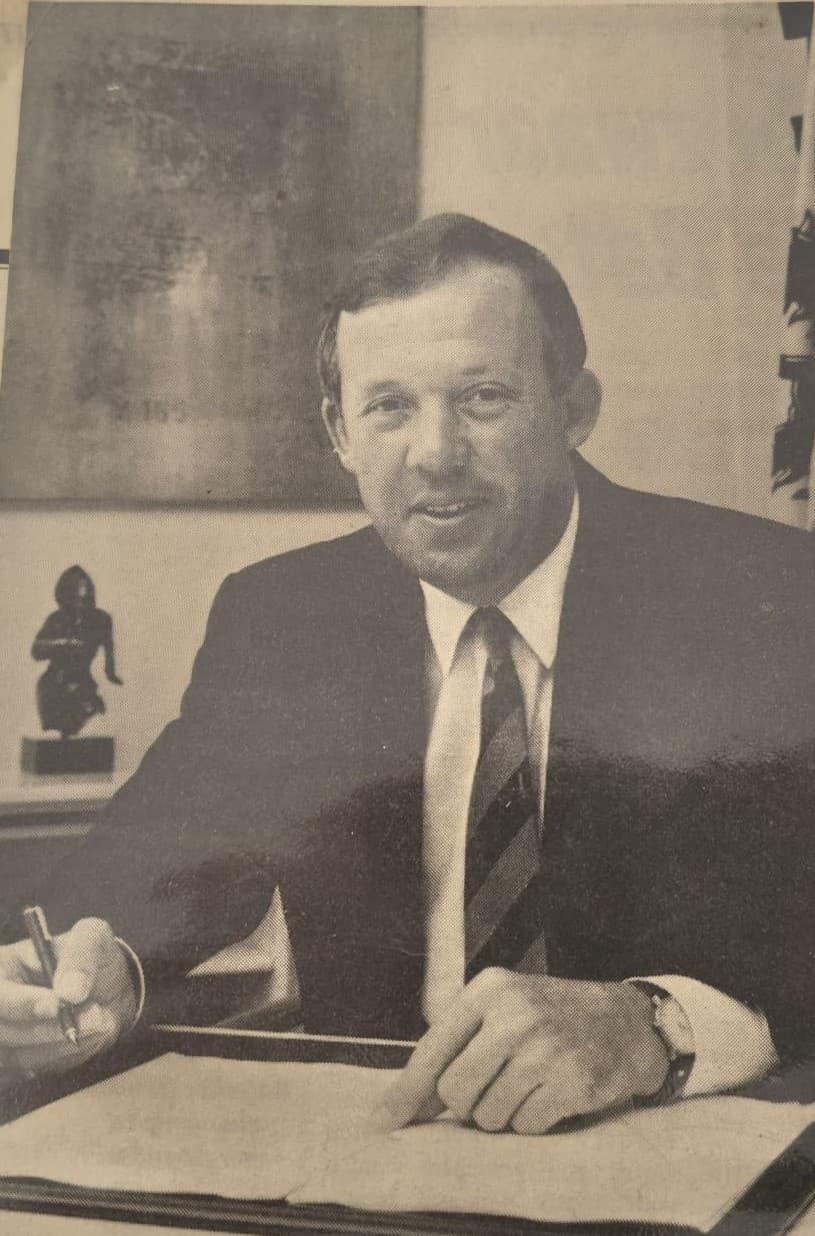
Jewish Pride — Office of the Minister for Internal Affairs, Belgian Government Collection
In 1990, the Museum of Fine Arts, Ostend (Mu.ZEE) acquired three of Remaut's works for its permanent collection, marking a pivotal moment in his career. Subsequent recognition includes acquisition by the Flemish Provincial Government (1996) and display in the Office of Inge Vervotte, Flemish Minister of Health (2004).
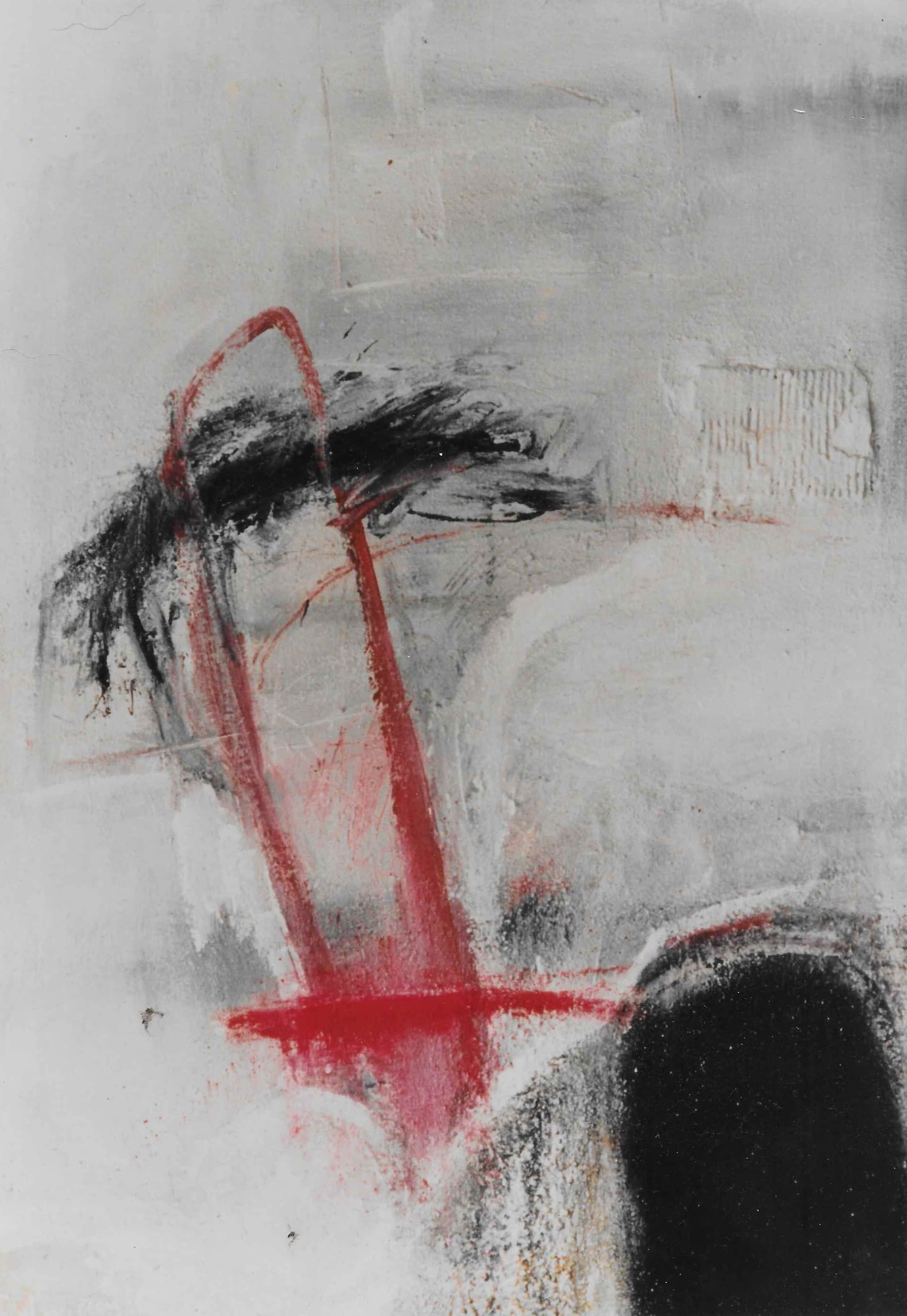
Untitled — Mu.ZEE (Museum of Fine Arts, Ostend)
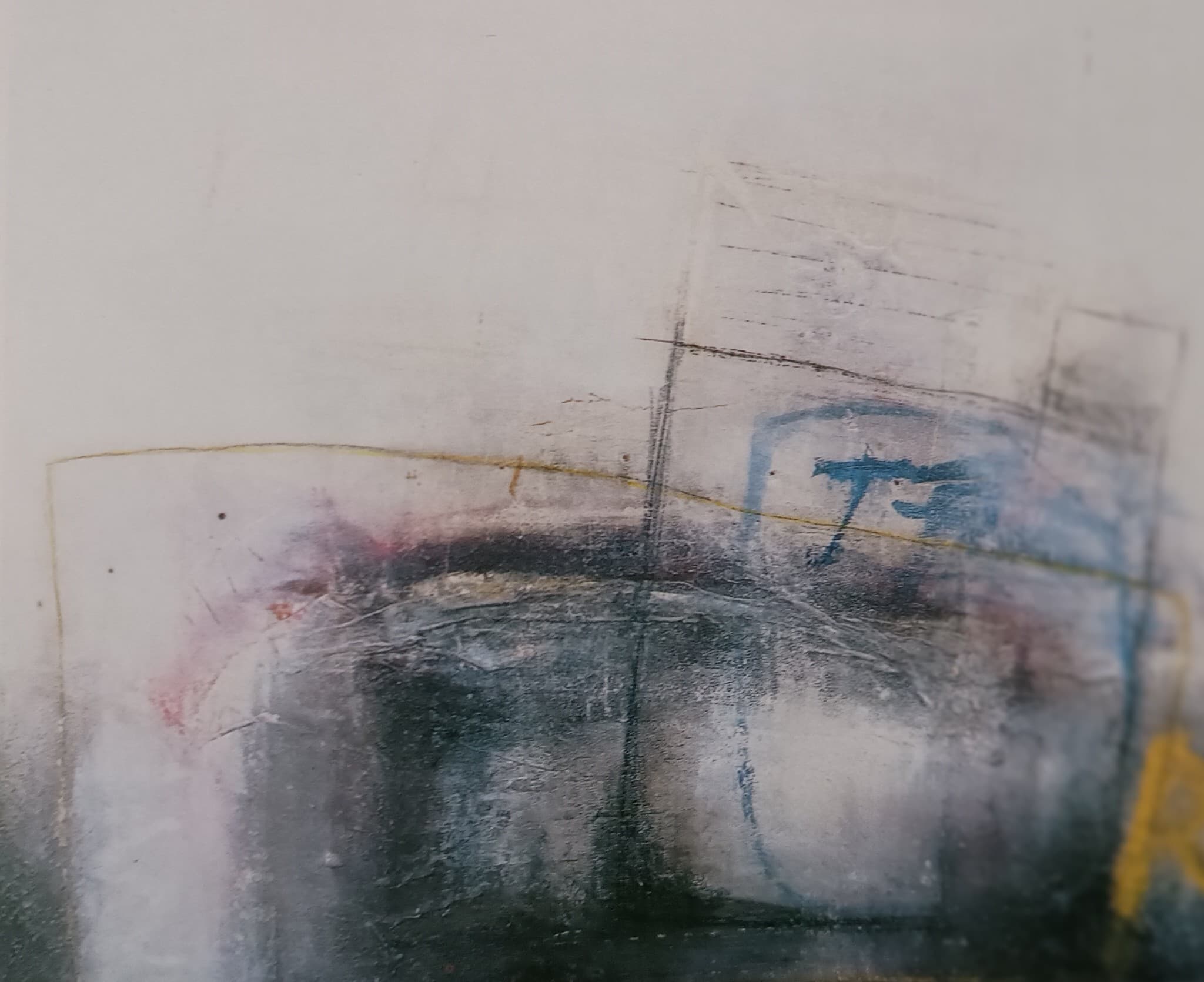
Ask my Daughter — Mu.ZEE (Museum of Fine Arts, Ostend)
In 1994, Remaut held a major solo exhibition at the Museum of Fine Arts in Ostend, and one year later, in 1995, he exhibited alongside Belgian masters James Ensor, Constant Permeke, and Leon Spilliaert at the prestigious “Artists from the Coast” exhibition at Group 2 Gallery in Brussels.
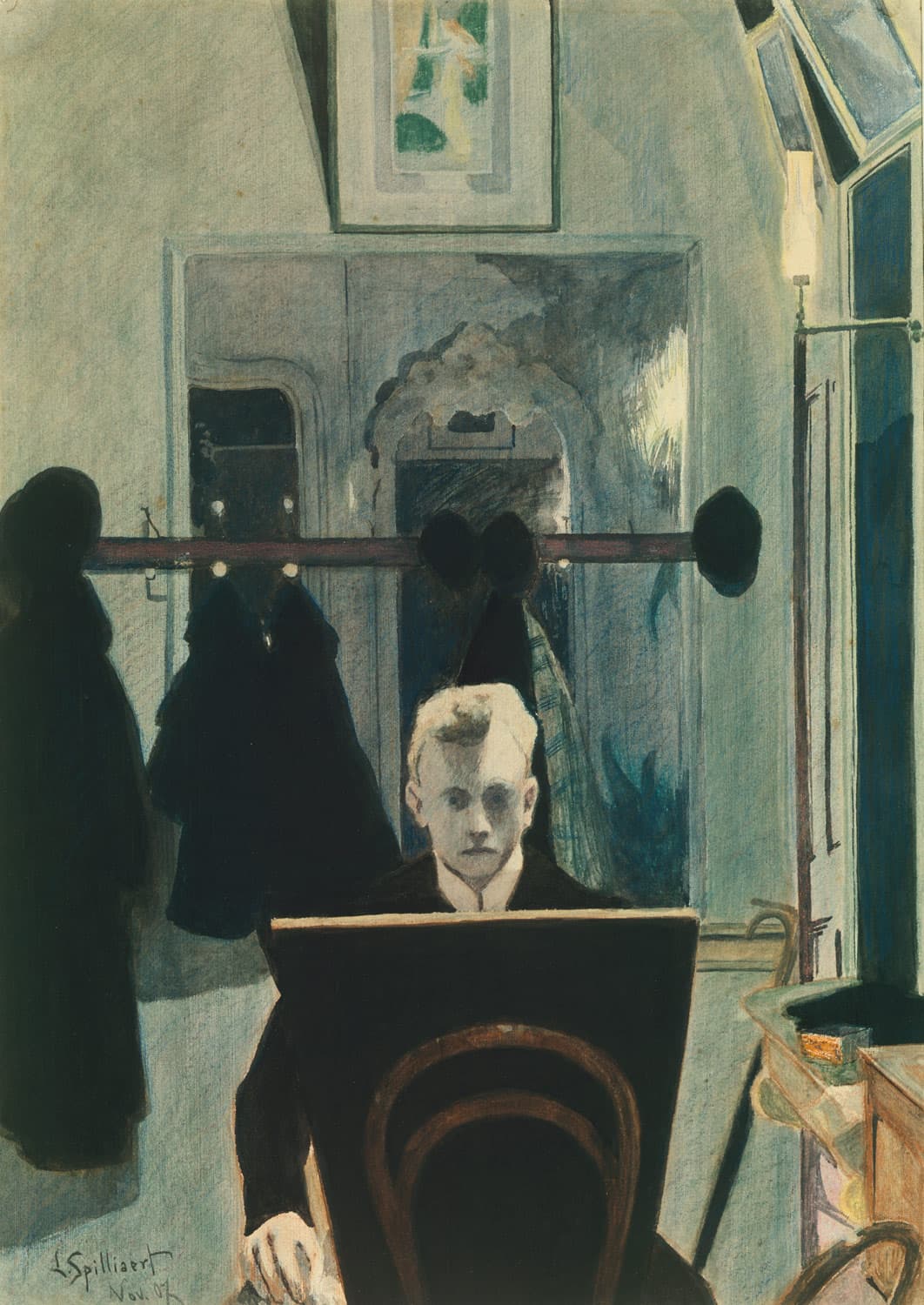
Leon Spilliaert
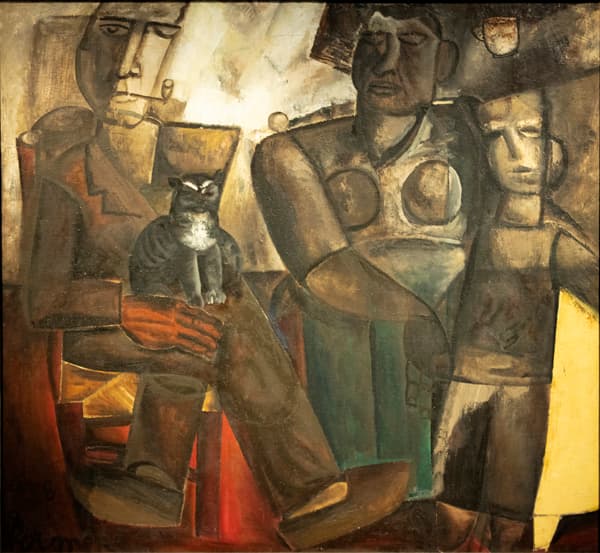
Constant Permeke
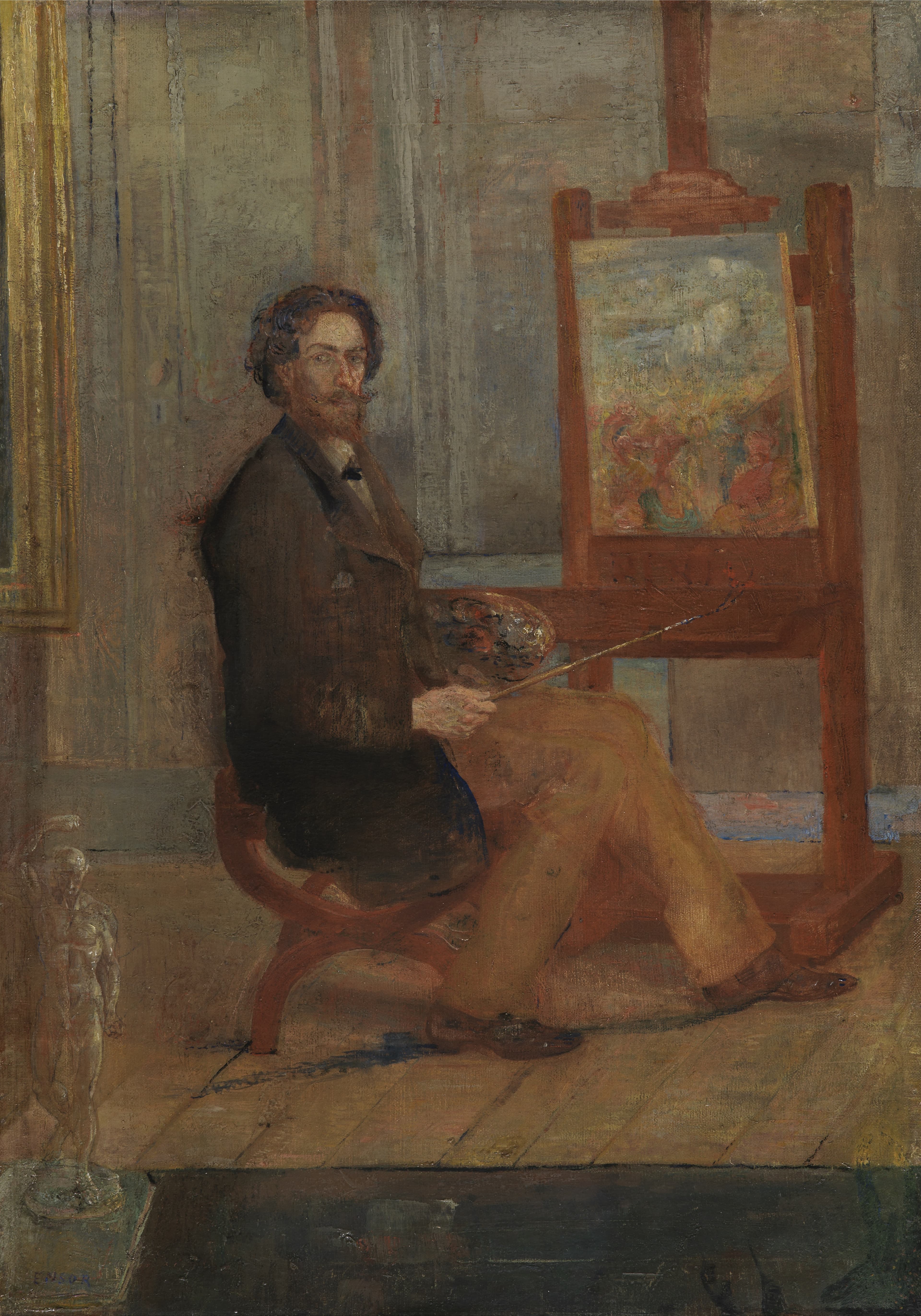
James Ensor
His work garnered sustained critical attention throughout this period. Exhibitions were featured on BRT2 and TV Focus, contributing to his public visibility in Belgium. Scholarly engagement followed with inclusion in key reference publications by Norbert Hostyn, former curator of the Museum of Fine Arts Ostend. International coverage appeared in Art Bulletin Magazine (Ireland, 1994) and Gallery 24 (Berlin, 2005).
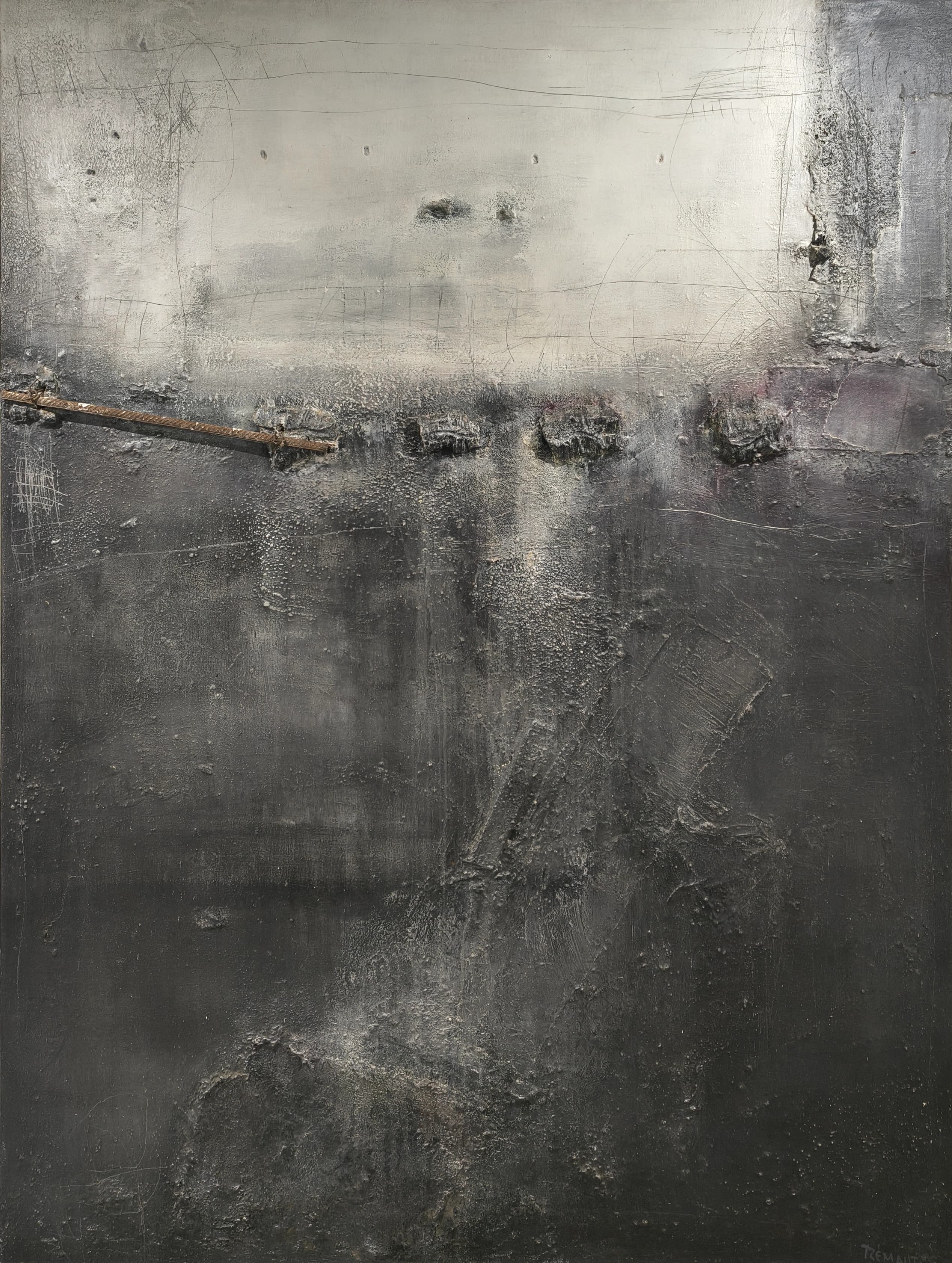
Acrylage Noir — Exhibited in his solo exhibition at Mu.ZEE, Museum of Fine Arts, Ostend.
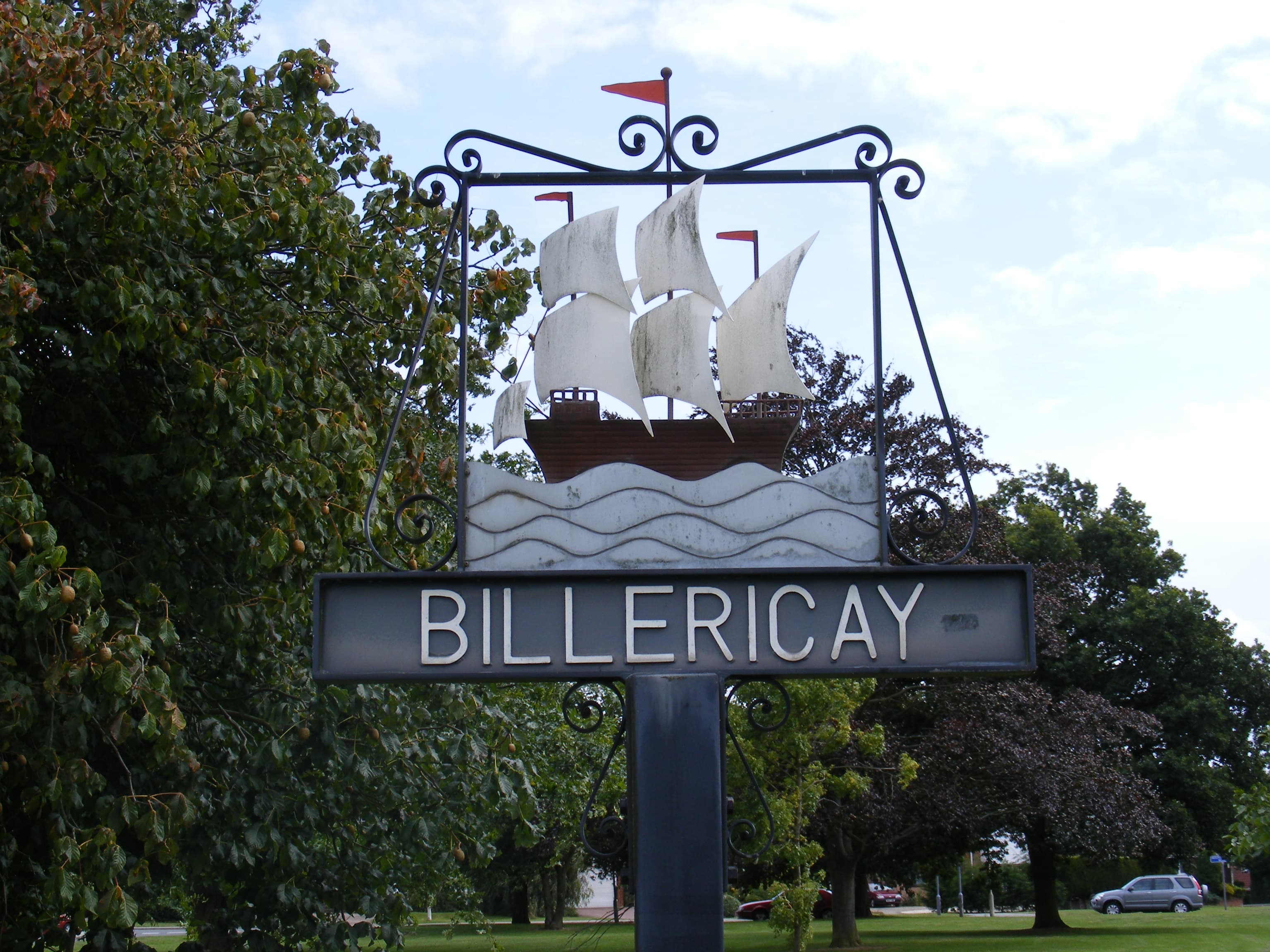
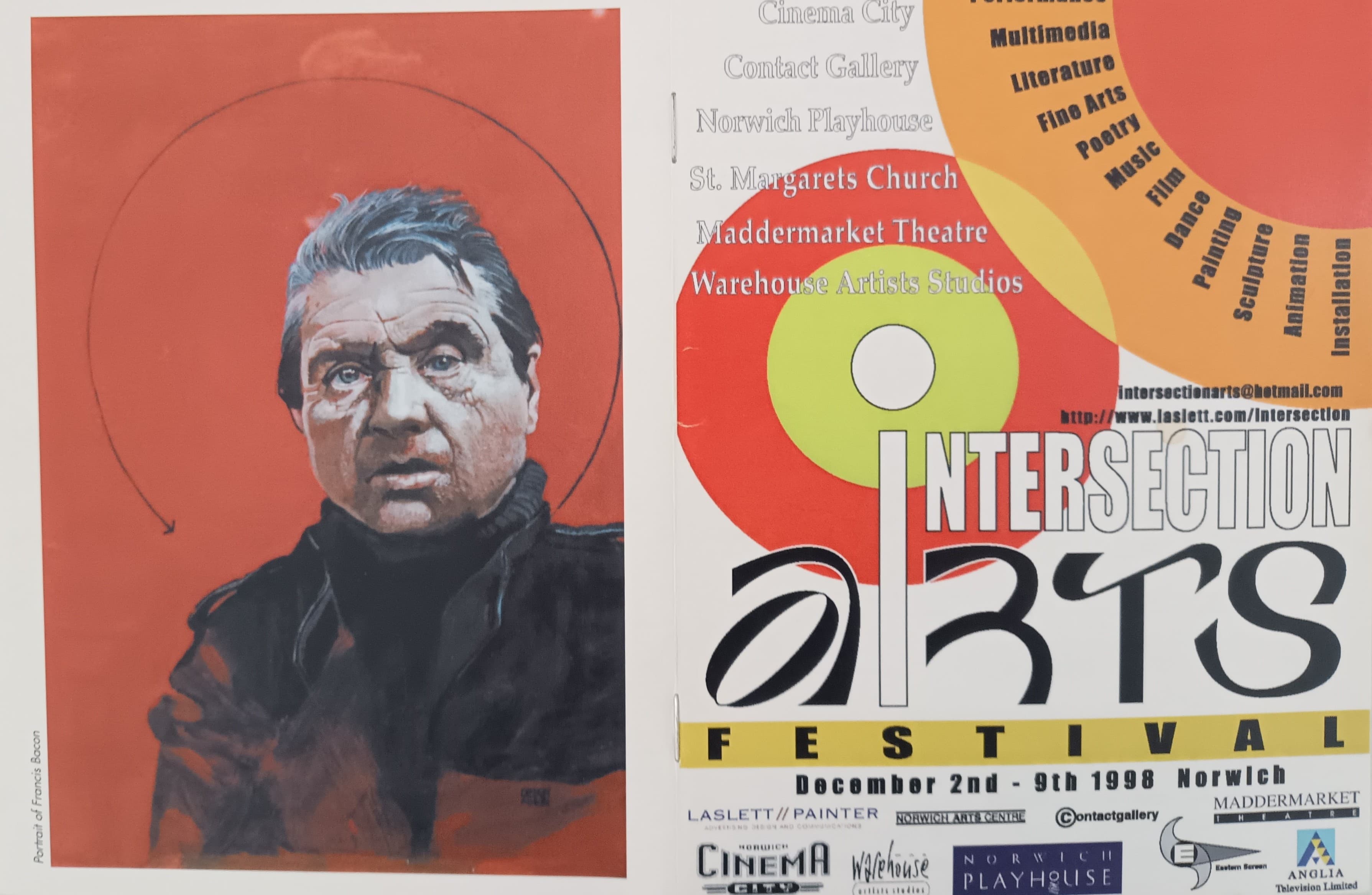
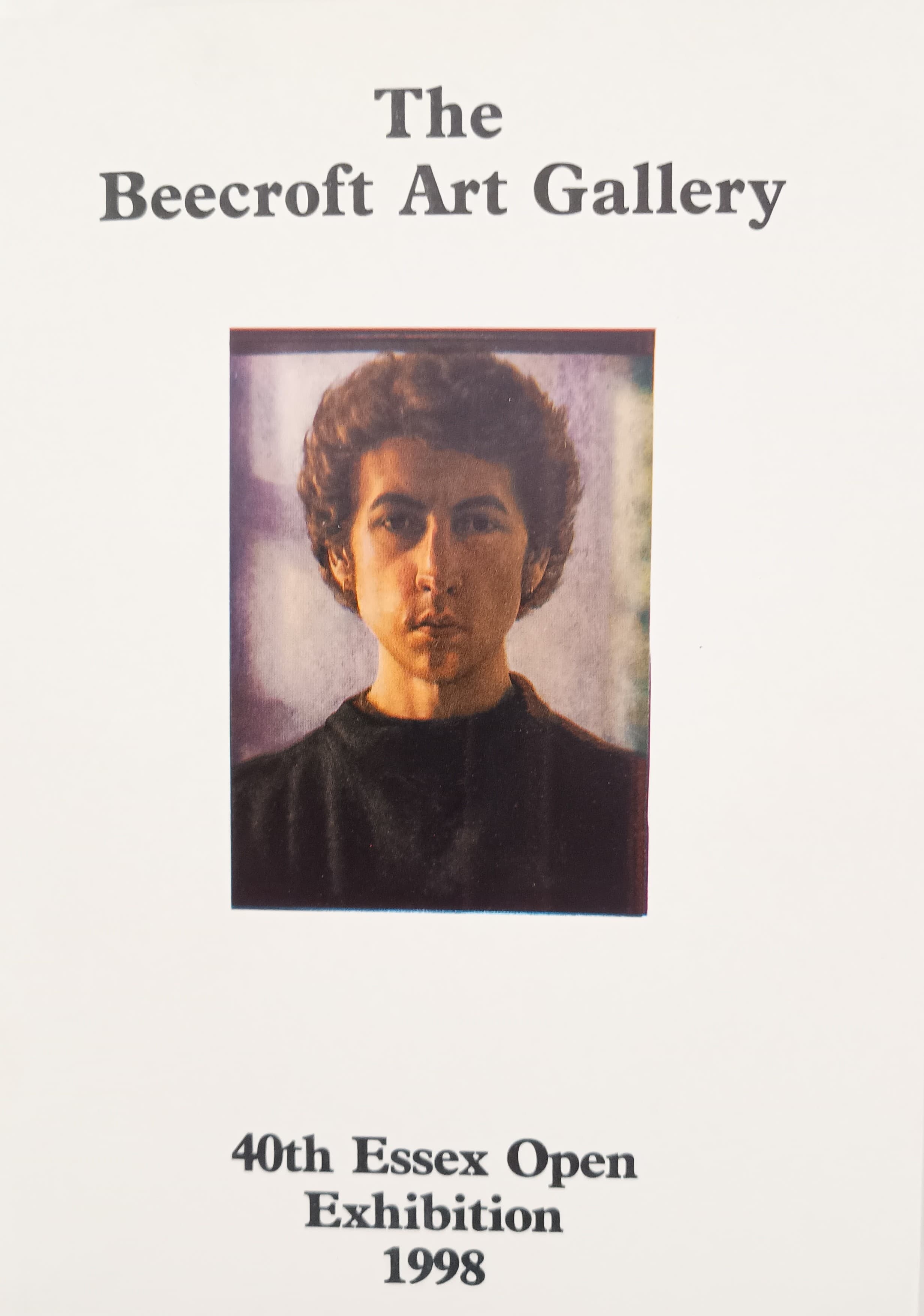
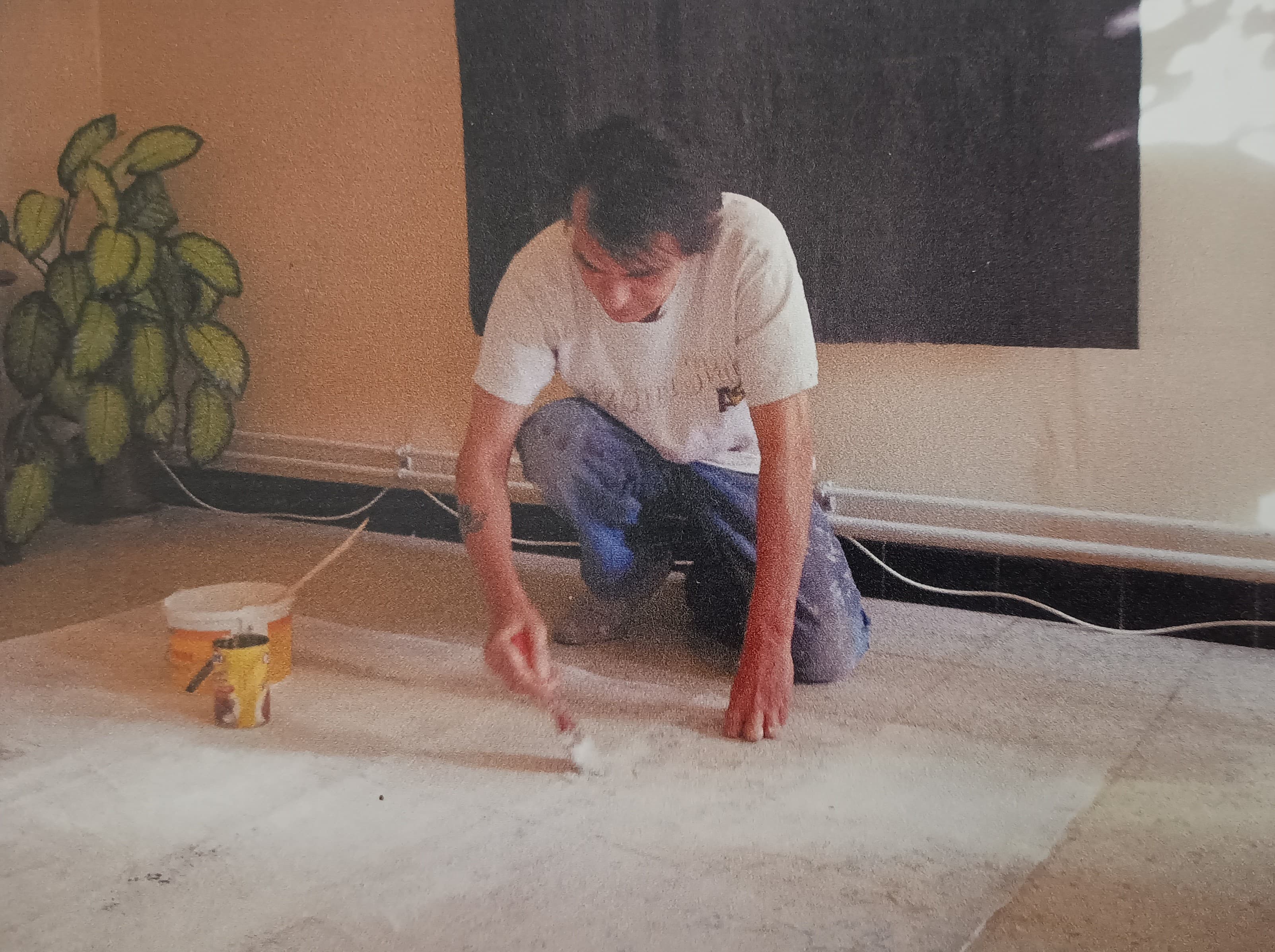
Billericay Town
New Horizons — International Exhibitions in London, Amsterdam and Norwich
In 1997, Remaut relocated to Billericay, England for three years, initiating a period of increased international engagement. His work appeared in galleries and cultural venues across London, Ipswich, Norwich, and Luton—including presentations at the Beecroft Art Gallery and Chambers Gallery.
Between 1998 and 1999, exhibitions followed in Amsterdam, Quimper, and various English venues. His participation in interdisciplinary events such as the Norwich Film & Multimedia Festival and the BP Arts Festival reflected a flexibility of medium and context. Throughout this period, exhibitions in Belgium, Germany, and France continued unabated.
Return to Belgium — Roger Remaut settles in the Westhoek, West Flanders
In 2000, Roger returned to Belgium, settling in the Westhoek village of Pollinkhove. There, in a new studio, his practice deepened and evolved. Notable exhibitions followed: the Watou Arts Festival (2000), presentations at Cultural Centre De Branding in Middelkerke (2007), and the International Assemblage Exhibition in Berlin (2005).
Over two decades, solo exhibitions in Gistel, Ostend, Bredene, and Kortrijk at venues including Square 42 Gallery and Galerie de Feniks cemented his status as one of Belgium’s most significant abstract artists. His career now encompassed 36 solo exhibitions and 42 group exhibitions across Europe.
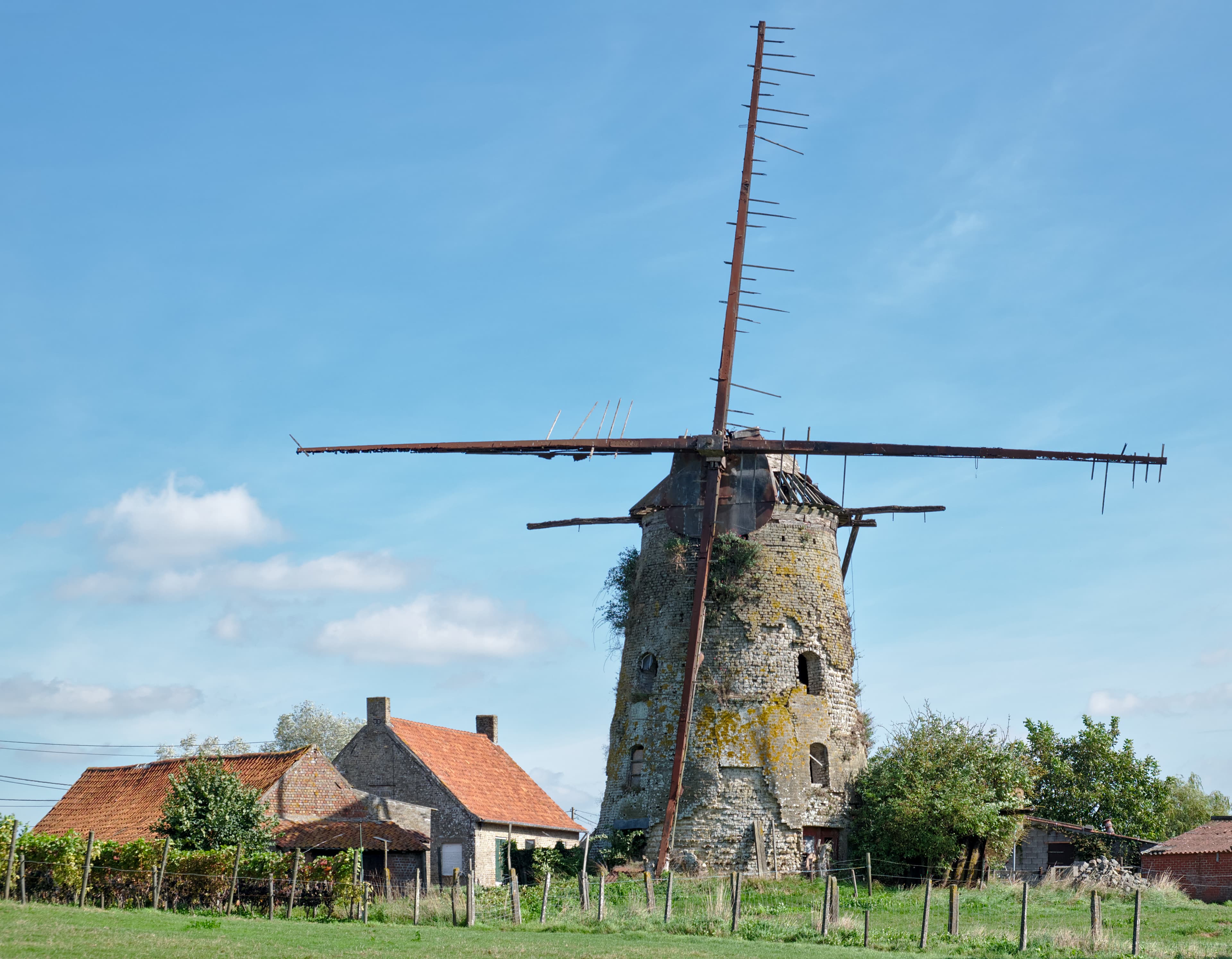
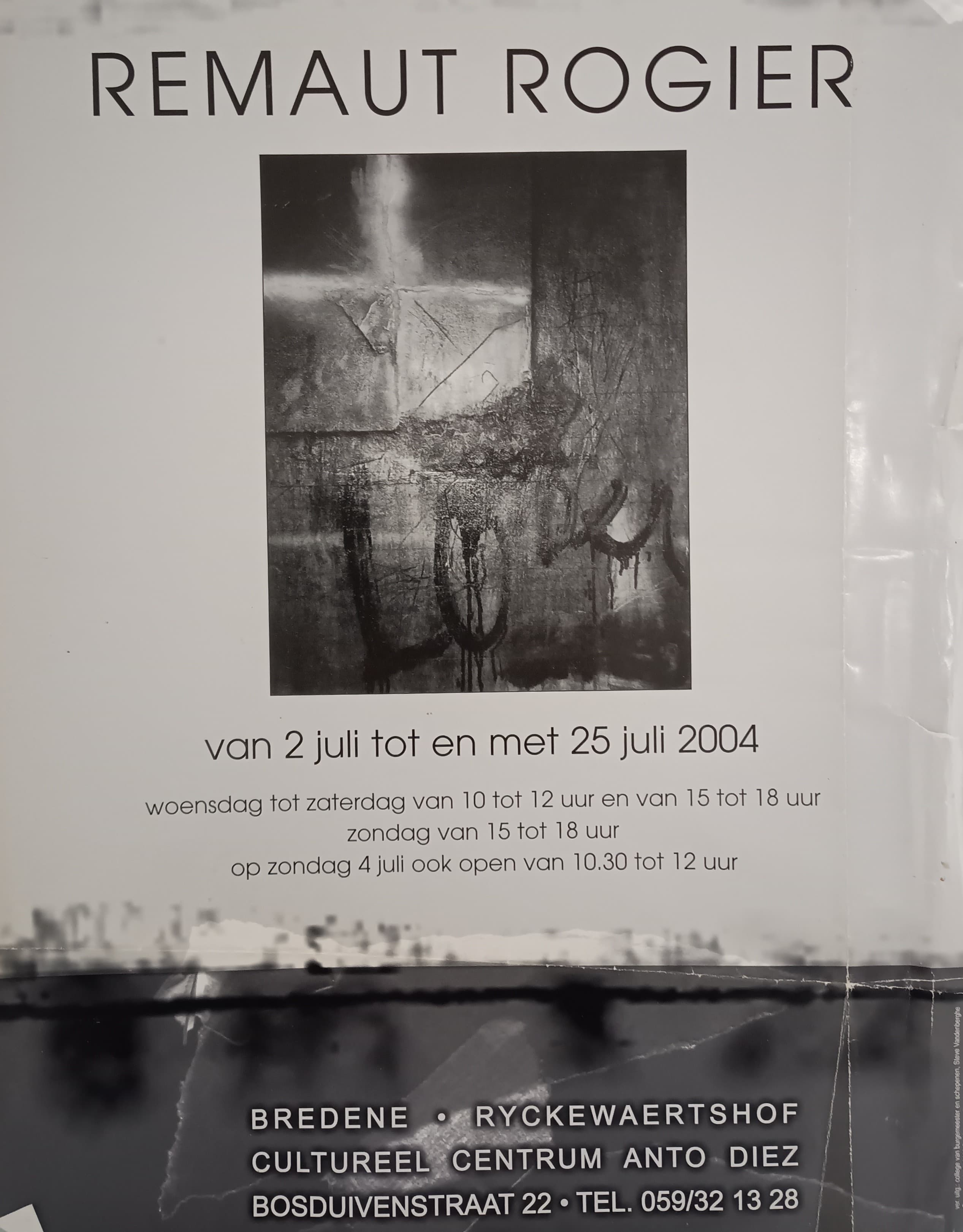
Pollinkhove
Make Art Not War!— The Artistic Manifesto of Belgian Abstract Artist Roger Remaut
Born into the shadow of tyranny, Roger Remaut was named for an uncle—a resistance fighter captured and executed by the Nazis—yet even his identity was conscripted by the occupation. Forced to adopt the Germanic spelling “Rogier,” he entered the world with a name scarred by decree. Because of this, his entire artistic practice has been an act of defiance; his abstract language is not escapism, but a profound philosophical response to that original subjugation.
In 1969, John Lennon and Yoko Ono challenged the world with their slogan: “Make Love Not War.” It was a statement of radical pacifism during an age of Vietnam and global violence. Decades later, Remaut would arrive at his own artistic manifesto: “Make Art Not War.”
For Remaut, this was not a new philosophy—it had always been his practice. Every brushstroke, every abstraction, every meditation on form and space was an answer to destruction. Where violence fragments and destroys, art rebuilds and heals. Where war silences, creativity speaks.
His childhood ruined by fascism, his name Germanicized against his family’s will, Remaut spent eight decades proving that human hands create beauty far more powerful than they create weapons. His abstract works—born from damaged walls and the scars of postwar Europe—stand as testimony to the survival of the human spirit.
In 2023, at 83 years old, he formally declared this philosophy with the exhibition “Make Art Not War” at Xochi Art Gallery in Portugal. It was not a new title. It was the culmination of a lifetime’s work—a defiant, unwavering answer to every violence he had witnessed.
“Where there is war, I make art. Where there is silence, I create noise. I create in the face of destruction.”
Continuing the Practice at 83 — Roger Remaut at Xochi Art Gallery, Portugal
In 2023, at 81 years old, Remaut relocated to Portugal and made his artistic debut with the powerful statement exhibition “Make Art Not War” at Xochi Art Gallery. The exhibition reaffirmed the social and ethical dimensions of his work, demonstrating the continued relevance of his material practice within contemporary discourse.
He continues to paint with undiminished vision and energy, currently represented by Xochi Art Gallery where his work is presented to an international audience of collectors and institutions.
Four exhibitions now comprise his current series: “Into Abstraction,” “New Horizons,” “Form of Figuration,” and “Transcendence.” Each represents a meditation on his artistic practice—the accumulation of a lifetime’s inquiry into form, space, texture, materiality, and the profound silence that lies at the heart of abstraction.
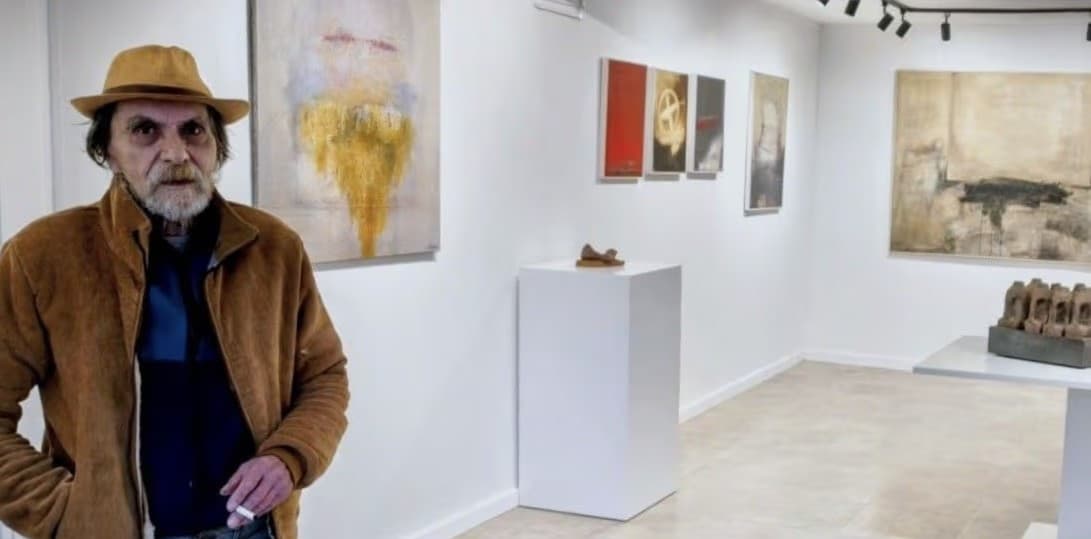
Roger 83, at his exhibition — Into Abstraction | Xochi Art Gallery, Portugal, 2025
Early Works: 1982–1997 — Roger Remaut, artista abstrato belga
Remaut's early abstract period, characterized by restrained palettes of grey and black, exploring texture and form.
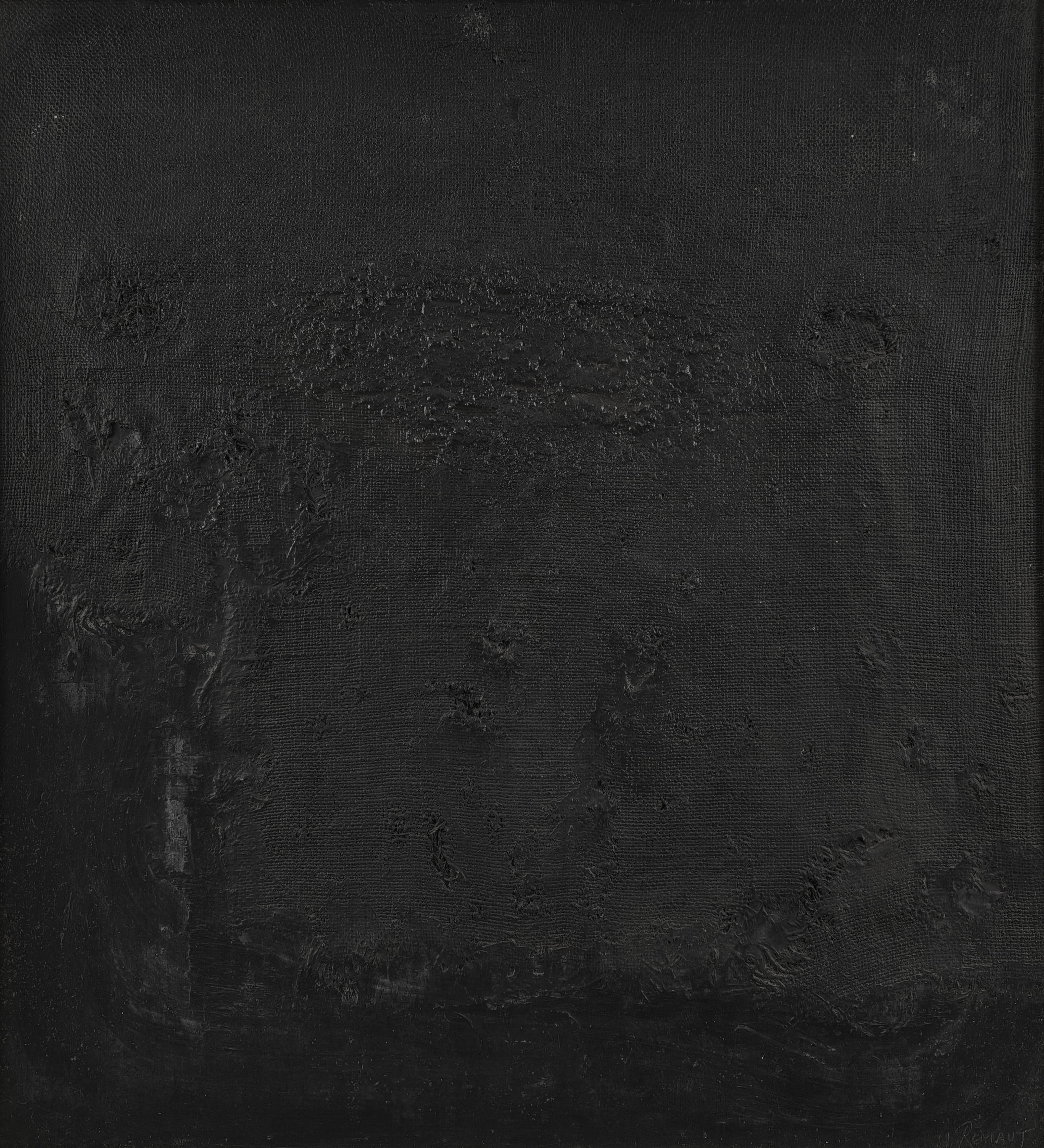
Untitled I
1987
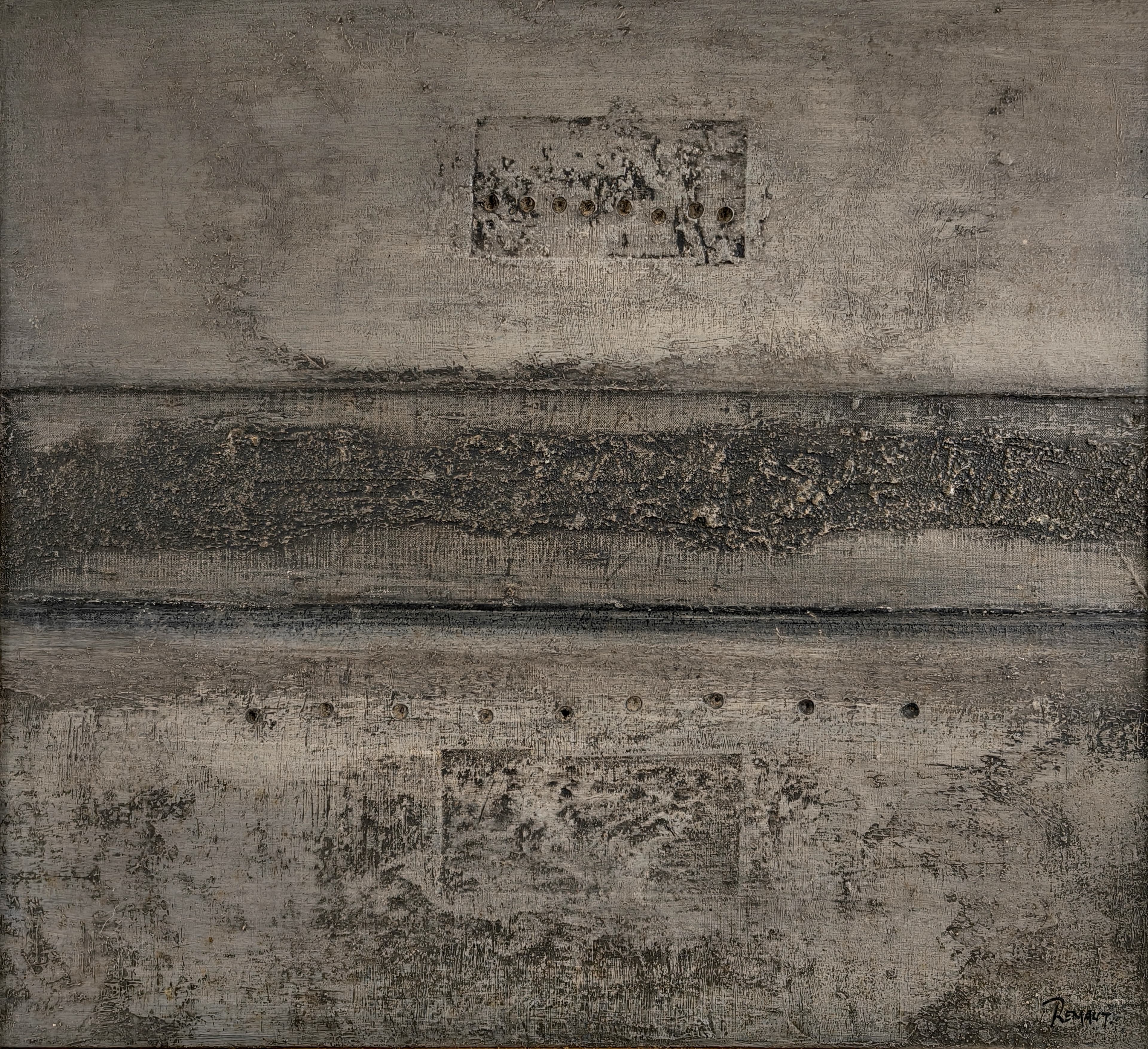
Evenwicht
1982
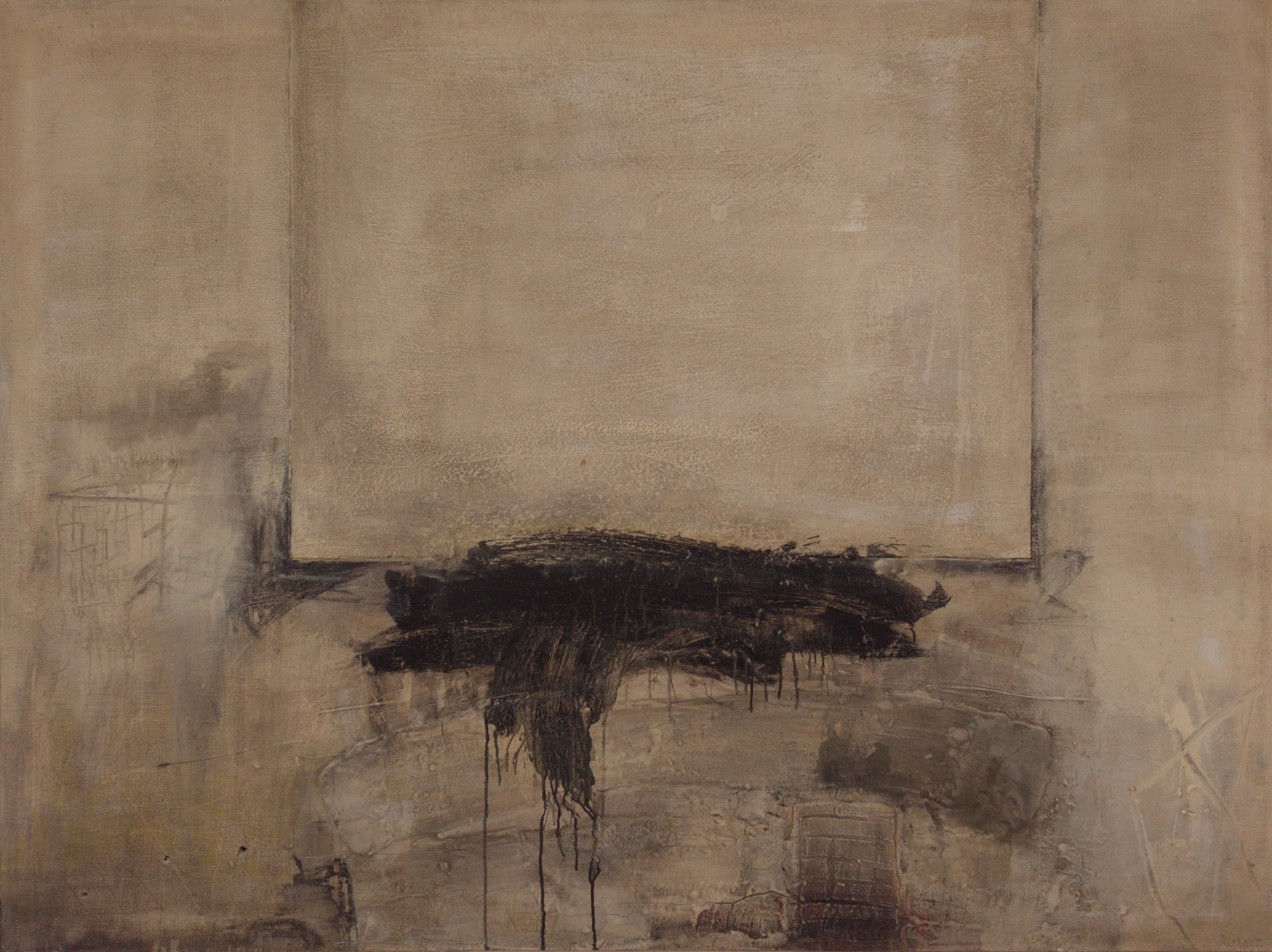
Emblematisch
1995
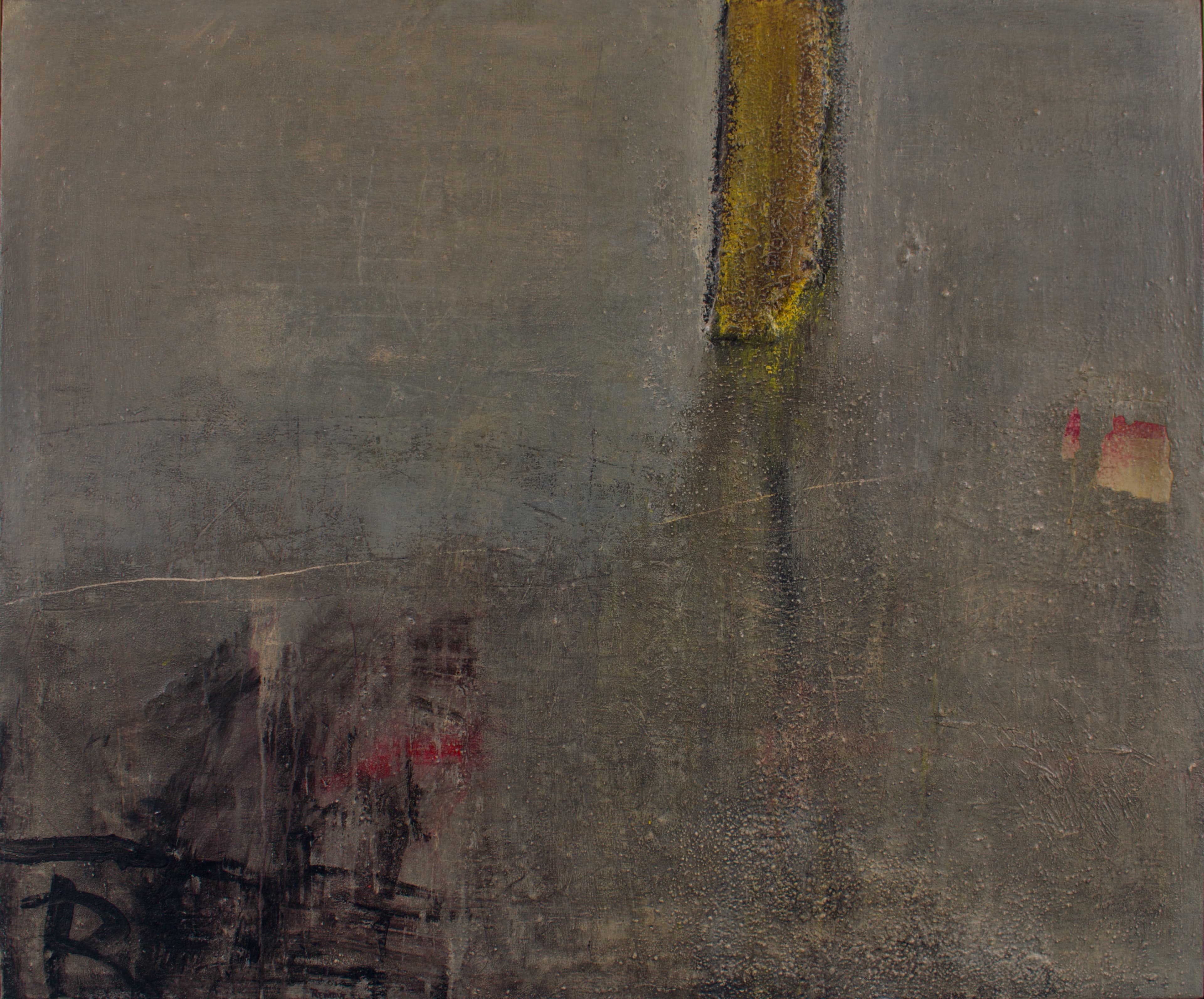
Untitled
1992
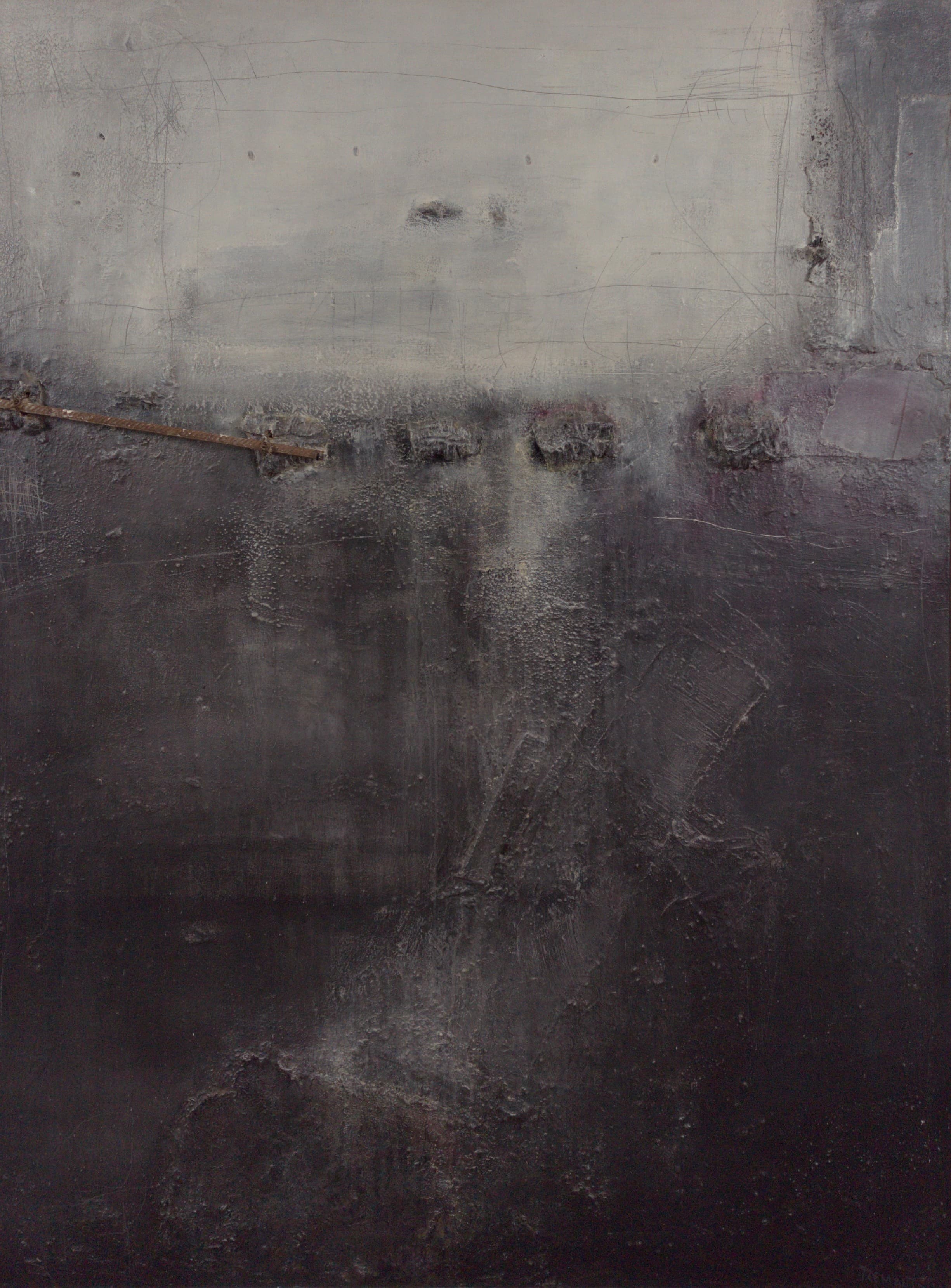
Arcylage Noir
1994
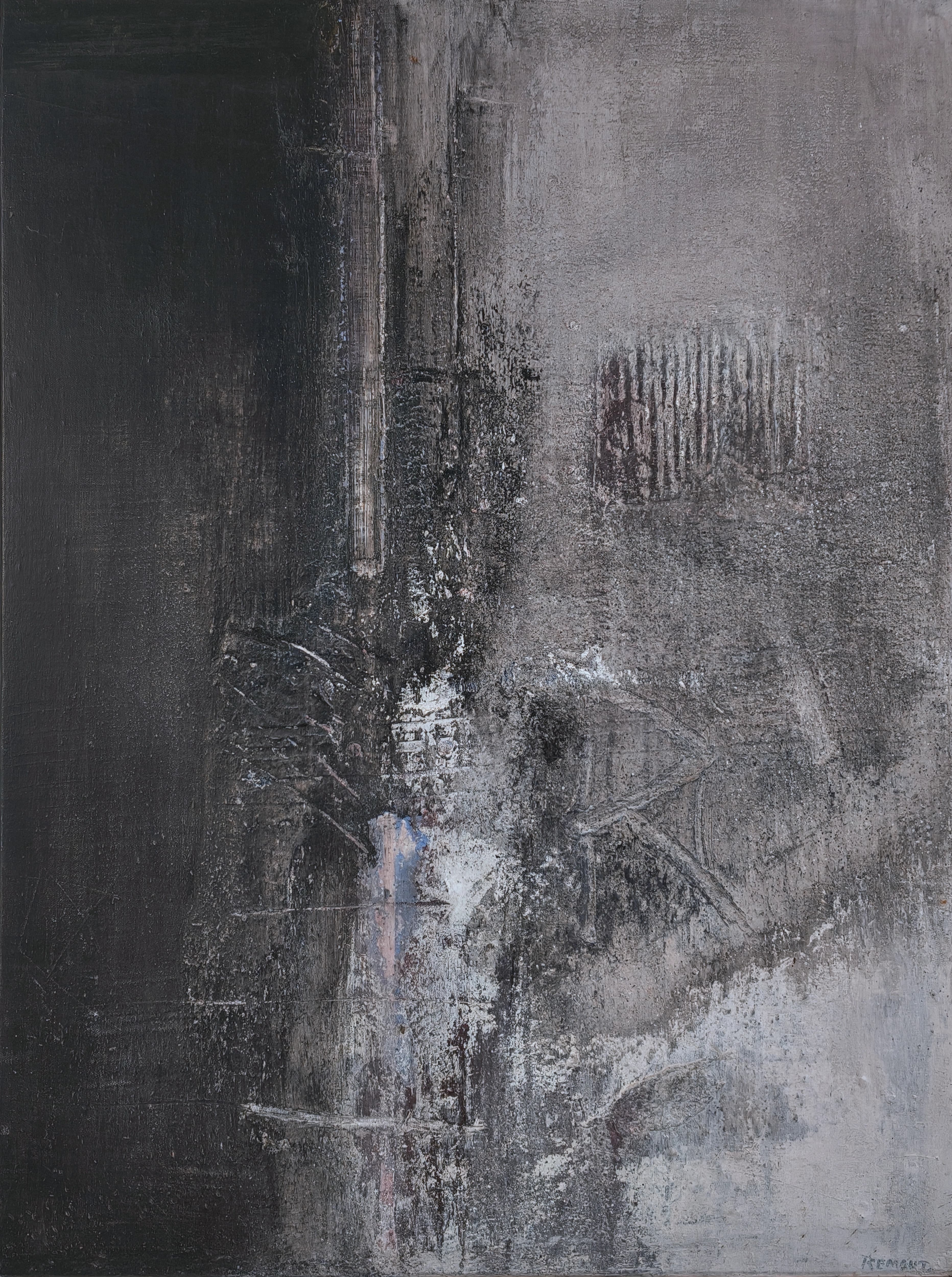
Monologue Intérieur
1997
Mid-Career: 1998–2022 — Roger Remaut, artista abstrato belga
Material, gesture, colour, and relief converge into a fully realized abstract language.
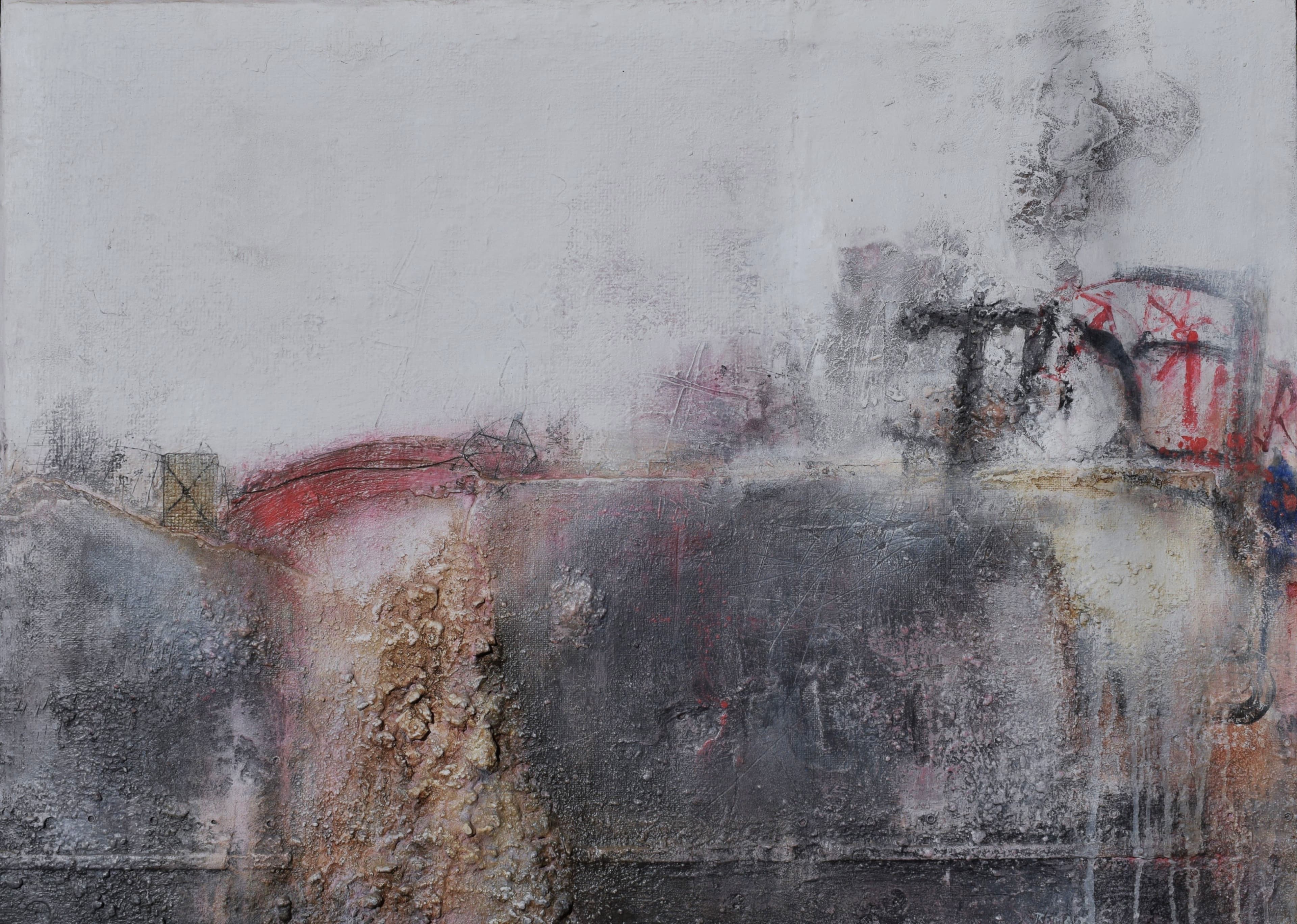
Untitled Forever #2
2001
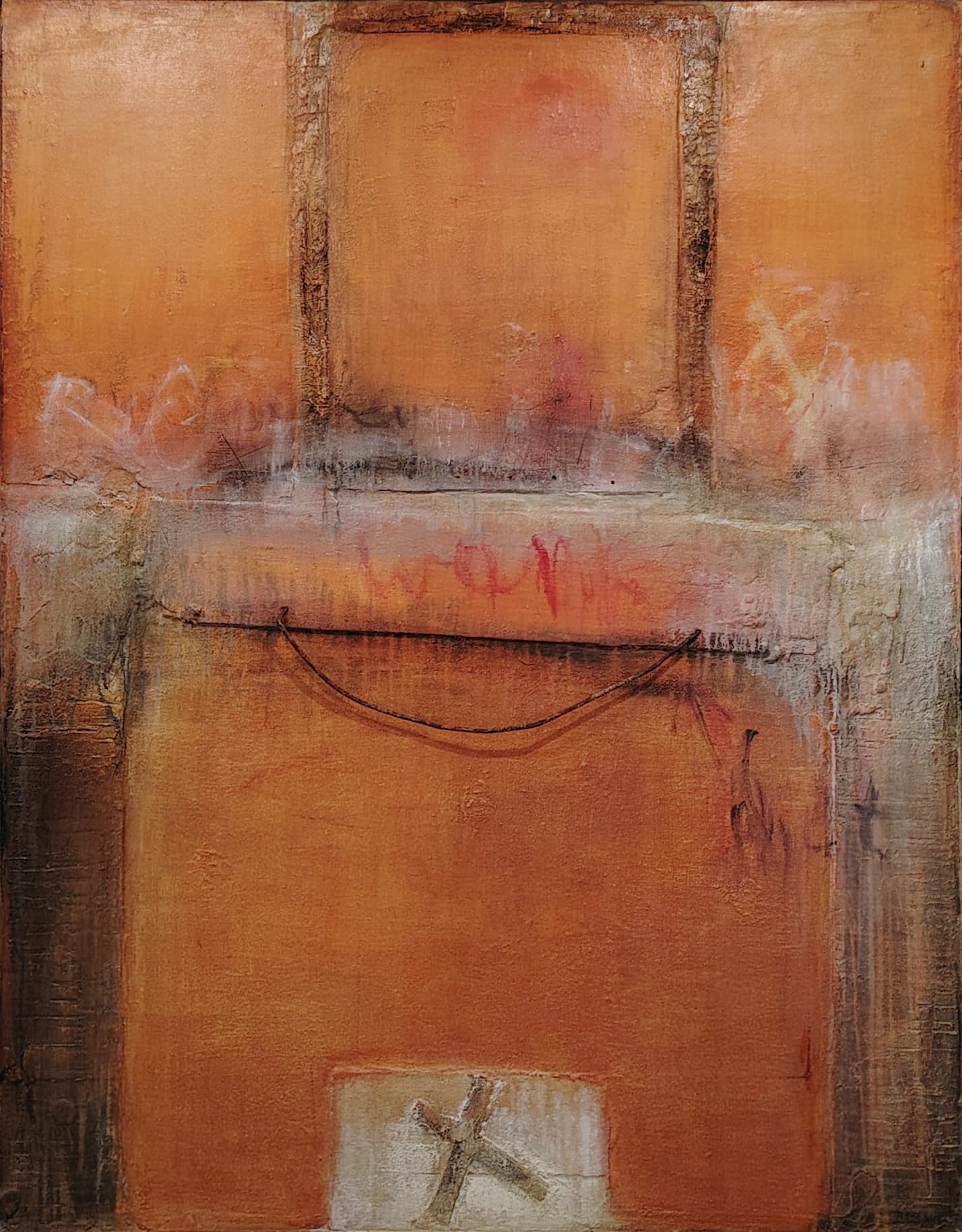
Untitled
2004
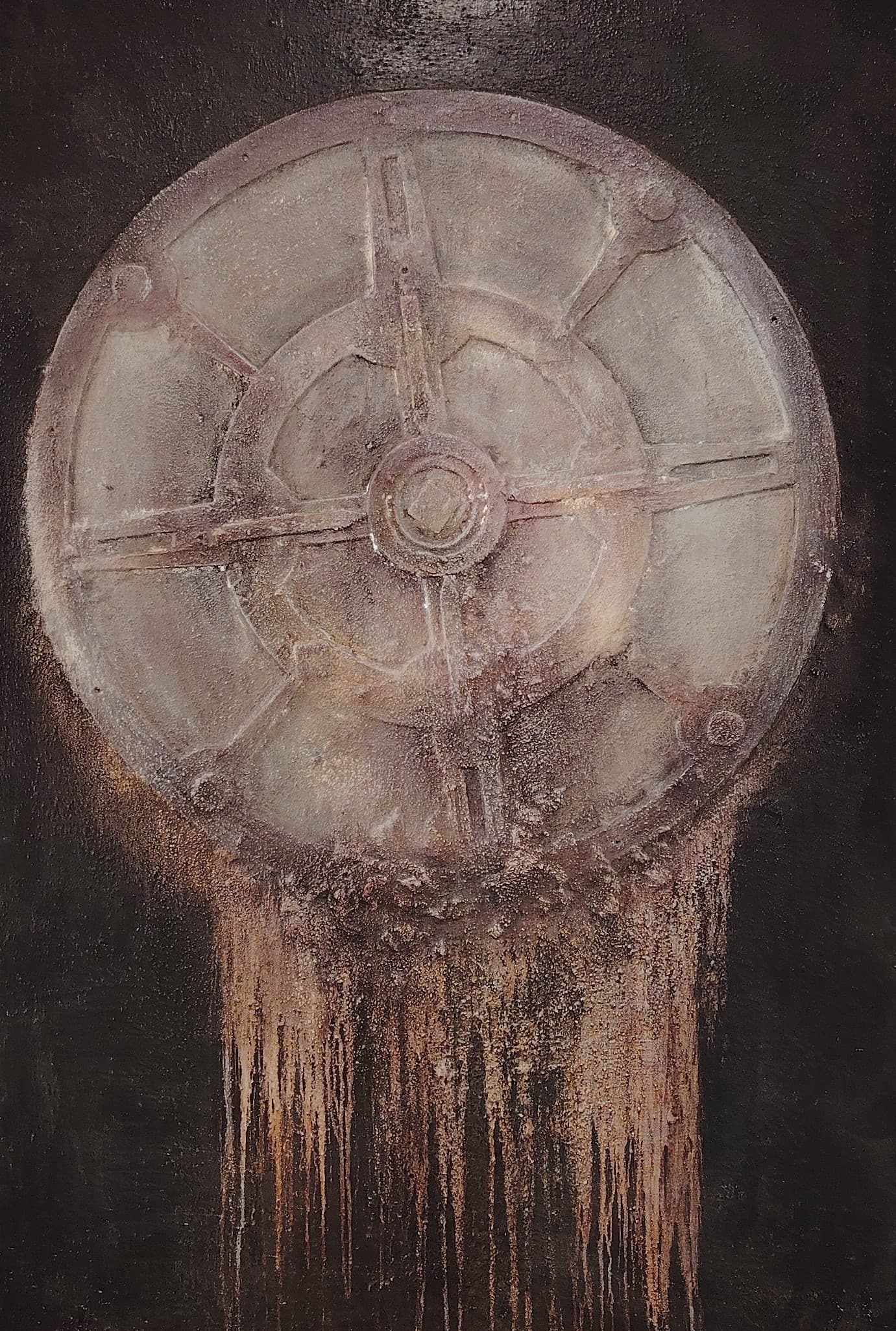
Ombre et Lumiere
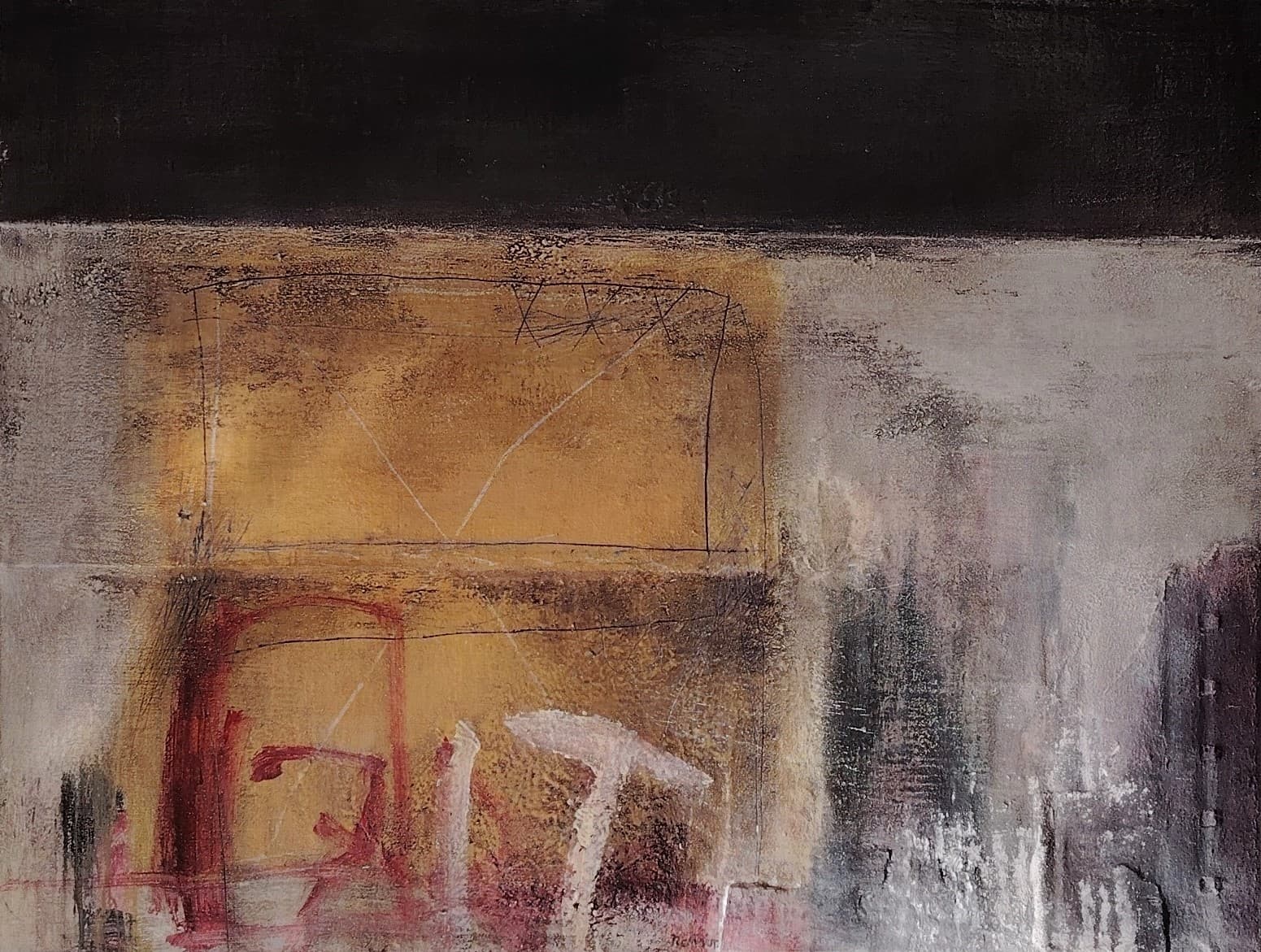
Neighbourhood
2005
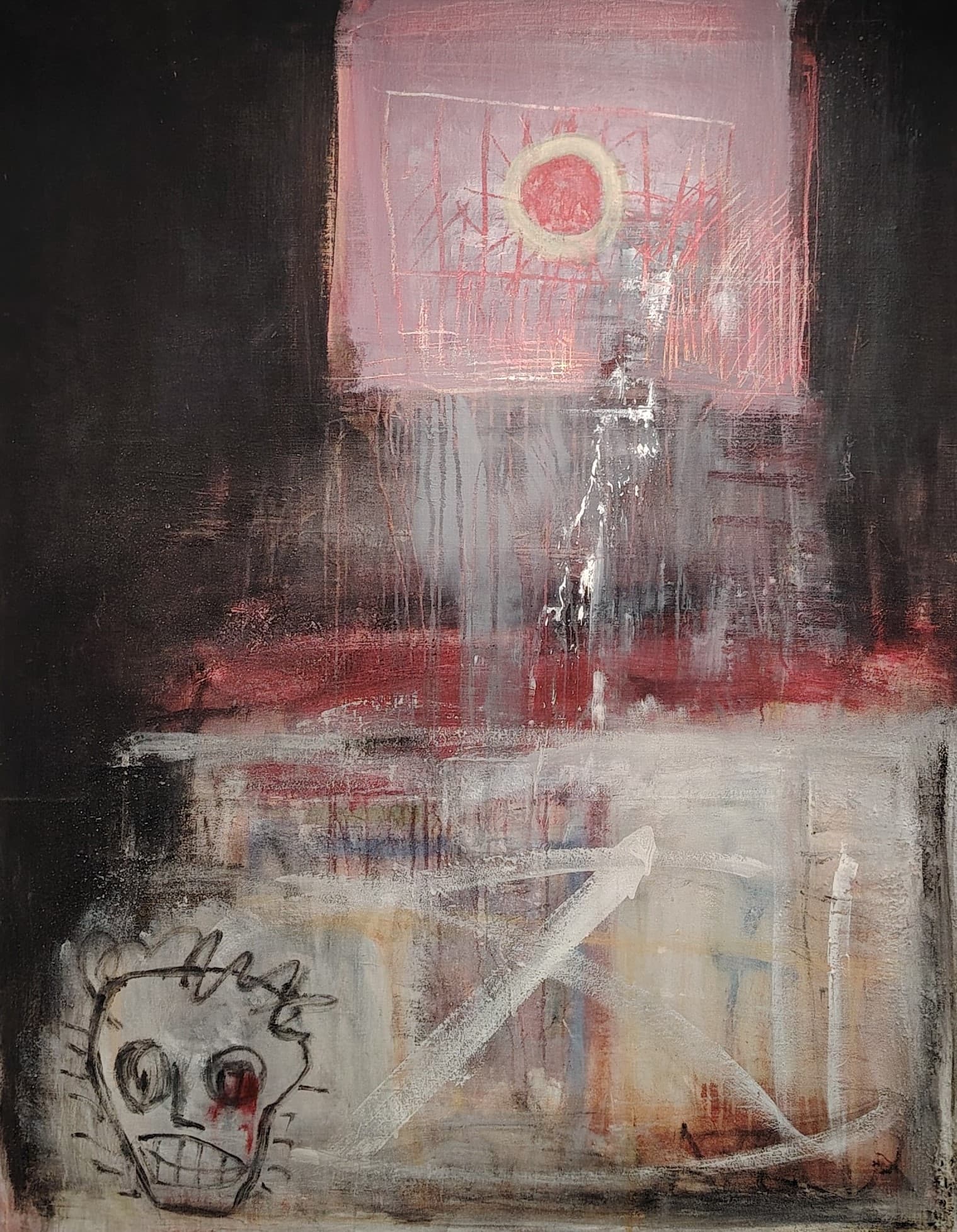
Zeitgeist
2007
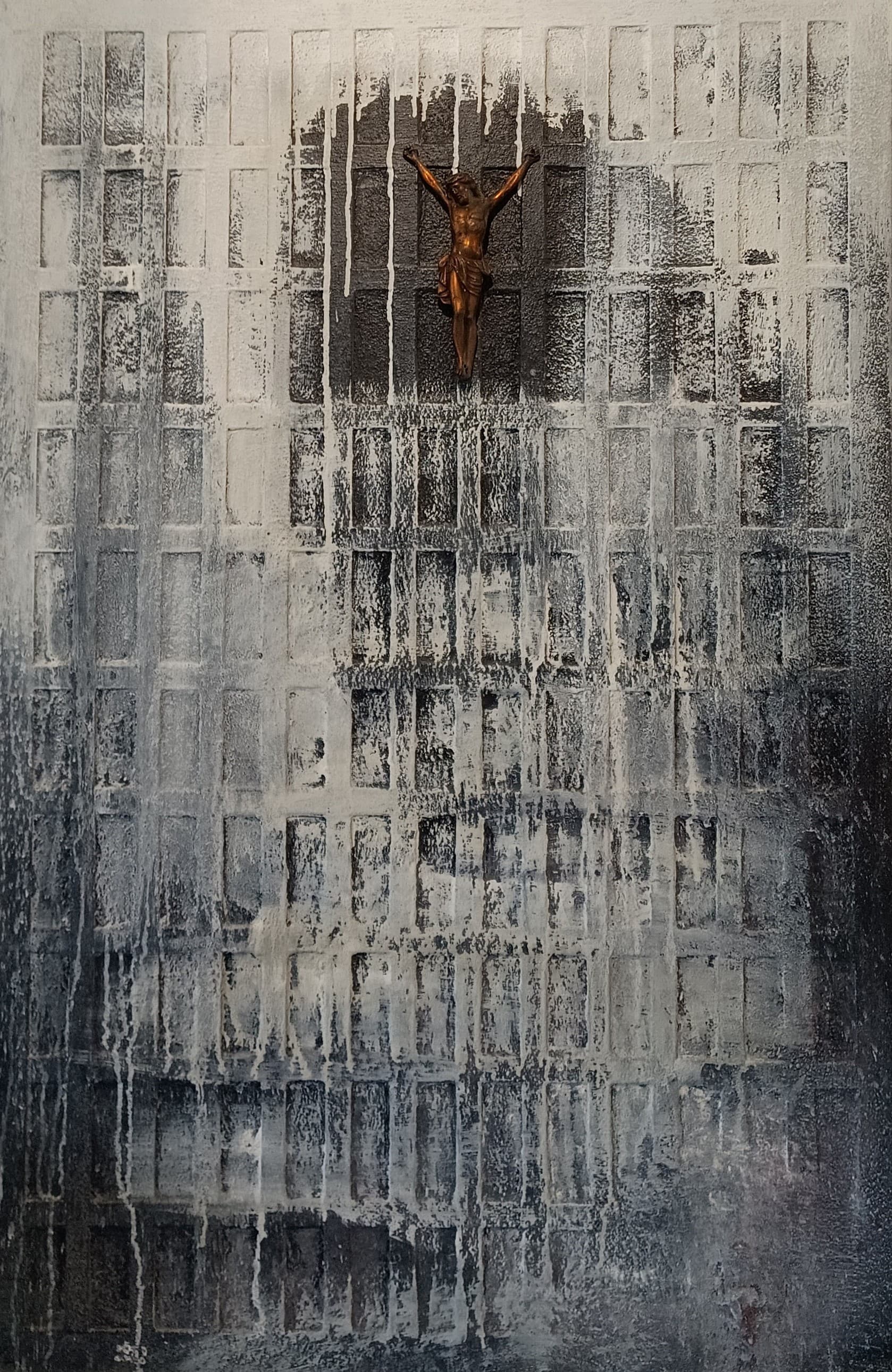
Tribute aan Magritte
Recent Works: 2023–2026 — Roger Remaut, artista abstrato belga
His current practice focuses on intimate works, where decades of mastery are condensed into powerful surfaces.
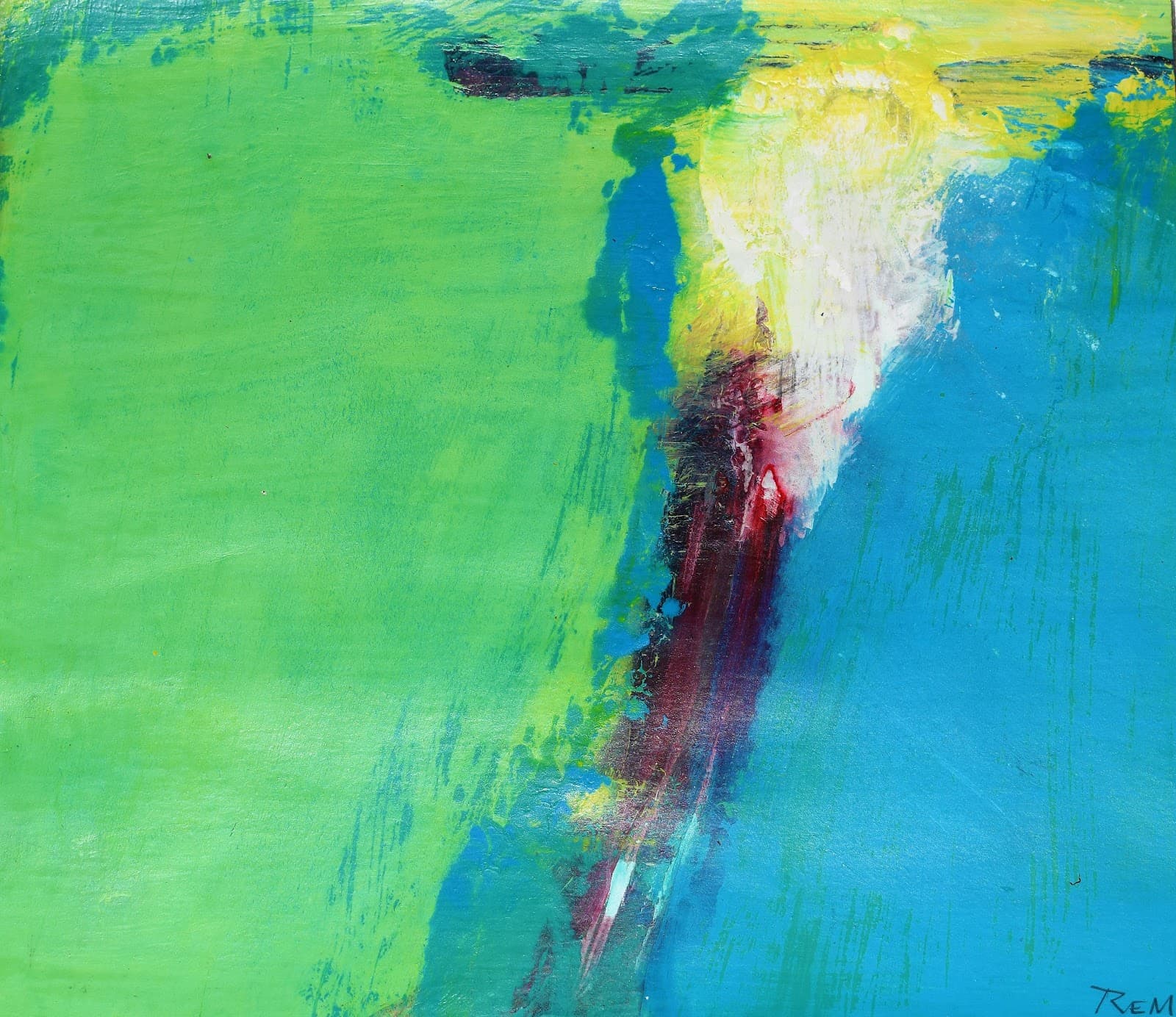
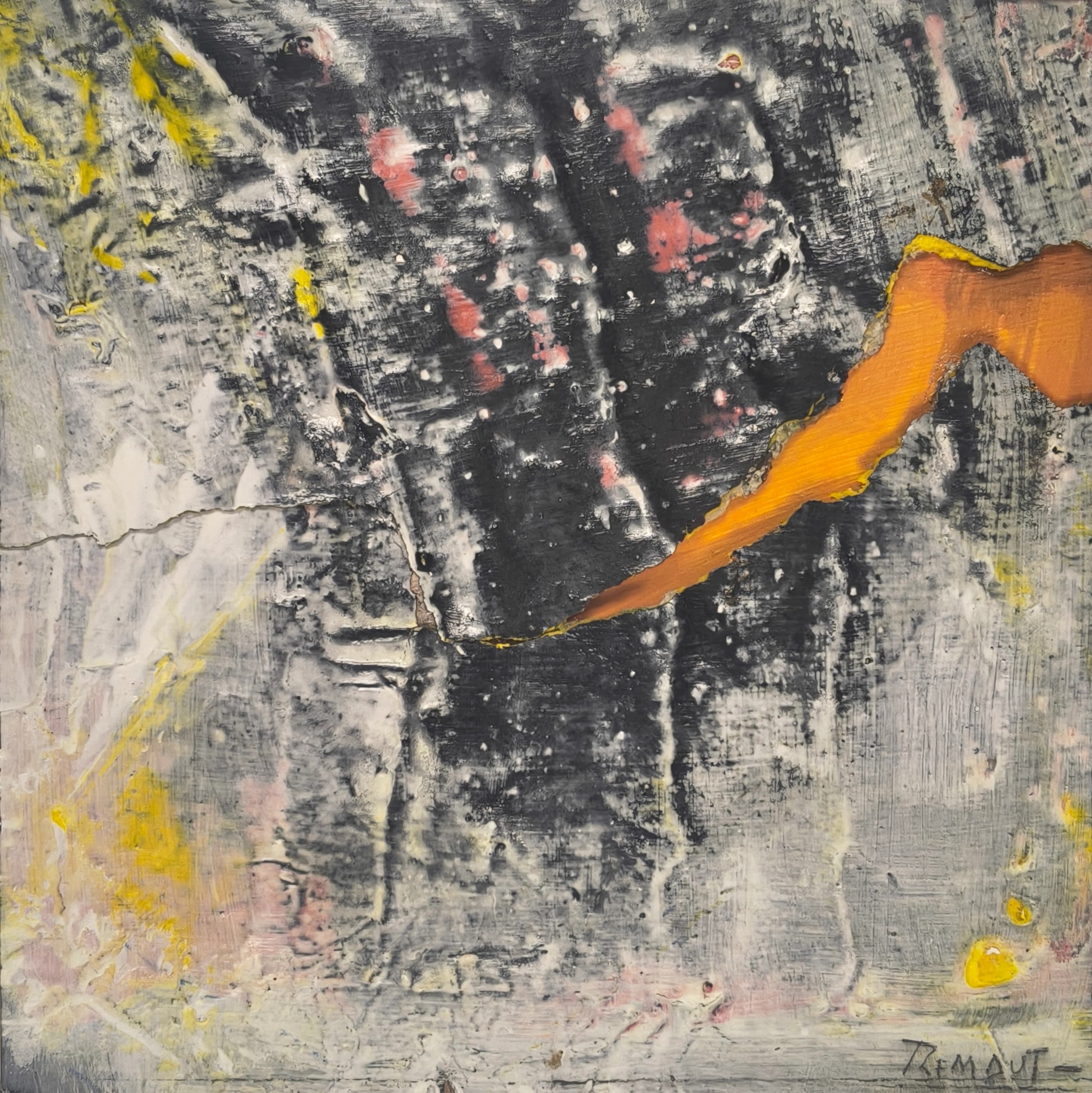
Untitled
2023
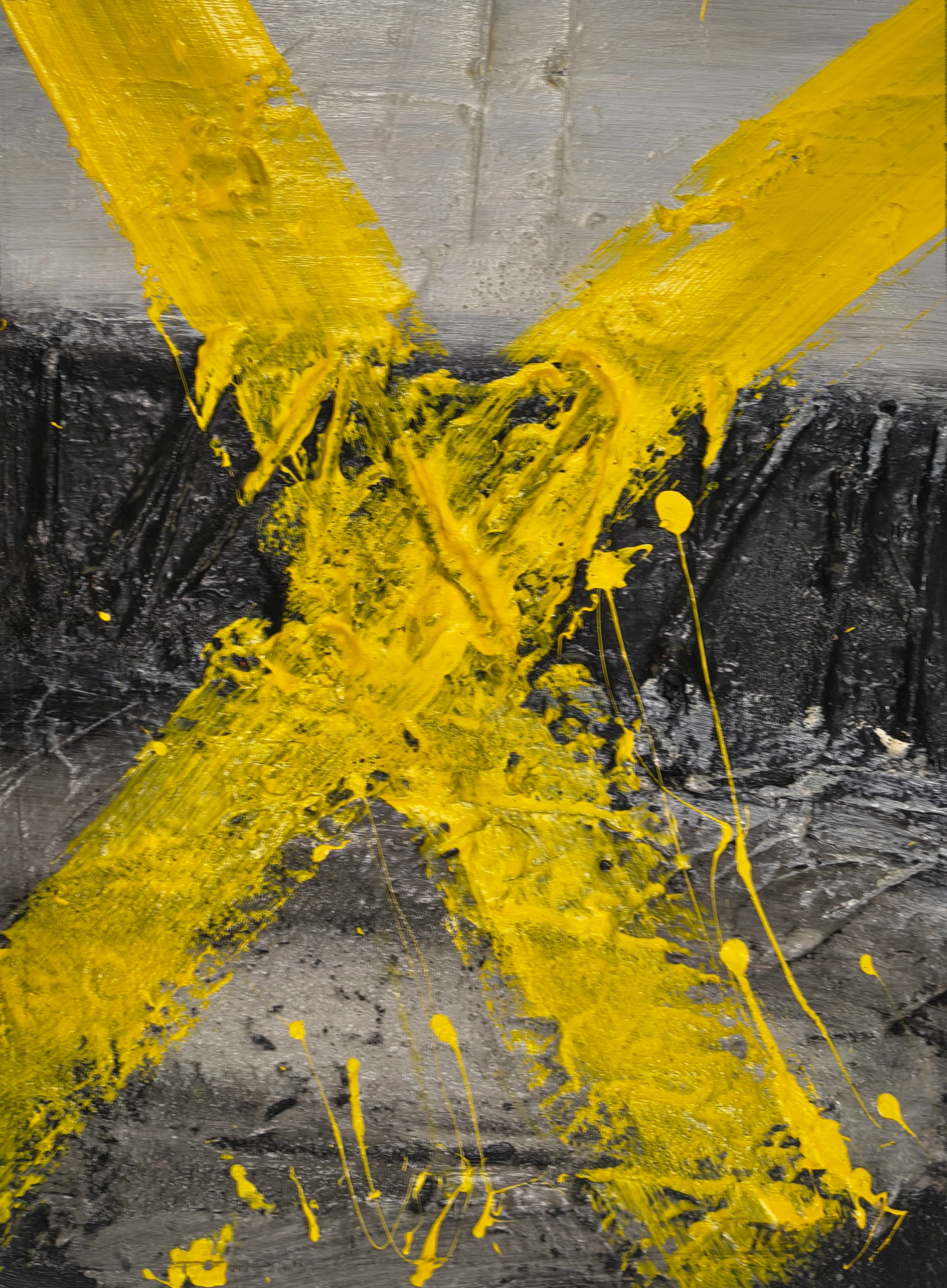
Make Art Not War
2023
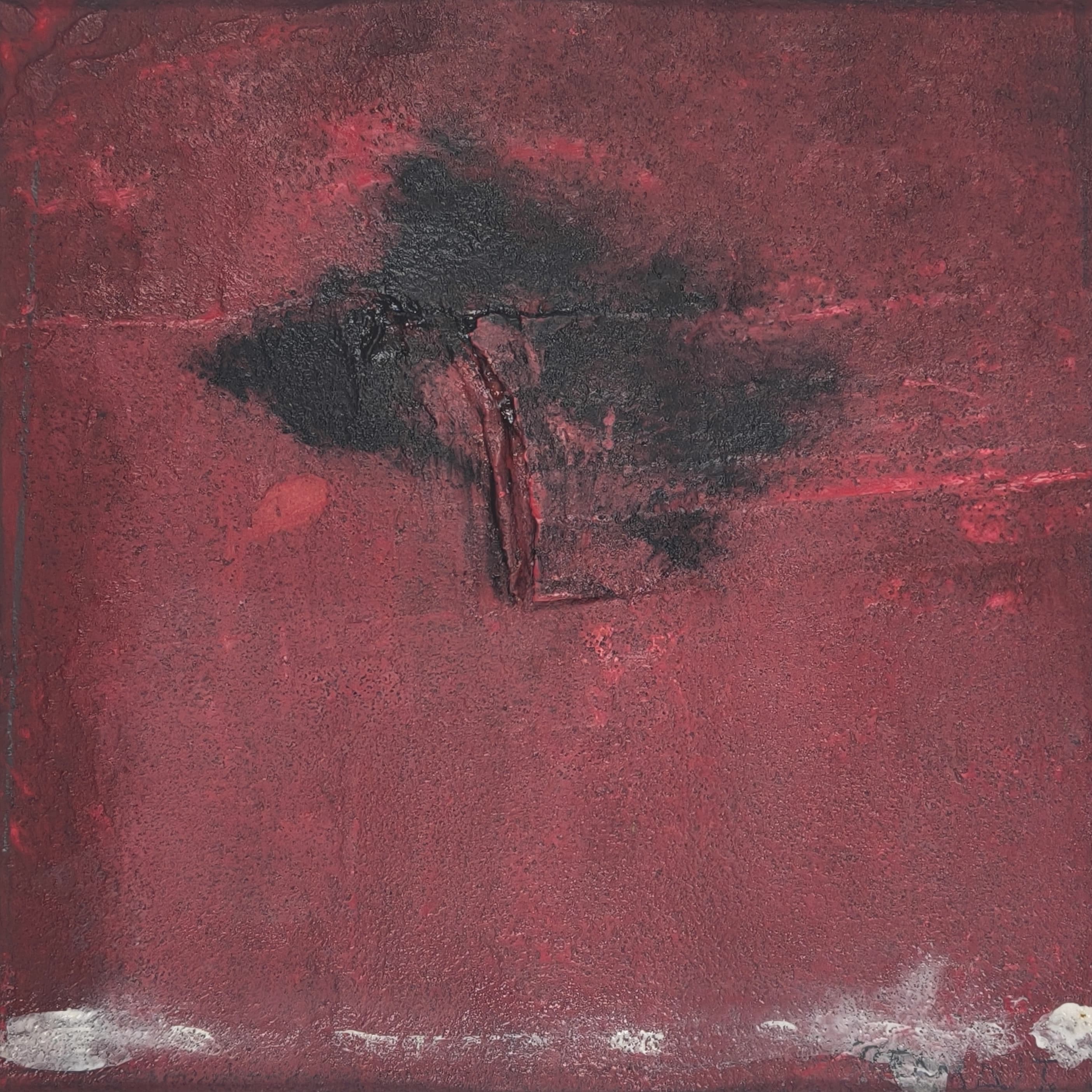
Inconcreto
2026
More than Nothing
2025
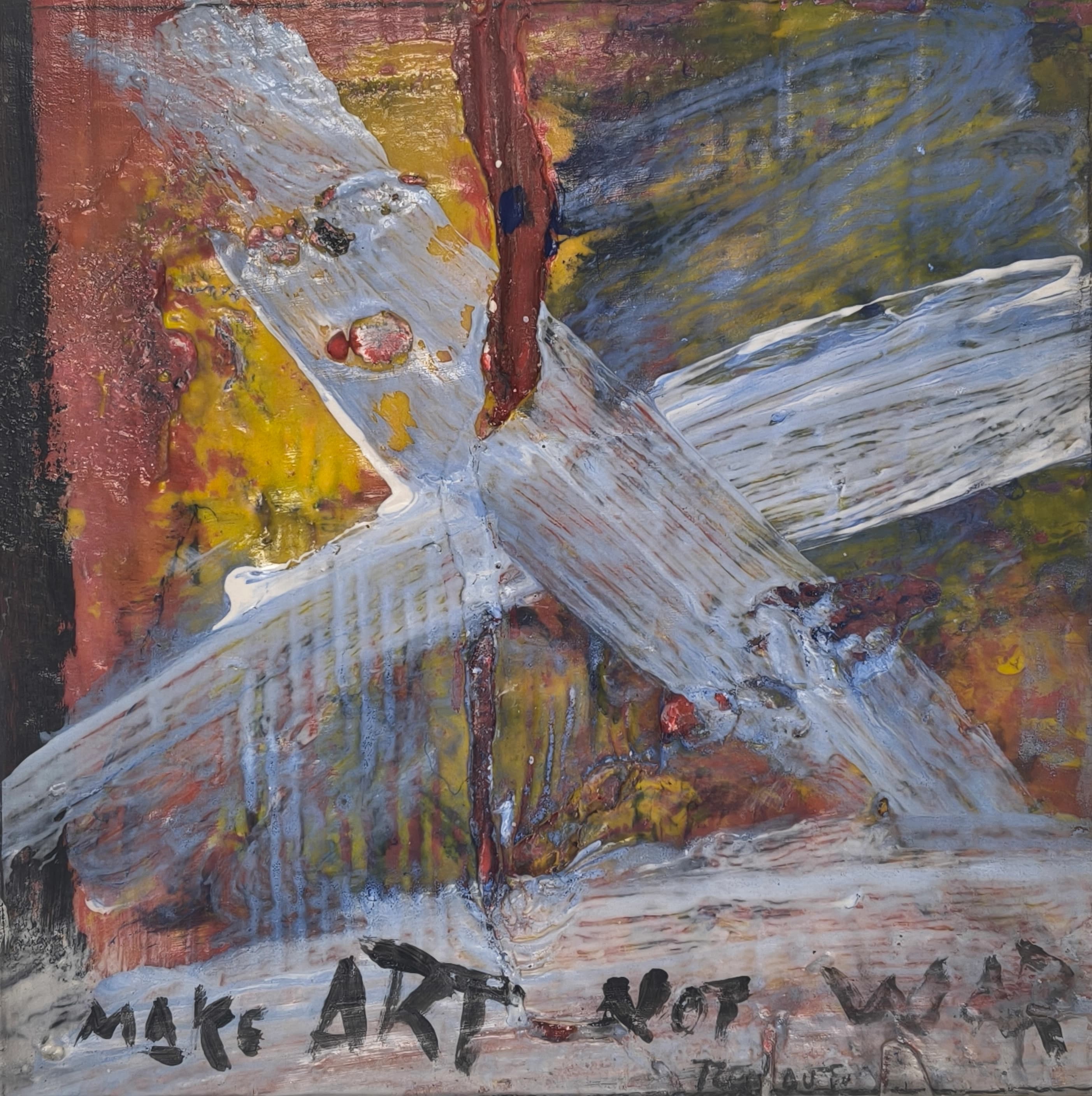
Make Art Not War
2025
Untitled is also a Title
2026
Legacy & Collections : Mu.ZEE Ostend and Belgian State and Flemish Government Collections
Exhibition History
Over 36 solo exhibitions and 42 group exhibitions across Belgium, England, Germany, France, the Netherlands, and Portugal, spanning more than four decades.
Permanent Collections
Permanent acquisitions include Mu.ZEE (Museum of Fine Arts, Ostend); the Belgian Government Collection; the Flemish Provincial Government; and Tuinbouwschool Puurs.
Government Recognition
Remaut's work has been displayed in official government settings including the Office of the Minister of Internal Affairs (1986) and the Office of Inge Vervotte, Flemish Minister of Health (2004).
Ostend Heritage
His long-standing connection to Ostend—home to James Ensor, Leon Spilliaert, and Constant Permeke—situates his work within a defining lineage of Belgian artists from the coast.
Curriculum Vitae — Roger Remaut, Belgian Abstract Artist | Exhibitions, Collections & Prizes
Roger Remaut
Complete exhibition history and curriculum vitae of Roger Remaut (born Ostend, Belgium, 1942), one of Belgium's foremost abstract painters and pioneer of Materieschilderkunst (Material Art). Includes solo exhibitions, group exhibitions, Belgian painting prizes, permanent museum collections including Mu.ZEE Ostend, the Belgian State Collection, and the Flemish Government Collection, as well as television broadcasts and critical publications.