Xochi Art Magazine/Exhibitions
What Happens When You Take Contemporary Art Out of the Gallery?
What happens when contemporary art leaves the traditional gallery and enters a shopping center? After three pop-up exhibitions at La Vie Guarda, we explore the unexpected audiences, practical challenges and business opportunities of exhibiting art where people already live, shop and spend their time.
Belinda Levez · 21 Sept 2026
What Three Pop-Up Exhibitions at La Vie Guarda Taught Us About Contemporary Art, New Audiences and Exhibition Spaces
Why Take Contemporary Art Into a Shopping Centre?
When you announce that an art gallery is hosting its latest contemporary exhibition inside a shopping centre, you are usually met with a brief pause.
In the art world, context is treated as currency. We are conditioned to believe that serious contemporary art belongs in pristine, white-cube galleries, minimalist museum spaces, or historic stone buildings with lofty ceilings. The white cube is quiet, sterile, and deliberately isolated from the noise of daily life.
A 2025 Sky Arts survey of 2,000 people in the UK found that nearly half had never visited an art gallery. More than a third said they felt the arts were beyond their reach, reserved for a privileged few.
What happens when you stop asking people to go looking for art and put the art where people already are?
A shopping mall, specifically La Vie Guarda, is the absolute antithesis of that environment. It is dynamic, bright, and deeply pragmatic. It is a bustling convergence point where people browse designer clothing, shop for fine jewelry, source home decor, grab coffee, and run everyday errands.
The Third Edition at La Vie Guarda
The third exhibition also gives us a chance to test something different. Our previous exhibitions included both figurative and abstract work. This time, the exhibition is entirely abstract, featuring the work of Belgian painter Roger Remaut.
That changes the conversation.
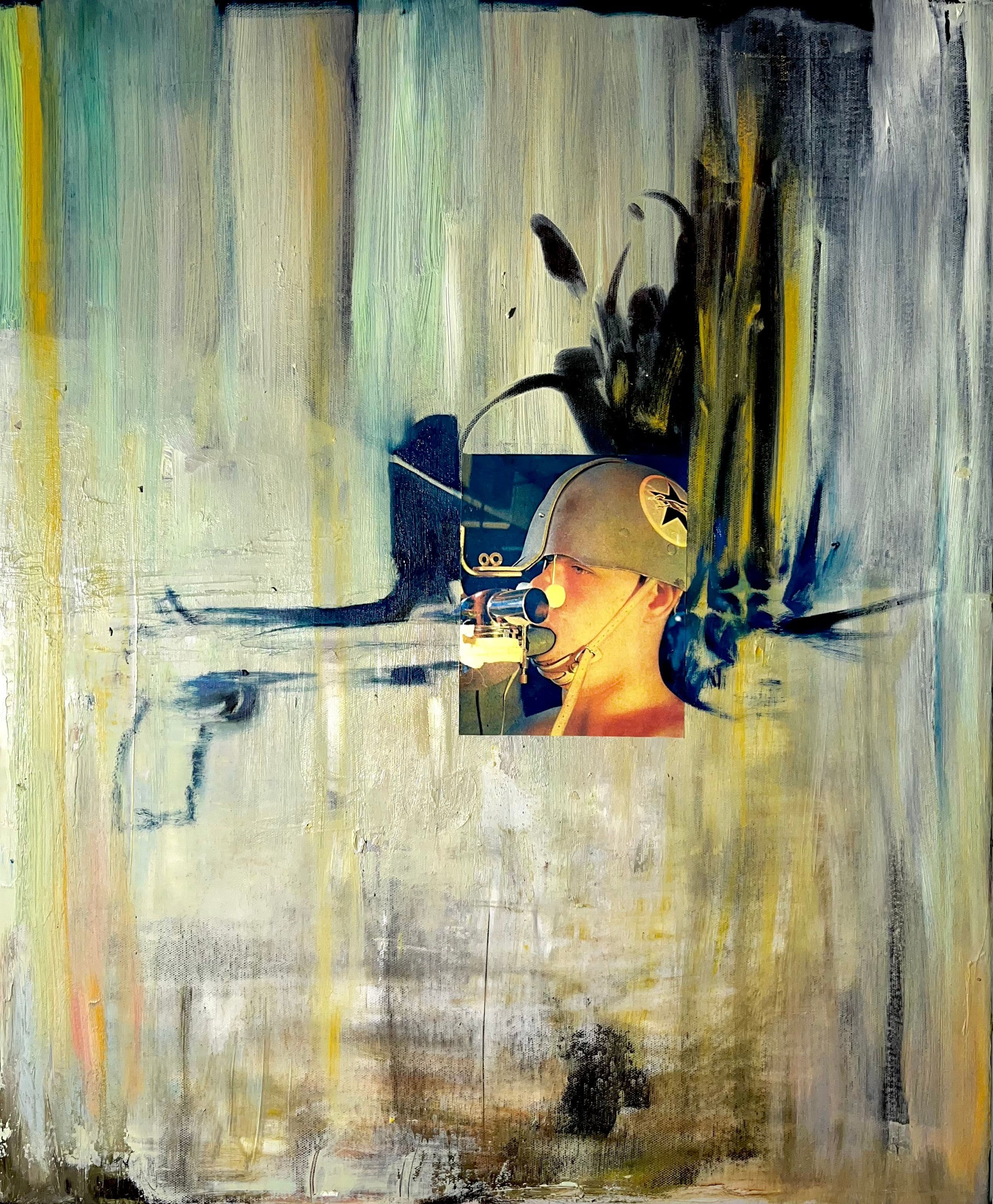
Figurative work often gives an unfamiliar viewer an immediate point of entry: I know what I'm looking at. Abstract painting doesn't necessarily offer that reassurance. The viewer has to find another way in through colour, texture, scale, movement, material or emotion.
That makes this exhibition particularly interesting in a shopping-centre environment. Our role isn't to persuade every visitor to love abstract art. It is simply to create an environment in which they feel comfortable spending time with it.
The question changes from “What is this supposed to be?” to “What am I responding to?”
The Power of the Accidental Audience
Three exhibitions have convinced us that placing art where people already spend their daily lives can be a powerful audience-development strategy.
In a traditional gallery or museum, most visitors have made a conscious decision to encounter art. They checked your opening hours, planned their route, pushed open the glass door, and stepped across a threshold that can feel intimidating to non-insiders. The traditional gallery filters out the vast majority of the public before they even see a single painting.
In a shopping centre, that dynamic flips entirely.
The most fascinating aspect of running a pop-up in La Vie Guarda is the accidental audience.
When art shares space with clothing boutiques, jewelers, home wares stores, and cafes, the viewers aren't just seasoned collectors, art critics, or fellow artists, though they certainly come, too. They are shoppers hunting for a new outfit, couples looking at design pieces for their home, families on a weekend outing, and visitors who simply happened to glance sideways while walking past a jewelry display and caught a glimpse of a dynamic canvas.
We have watched people who would likely never set foot in a formal gallery space walk inside, stand in front of a massive abstract work, and engage with it for ten minutes. They don't arrive with preconceptions or visual jargon. They respond to what they can see in front of them - colour, texture, scale and the physical presence of the work.
The result is a different kind of audience: people who may never have deliberately visited a gallery encounter the work simply because they happen to be there.
The interesting part is what happens next. We've had visitors take a flyer from the shopping-centre exhibition and subsequently visit our gallery in Vale de Amoreira, 33 kilometres away. In other words, the pop-up doesn't necessarily replace the traditional gallery experience. It can act as a bridge to it.
What Pop-Up Art Exhibitions Offer Galleries and Artists
From an art-business perspective, repeating a pop-up strategy in a high-traffic retail hub offers clear operational and creative advantages over the rigid overhead of a traditional permanent space:
- Hyper-Visibility and Targeted Foot Traffic: A permanent gallery tucked away on a quiet side street might see 20 visitors on a slow Tuesday. A shopping hub like La Vie Guarda sees thousands of engaged shoppers pass through its concourses daily, people who are already browsing for quality, aesthetics, and lifestyle.
- Low Overhead, High Impact: Pop-ups allow gallerists and independent artists to deploy capital into production, artist support, high-end presentation, and marketing rather than sinking immense capital into year-round physical real estate rent.
- Agile Spatial Experimentation: A temporary footprint gives you the liberty to redesign the spatial flow for every single show. You can build bespoke temporary walls, alter lighting configurations, and test radical curated concepts without being trapped by a permanent architectural layout.
- Testing and Building Regional Markets: A pop-up brings gallery-grade masterworks directly to regional communities, testing local interest and cultivating new regional collectors organically.
The Challenges of Exhibiting Art in a Shopping Centre
Operating outside a traditional gallery wall comes with distinct friction points that every artist and curator must prepare for:
Working Around Fixtures and Fittings
Empty retail units come with challenges. They often contain fixtures that cannot be changed. You have to work around shelves that cannot be moved. The hanging of paintings may have to be improvised with walls that you are not allowed to screw into. We have had to lean paintings on shelves rather than hang them. For sculptures you may need to bring your own podiums. We have also used easels to display paintings.
Acoustics and Ambiance Control
You cannot control the ambient noise of a shopping centre. Background music, crowd chatter, and retail announcements bleed into the space.
Lighting Contemporary Art in a Retail Space
Standard retail or mall lighting is designed to illuminate merchandise uniformly, it doesn’t work well for art. Bringing in high-grade temporary spots is necessary if you want the artwork to look its best alongside professional store displays.
Photography and Reflections in Shop Windows
The store front window was a nightmare to photograph. There were reflections from everywhere. We now know to bring a heavy curtain to hold up behind the photographer so that we can eliminate the reflections.
Engaging Visitors With a Browsing Mindset
A portion of the foot traffic enters with a casual retail mindset. Staffing a pop-up requires a different conversational touch, welcoming and low-pressure, ready to educate without making visitors feel like they're being sold to immediately.
Security and Protecting Artwork in a Public Space
In a public shopping space, sightlines and physical barriers matter. High foot-traffic means shopping bags, strollers, and drinks are in closer proximity to the art than in a quiet gallery. Intelligent barrier design and attentive floor presence are essential.
Promoting an Exhibition Without an Opening Event
We were not allowed to hold an opening event at the mall. Our solution was to hold an opening event at the gallery. We timed this so that a few days after the exhibition opened at the mall, the opening took place at the gallery. The mall exhibition gave us an opportunity to hang a poster in the window and to distribute flyers advertising the gallery.
What Three Pop-Up Exhibitions Have Taught Us
Having run three consecutive exhibitions at La Vie Guarda, our initial experiment has evolved into a model we now understand much better. Here are our core takeaways for artists and curators considering a similar path:
The Economics of a Shopping Centre Pop-Up Exhibition
One of the biggest advantages is surprisingly simple: the space is provided to us rent-free, including utilities. The shopping centre produces posters and promotes the exhibition on its website. Our costs are primarily logistics and the time required to install and dismantle the exhibition.
The exhibition also doesn't require us to staff the space throughout the day. The centre has CCTV and security personnel, while our gallery remains the point of contact for anyone who wants further information about the work.
That changes the economics of exhibiting. Instead of paying for a permanent retail footprint twelve months a year, we can temporarily occupy a high-visibility location at a fraction of the cost.
Building an Audience Through Repeat Exhibitions
The first pop-up is an experiment. The second tells you whether the experiment has legs. By the third, you have enough experience to start seeing patterns. By returning to La Vie Guarda for a third time, local visitors now look forward to what we bring into the space. We have built an expectant audience within a commercial center.
Why Curation Quality Matters in a Pop-Up Exhibition
The biggest mistake an artist or gallery can make in a pop-up is treat it as a "second-tier" space and hang secondary work. To make the pop-up concept work, the curation, lighting, hanging hardware, and artist caliber must equal or exceed what you would see in a major capital city gallery.
Working With a Shopping Centre as a Cultural Partner
In our experience, the relationship works best when the shopping centre sees the exhibition as something that adds cultural value to the space rather than simply filling an empty unit.
The centre gains an occupied retail space, additional content for its marketing, and an experience that differs from its usual commercial offer. It also benefits from the increased foot traffic that the exhibition brings. We gain access to a location and audience we might not otherwise reach.
Roger Remaut: Abstract Art in a Shopping Mall
The white cube has its advantages. It creates a focused environment in which the artwork becomes the centre of attention. But it can also create distance. Removed from the distractions of everyday life, art can sometimes feel as though it belongs in a world separate from our own.
A shopping centre offers almost the opposite experience. At La Vie Guarda, art exists alongside fashion, design, homewares and the everyday business of shopping. Visitors are already responding to colour, form, materials and visual presentation before they even enter the exhibition. The artwork becomes part of a broader visual environment rather than something separated from it.
Our third exhibition gives us an opportunity to explore that idea through the work of Belgian abstract painter Roger Remaut.
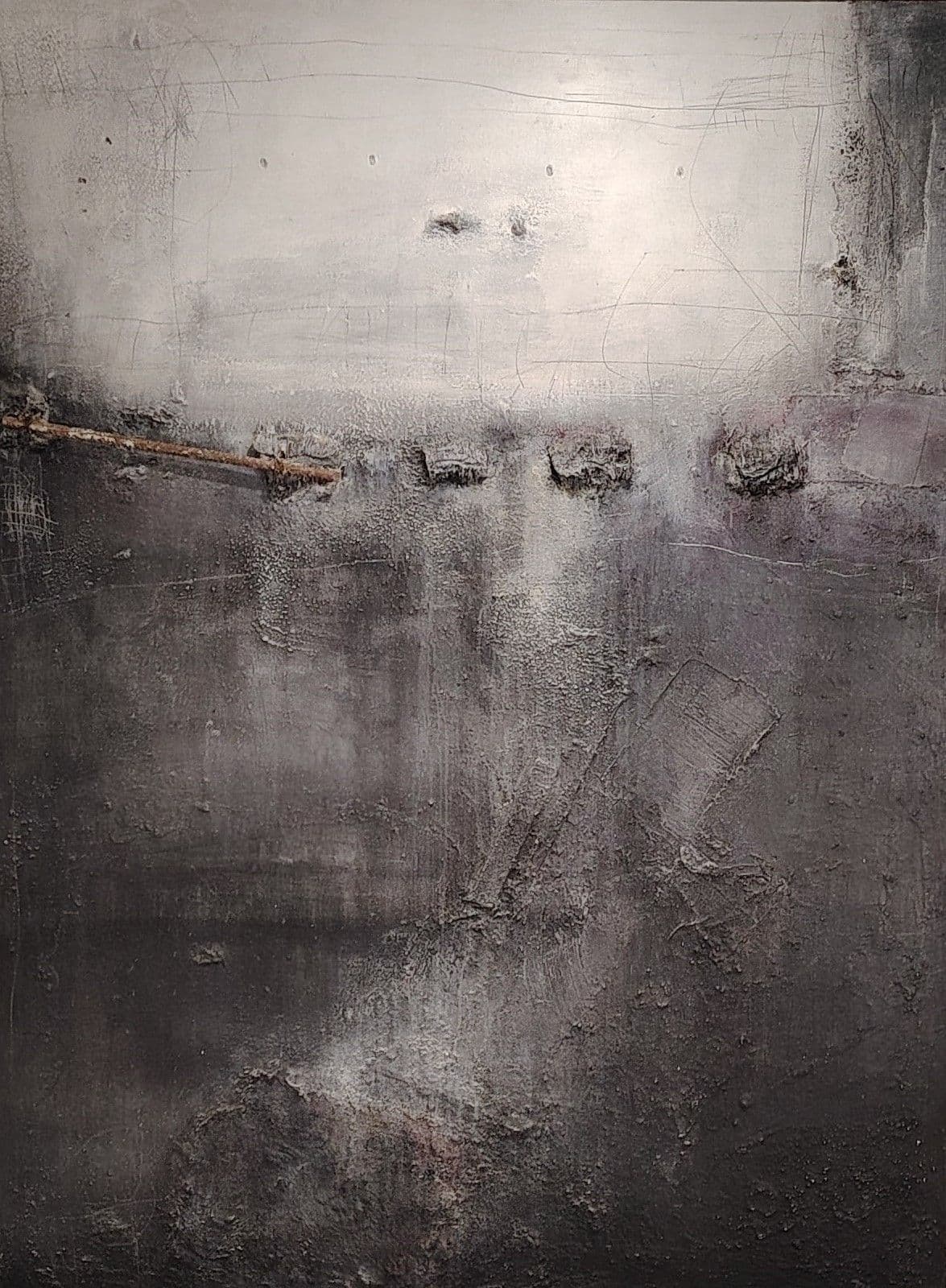
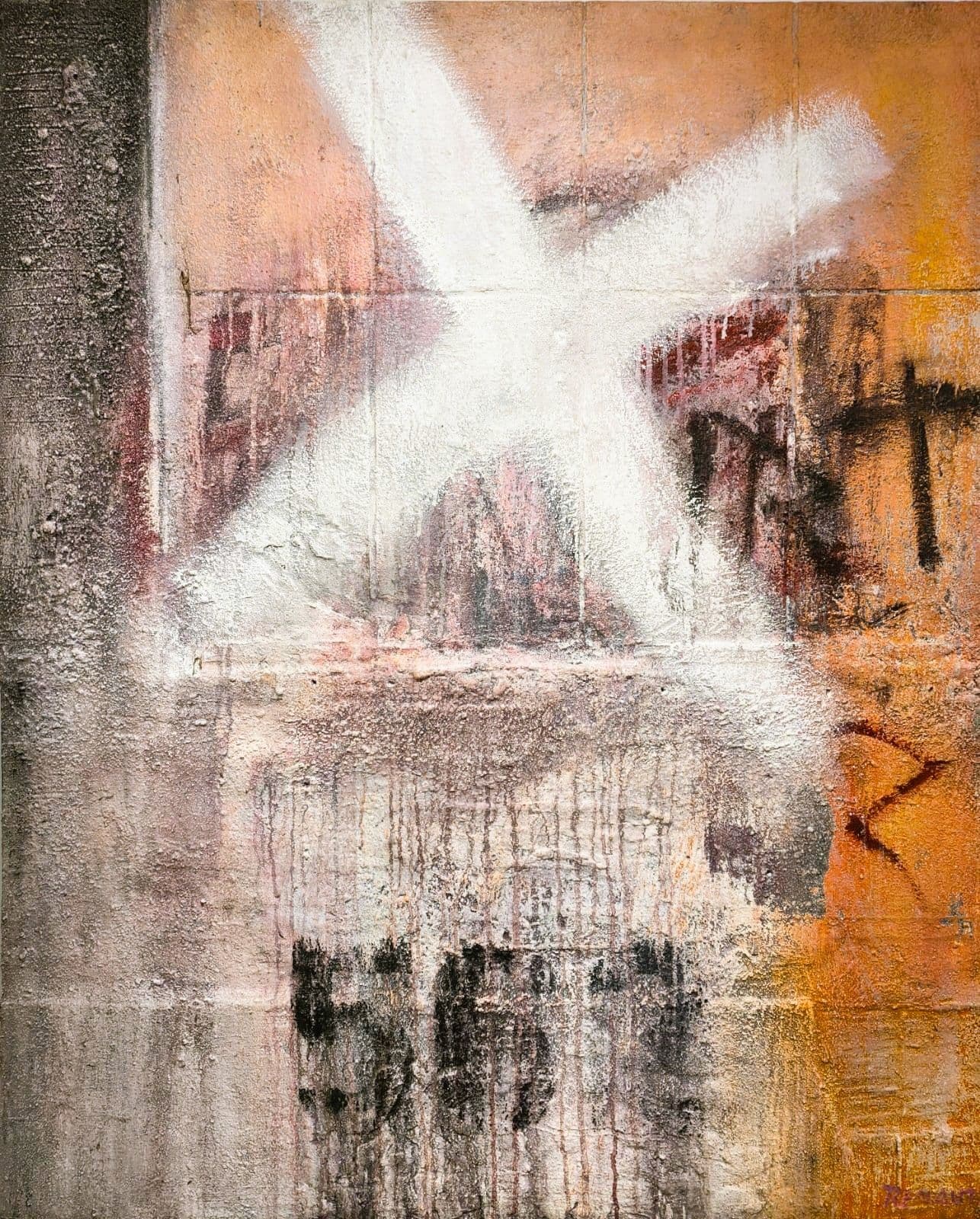
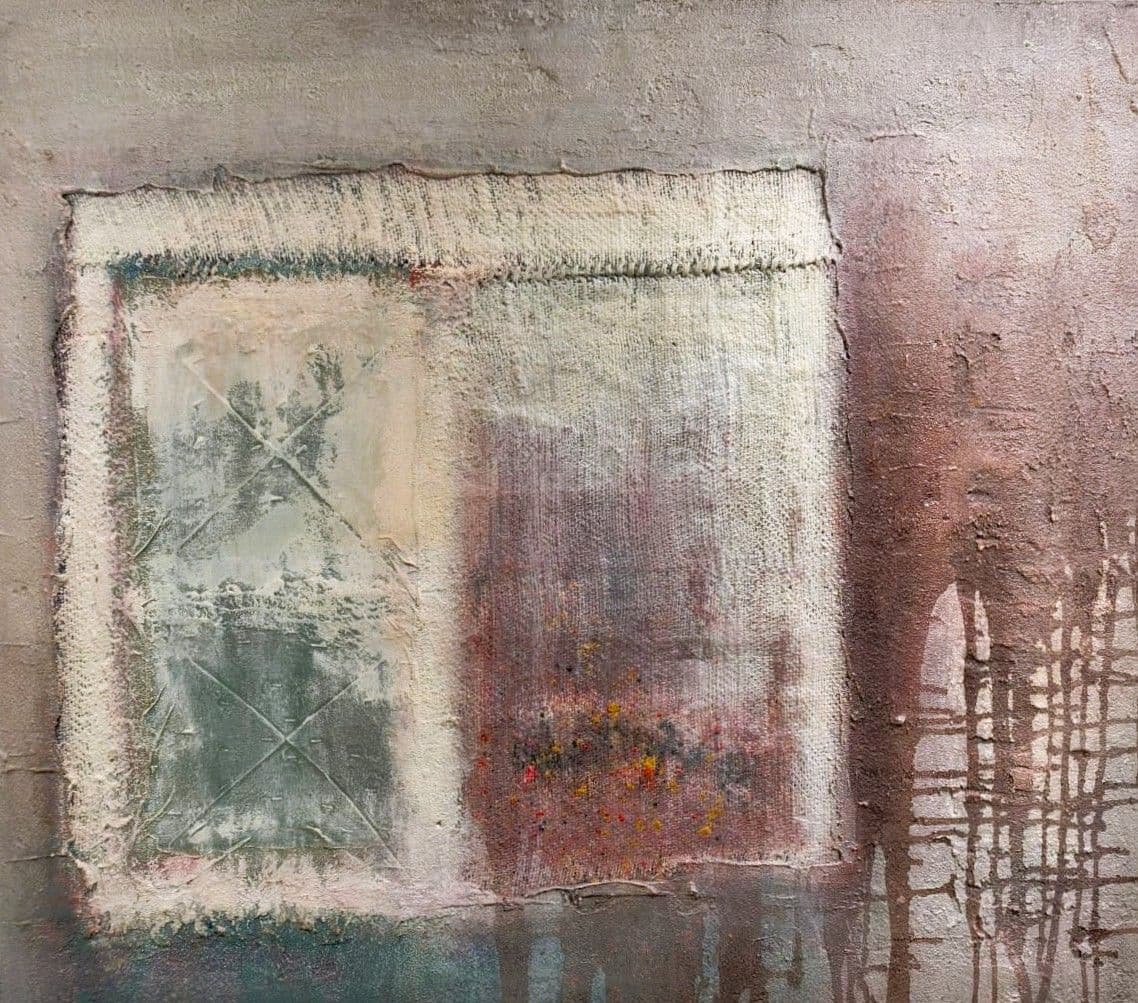
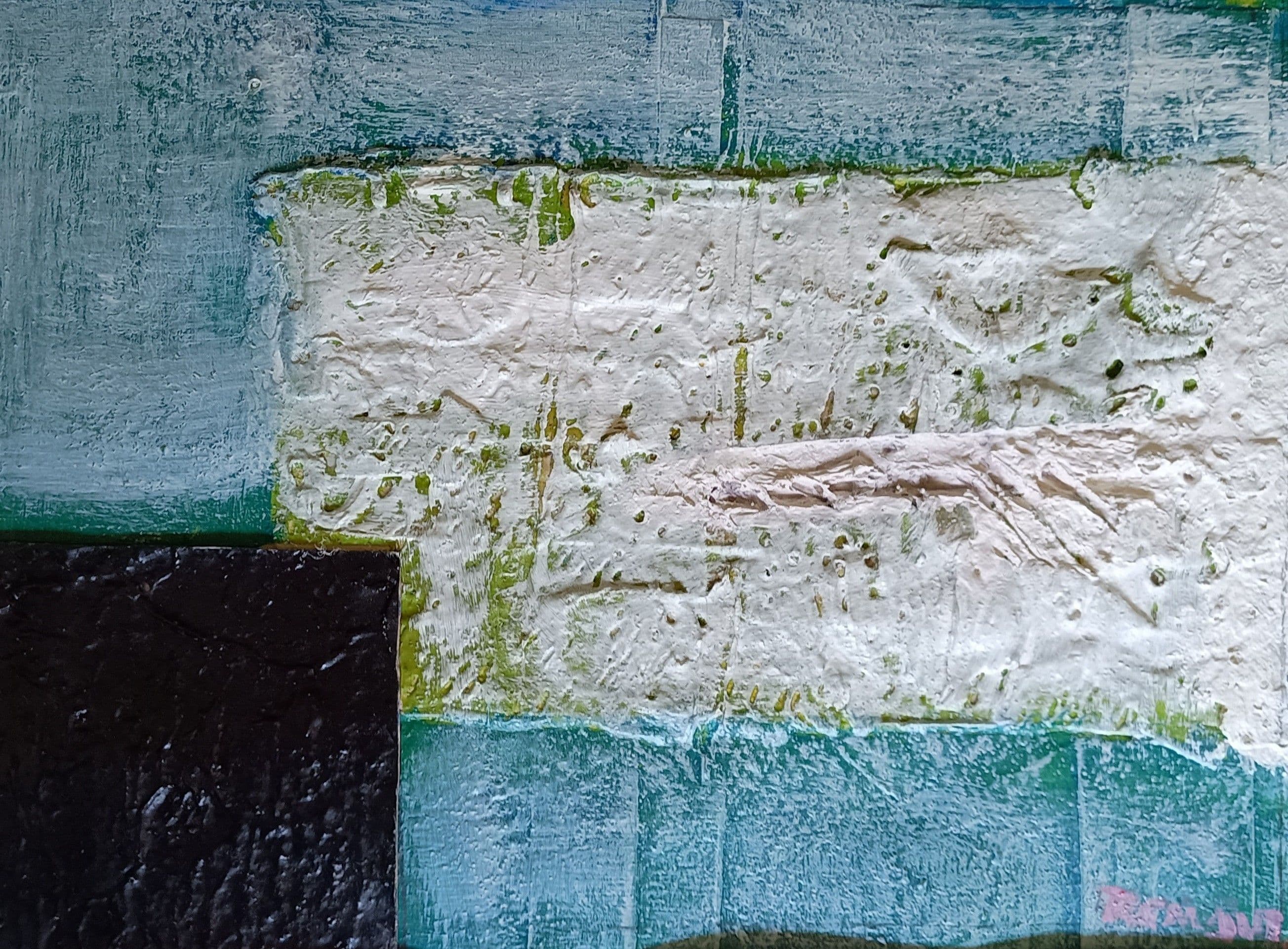
Remaut's paintings are particularly suited to close looking. His work combines rich impasto, scratched and weathered surfaces, subtle tonal shifts and strong structural lines. There is a tension between architectural geometry and more organic, tactile qualities, with layers that reveal themselves gradually when viewed at close range.
That physicality matters in a shopping-centre environment. A passerby may initially see an abstract painting from a distance and wonder what they are looking at. But the work rewards the decision to stop. Step closer and the surface begins to reveal itself: the texture, the accumulated layers, the marks and the variations in tone.
This is one of the things we find most interesting about exhibiting contemporary art outside the traditional gallery. The visitor isn't necessarily arriving with the expectation that they need to understand the work. They encounter it first as an object — something they can look at, respond to and perhaps imagine within their own environment.
The question can shift from “What is this supposed to be?” to something much more immediate: “What am I responding to?”
In that sense, the shopping centre doesn't diminish the work. It changes the circumstances in which the work is encountered. Remaut's paintings become part of the visual rhythm of everyday life, asking people who may not have planned to see contemporary art to stop, look and spend a little time with it.
Roger Remaut at La Vie Guarda: Exhibition Details
- Artist: Roger Remaut
- Venue: La Vie Guarda Shopping Centre
- Location: Avenida dos Bombeiros Voluntários Egitanienses 5, Guarda, Portugal
- Dates: From 25 September for 1 month
- Opening Hours: Daily, 10 am to 10 pm
- Admission: Free & Open to the Public
Final Thoughts: Reimagining Where Art Belongs
Is the traditional gallery dead? Of course not. There will always be a place for the quiet, contemplative space of the dedicated gallery or museum.
But the idea that art only belongs behind those doors is an outdated constraint.
Bringing Roger Remaut’s work into La Vie Guarda for our third exhibition isn't a compromise, it is an expansion of what an exhibition can achieve. It places contemporary art directly into the flow of design, fashion, and daily life, meeting people exactly where they are.
Whether you are an artist looking for new ways to reach audiences, a curator seeking flexible models, or simply a visitor dropping by La Vie Guarda to browse the shops, we invite you to step inside, take a moment, and experience what happens when contemporary art steps out of the white cube and into the real world.
Continue reading