Corporate Art and Workplace Design: How Art Can Transform the Modern Office
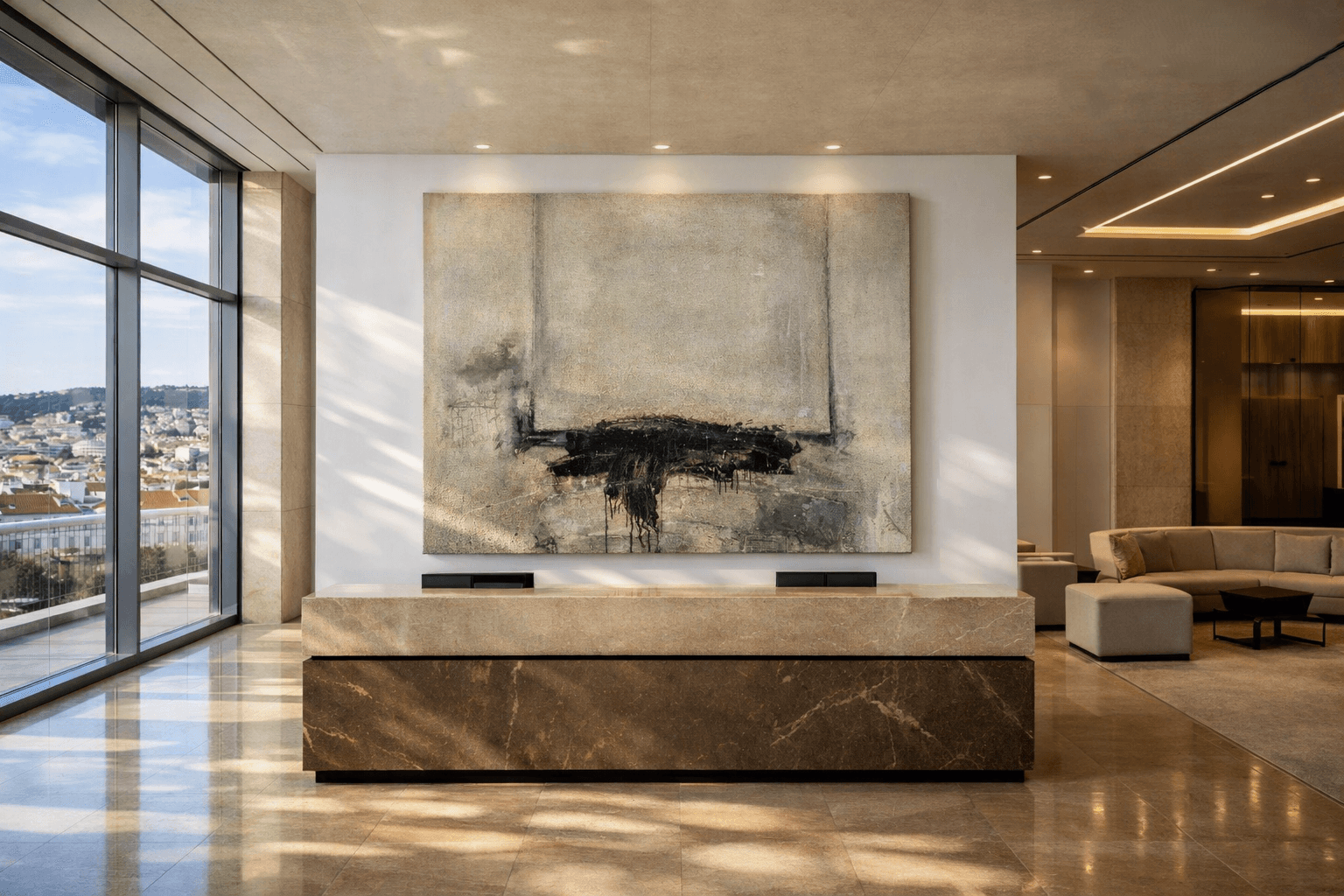
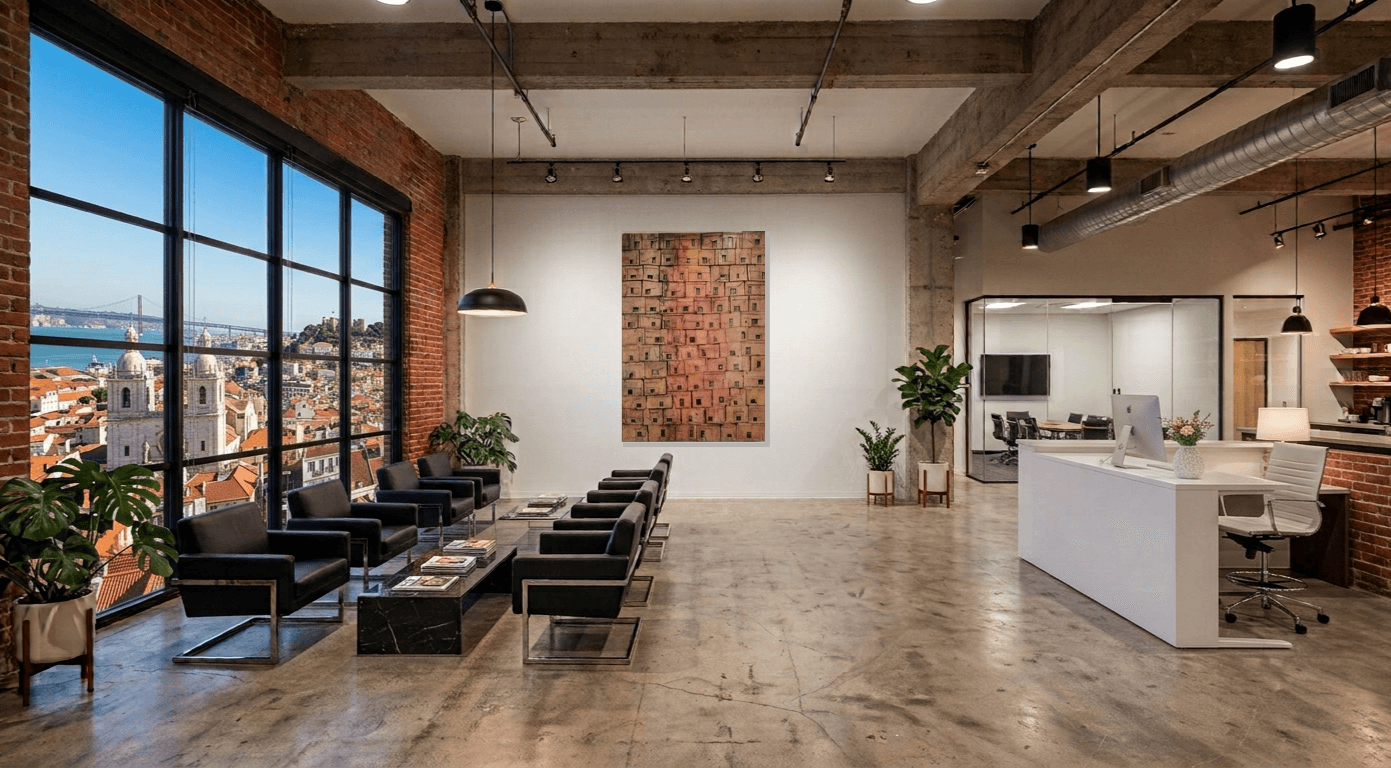
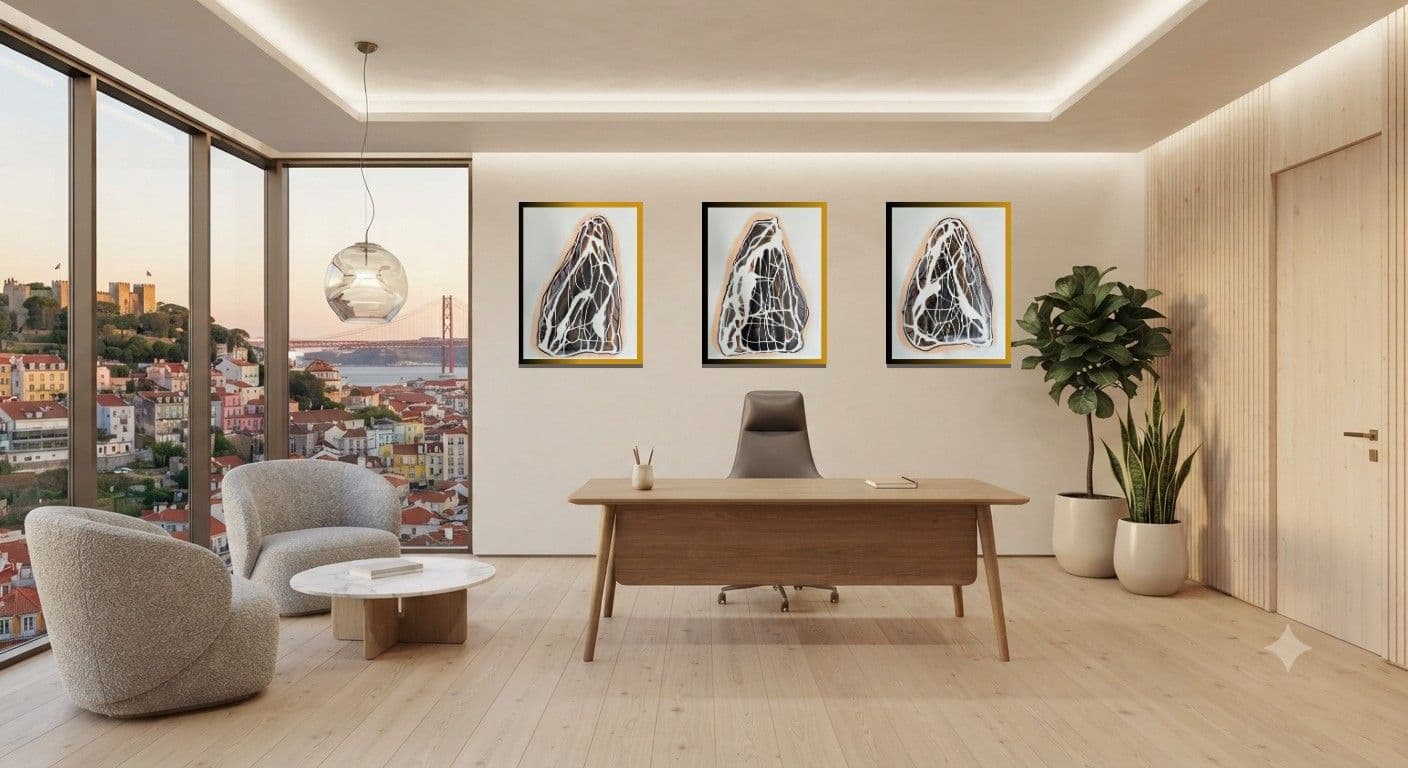
Fine art can do far more than decorate a corporate office. Thoughtfully selected artwork can help create more engaging, welcoming spaces, support employee wellbeing and creativity, reinforce company identity, and give workplaces a stronger sense of character and connection.
Belinda Levez · 18/09/2026
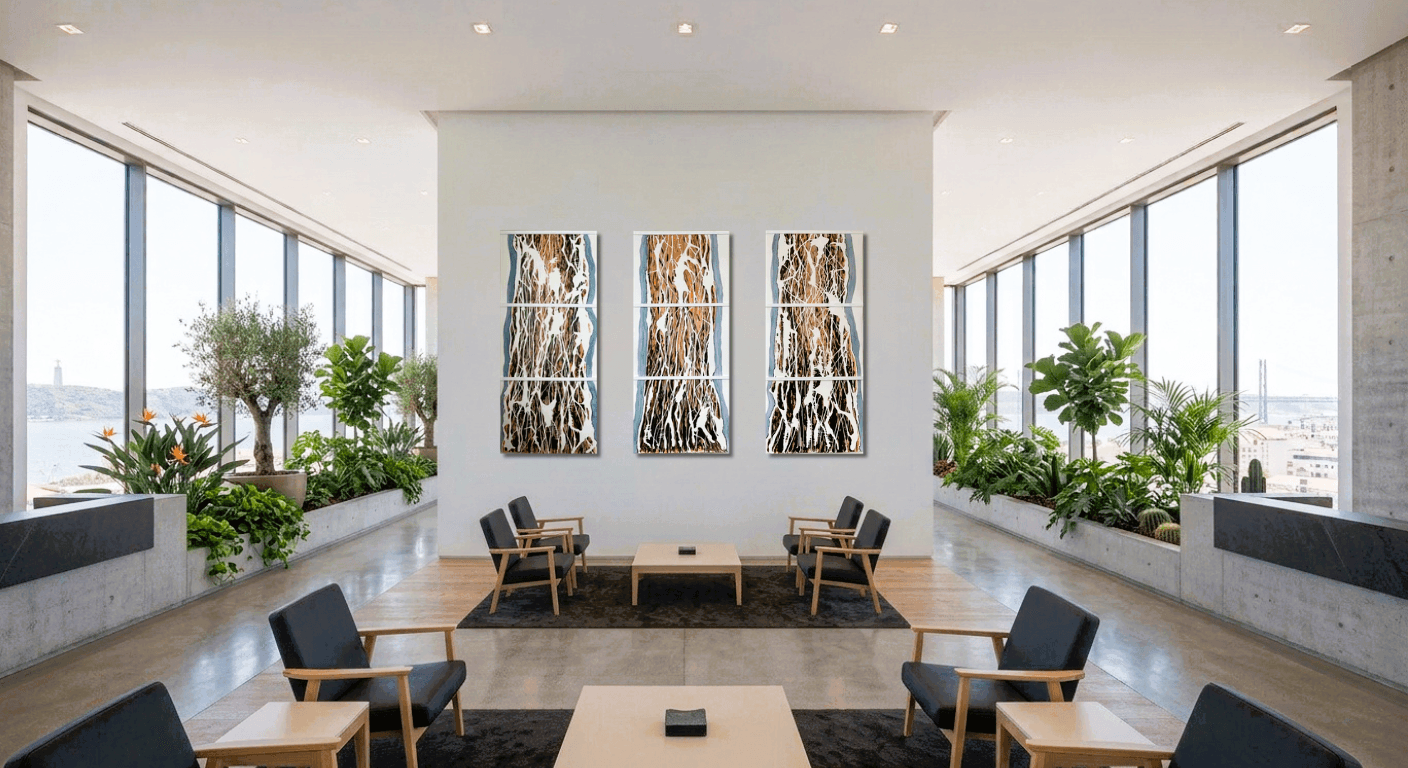
For many years, commercial interiors followed a largely functional approach. The ideal corporate workspace was often simple and understated: white walls, neutral carpets, and standardized workstations designed to create an efficient environment with as few distractions as possible.
Today, we have a better understanding of how our surroundings can influence the way we work. Research into workplace design suggests that overly sterile environments can contribute to tiredness and stress, while more engaging spaces can help support creativity, focus, and overall well-being.
For business leaders, architects, and interior designers, fine art can therefore play a much greater role than simply adding the finishing touch to an office. A thoughtfully selected collection can bring character to a workplace, reinforce a company's identity, and create an environment where people feel more comfortable, inspired, and connected to their surroundings.
How Art Can Improve the Workplace
One of the most interesting areas of workplace research looks at how much control people have over their surroundings.
A study led by Dr. Craig Knight at the University of Exeter compared different types of office environments. Some spaces were kept very simple, others were decorated with artwork, and in another setting employees were given the opportunity to have a say in how the space was arranged and decorated.
The results suggested that the way people experienced their surroundings made a meaningful difference. Employees working in enriched spaces performed better than those in very basic environments, while those who had some influence over their surroundings showed an even stronger improvement in performance.
The findings highlight an important idea: people tend to feel more engaged when they have some sense of ownership over the spaces in which they work.
This doesn't mean that every employee needs to choose the artwork on their own. Rather, involving people in aspects of their working environment can help create a stronger sense of connection and belonging.
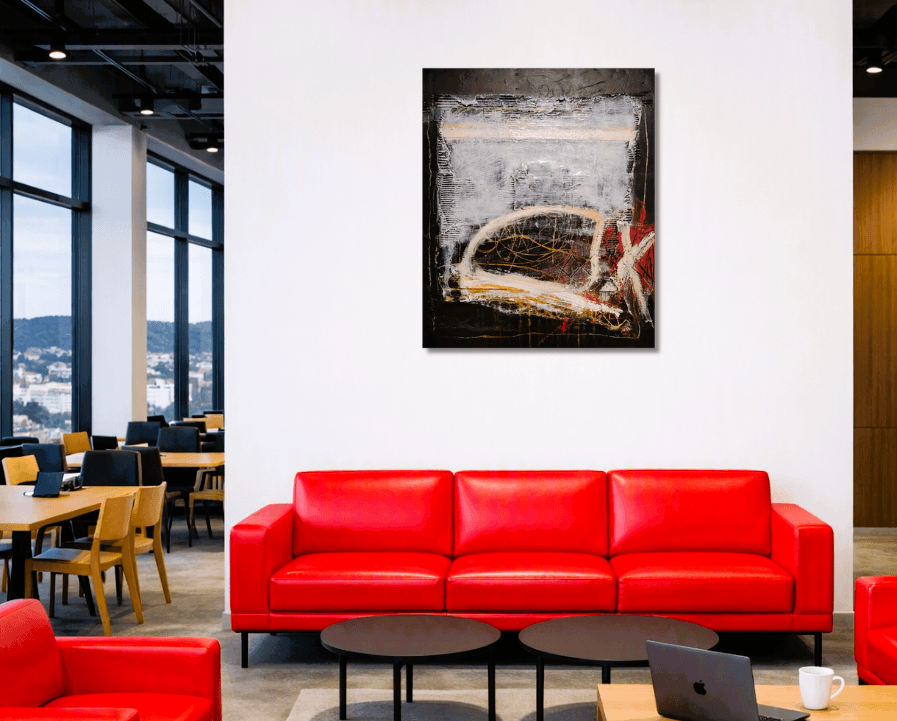
Workplace Art, Stress, and Employee Wellbeing
Modern work can be mentally demanding. Long periods of concentration, meetings, deadlines, and constant digital communication can leave people feeling drained by the end of the day.
Art can provide a welcome change of pace.
Psychologists have long explored the idea that certain environments can give our minds an opportunity to step away from sustained concentration. Looking at an interesting painting, photograph, sculpture, or installation can offer a brief moment of reflection without requiring the kind of intense focus associated with work tasks.
Research into art in the workplace has also found positive associations with employee well-being. A survey conducted by the Business Committee for the Arts and the International Association of Professional Art Advisors found that many employees felt that artwork helped reduce stress, encouraged creativity, and contributed positively to their experience of the workplace.
For employees moving between meetings, concentrating on complex projects, or simply taking a short break, an engaging piece of art can offer a small but valuable opportunity to pause and reset.
The effect doesn't have to be dramatic. Sometimes, simply having something interesting to look at can make a space feel more welcoming and enjoyable.
How Art Supports Workplace Design and Wayfinding
For architects and interior designers, art can also be an important part of how a building feels and functions.
Large workplaces can sometimes feel repetitive or difficult to navigate. Carefully positioned sculptures, textile pieces, murals, or other large-scale works can help give different areas their own identity. They can act as visual landmarks, making a space easier to understand while adding warmth and personality.
Art can also complement different types of working areas.
Quiet spaces might benefit from more understated or calming pieces, while collaborative areas could feature work that is colourful, energetic, or thought-provoking. Social spaces can accommodate more tactile or playful pieces that encourage conversation.
In this way, art doesn't simply decorate a workplace. It can help define how people experience different parts of it.
There can even be a practical benefit. Textiles, felt pieces, and specially designed acoustic artworks can help soften sound in open-plan environments while still contributing to the overall design.
Corporate Art and Company Culture
An office says something about the organisation that occupies it.
The colours, furniture, materials, lighting, and artwork all contribute to the impression that employees and visitors form when they enter a space. A thoughtfully considered art collection can help make that impression feel distinctive and authentic.
For companies looking to reflect their values through their surroundings, art offers many possibilities.
Working with local or emerging artists can create a connection with the surrounding community. Bringing together artists from different backgrounds can introduce a wider range of perspectives into the workplace. Commissioning work using sustainable materials or incorporating digital technology can also provide an opportunity to explore themes such as innovation and sustainability.
Most importantly, the collection should feel genuine. Art is most effective when it reflects the character of an organisation rather than simply being added because it seems like something a modern office should have.
When people feel that their workplace has been thoughtfully designed, it can contribute to a stronger sense of pride and belonging.
How to Create an Effective Corporate Art Programme
Introducing art into a corporate environment doesn't necessarily require a large budget or a complete redesign. It starts with thinking about the workplace as a whole and considering how art can complement the people who use it.
Where possible, employees can be invited to contribute ideas or take part in selecting pieces for shared areas. Even a small amount of involvement can help people feel more connected to their surroundings.
Design teams can also look beyond standard prints and explore a mixture of mediums, including original paintings, photography, textiles, sculpture, and digital work. A varied collection can make the environment feel more personal and interesting.
Ultimately, bringing fine art into the workplace is about more than making an office look attractive. It is about creating an environment that feels considered, welcoming, and connected to the people who use it.
A well-chosen artwork can provide a moment of inspiration between meetings. A sculpture can give an otherwise anonymous space a sense of identity. A collection can tell visitors something meaningful about a company's values.
When architecture, design, and art work together, the result can be a workplace that feels less like a collection of desks and more like a place where people want to spend time, think, collaborate, and create.
About the Author
Belinda Levez is Co-Founder and Owner of Xochi Art Gallery in Portugal, specialising in museum-quality art leasing and corporate art management. With more than 30 years of experience as an author and art-industry professional, she works with businesses to develop thoughtful art collections, support artists, and create distinctive workplace environments.
Ready to Rethink Art in the Workplace?
The right artwork can do more than fill a wall. It can bring character to a space, reflect your organisation's values, and create an environment where people feel inspired and connected.
Xochi Corporate provides museum-quality contemporary art leasing and corporate art management for businesses looking to create meaningful, sophisticated environments. From curation and sourcing to professional installation and ongoing collection management, we take care of the process from beginning to end.
Explore a more considered approach to art leasing with Xochi Corporate.
References
- Knight, C., & Haslam, A. (2010). The Relative Merits of Lean, Enriched, Empowered, and Disempowered Office Spaces. Journal of Experimental Psychology: Applied, 16(2), 158–172.
- Business Committee for the Arts (BCA) & International Association of Professional Art Advisors (IAPAA). Art at Work Survey.
- Kaplan, R., & Kaplan, S. (1989). The Experience of Nature: A Psychological Perspective. Cambridge University Press.
Continuar a ler