Material Abstract Art: A First-Time Collector’s Guide to Texture, Meaning and Value
Material abstract art invites us to look beyond representation and experience painting as a physical object. Built from layers of plaster, sand, pigment, wood and other materials, these tactile works transform the canvas into a surface of texture, depth and atmosphere. This guide explores the history of material abstraction, its key artists and what first-time collectors should look for when choosing a work, including the distinctive approach of Belgian artist Roger Remaut.
Belinda Levez · 05/10/2026
Abstract art can feel daunting to the newcomer. Where a classical landscape offers a recognizable horizon and a portrait gives us eyes to meet, abstract art invites us to step into a world without familiar landmarks. For first time collectors, the encounter often raises a fundamental question: if a painting does not depict a recognizable object, how do we begin to read it, value it, and live with it?
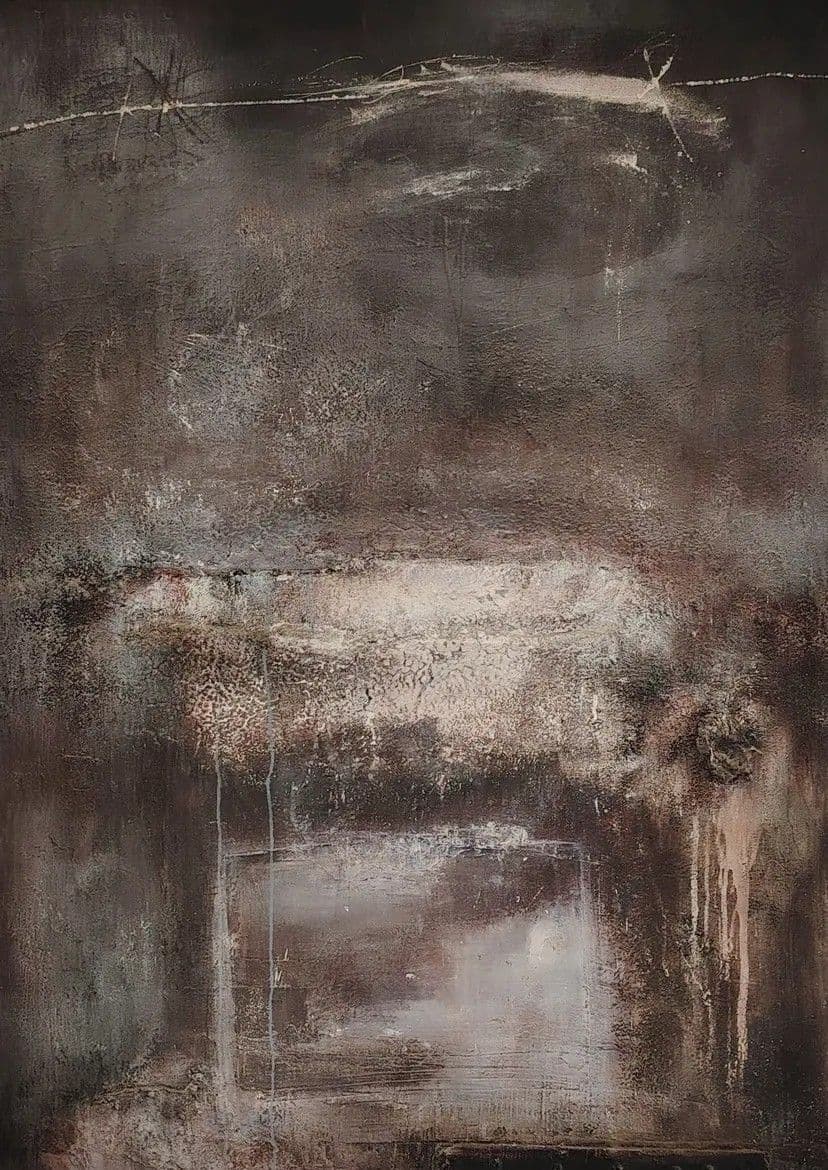
The answer lies in understanding a specific and powerful stream of modern visual culture: material abstract art. Unlike pure geometric abstraction, which focuses on pristine shapes and mathematical precision, material abstraction celebrates the tactile reality of the physical world. Here, the artwork is not merely a surface upon which an image is painted; it is a physical object built from raw elements. The canvas becomes a arena where plaster, sand, wood, burlap, cement, and thick coats of pigment collide. To collect material abstract art is to appreciate the physical presence of medium, texture, and process.
The Origins of the Tactile Canvas
To understand where material abstraction stands today, one must look back to the mid twentieth century, a period when artists around the globe began questioning the traditional boundaries of painting. Following the trauma of the Second World War, European and American artists felt that polished, figurative painting could no longer capture the fractured reality of human experience.
In Europe, this shift gave birth to movement known as Art Informel and its close relative, Matter Painting, or Peinture Materielle. Painters wanted to strip away intellectual pretense and return to the visceral earthiness of physical substance. In France, Jean Dubuffet pioneered the use of unconventional materials, mixing oil paint with gravel, sand, and tar to create encrusted surfaces that resembled weathered walls or ancient soil. Dubuffet believed that beauty could be found in the humblest of materials, encouraging viewers to look closely at texture rather than seeking refined draftsmanship.
Across the Atlantic, Abstract Expressionists like Jackson Pollock and Willem de Kooning were transforming the act of painting into an energetic physical gesture. While Pollock dripped paint directly onto unstretched canvas, others in Europe pushed even further into three dimensional space. Italian artist Alberto Burri famously used burlap sacks, scorched plastics, and ripped linens to craft works that carried the metaphorical scars of war. Spanish master Antoni Tapies transformed his canvases into heavy, wall like surfaces using clay, marble dust, and resin, carving incised lines and symbols into the dense mixture.
For these pioneers, the medium was not just a tool to represent an idea; the medium was the idea. They established a new visual language where texture, weight, and surface relief conveyed deep human emotion and historical memory.
Key Masters and Modern Perspectives
As a collector, recognizing the lineage of material abstraction helps contextualize contemporary practice. The historical masters set a precedent that continues to inspire artists today.
Antoni Tapies remains a central touchstone for anyone exploring this genre. His works possess a quiet, monolithic authority. By applying thick layers of paste and pigment, Tapies created surfaces that resemble ancient, crumbling walls marked by time and weather. His art asks the viewer to slow down, to notice the subtle gradations of tone and the quiet power of raw matter.
Another pivotal figure is the French painter Jean Fautrier, whose Otages (Hostages) series featured heavy, built up impastos of plaster and pigment. Fautrier showed how built up surfaces could evoke vulnerability, memory, and presence without ever relying on direct figurative depiction.
In the contemporary realm, artists continue to expand upon these traditions, incorporating both industrial materials and organic elements to comment on urban decay, environmental consciousness, or personal history. The appeal for collectors is immediate and enduring: these works change dynamically depending on the lighting in a room, revealing subtle shadows, hidden crevices, and shifting tones throughout the day.
The Luminous Textures of Roger Remaut
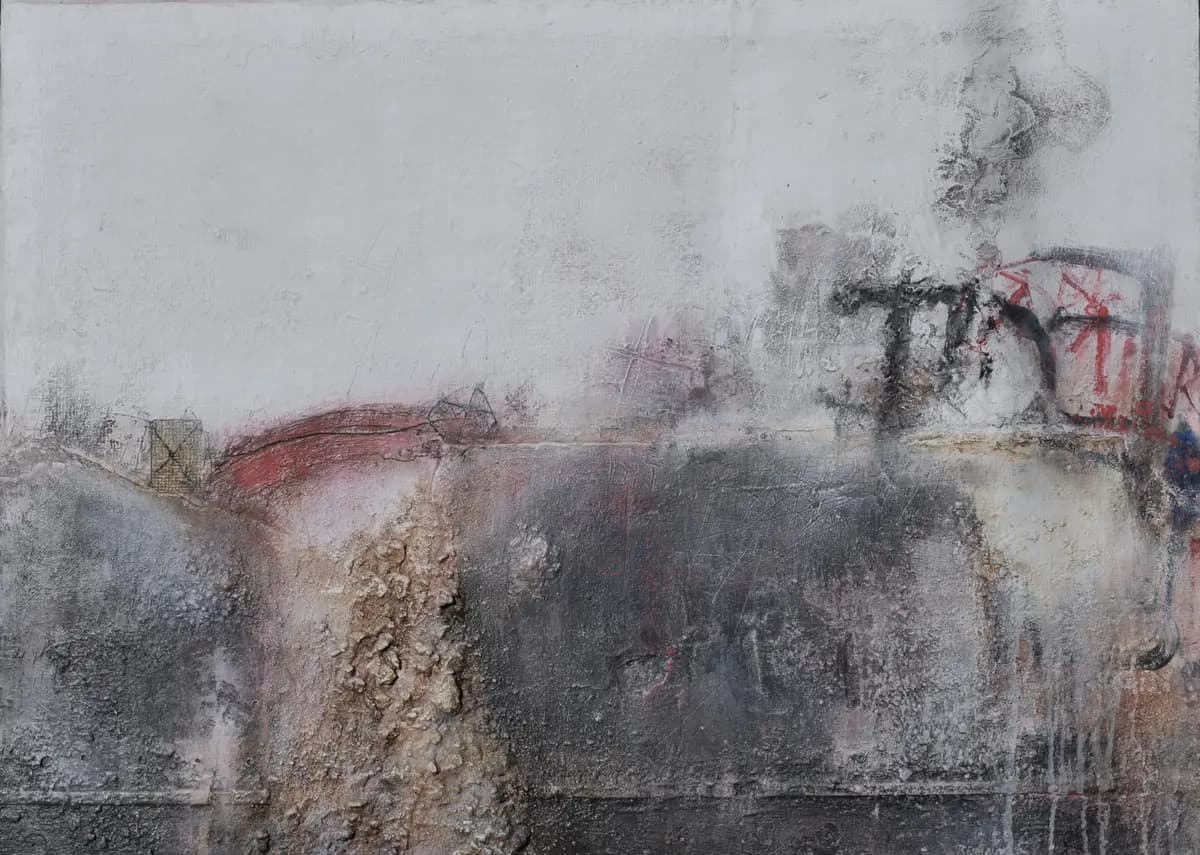
Among the refined contemporary figures within this tradition, the Belgian artist Roger Remaut occupies a unique and compelling position. Born in Ostend, a coastal city with a rich artistic lineage that includes James Ensor and Leon Spilliaert, Remaut has spent decades refining a visual language that balances rugged texture with luminous atmosphere.
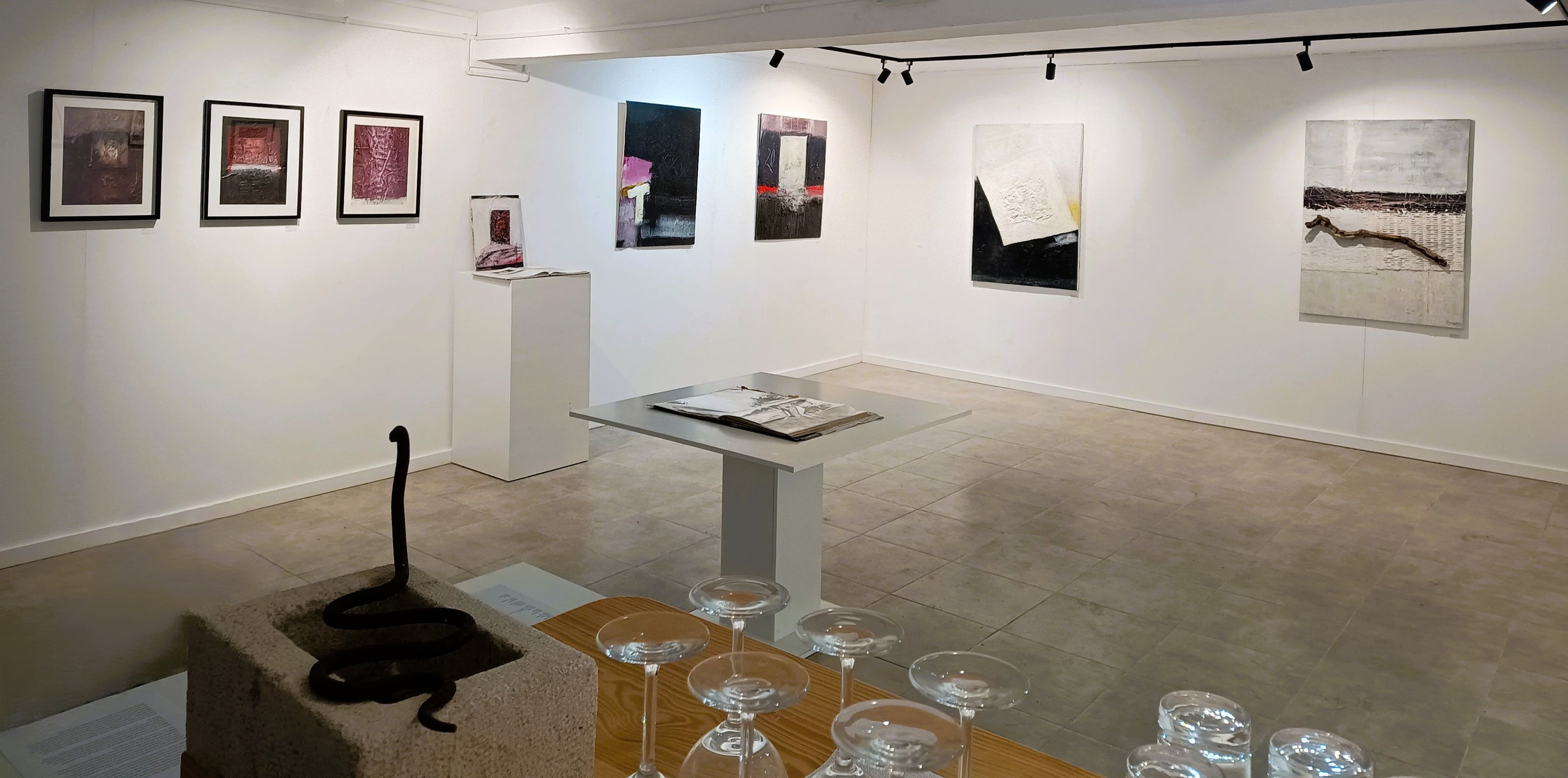
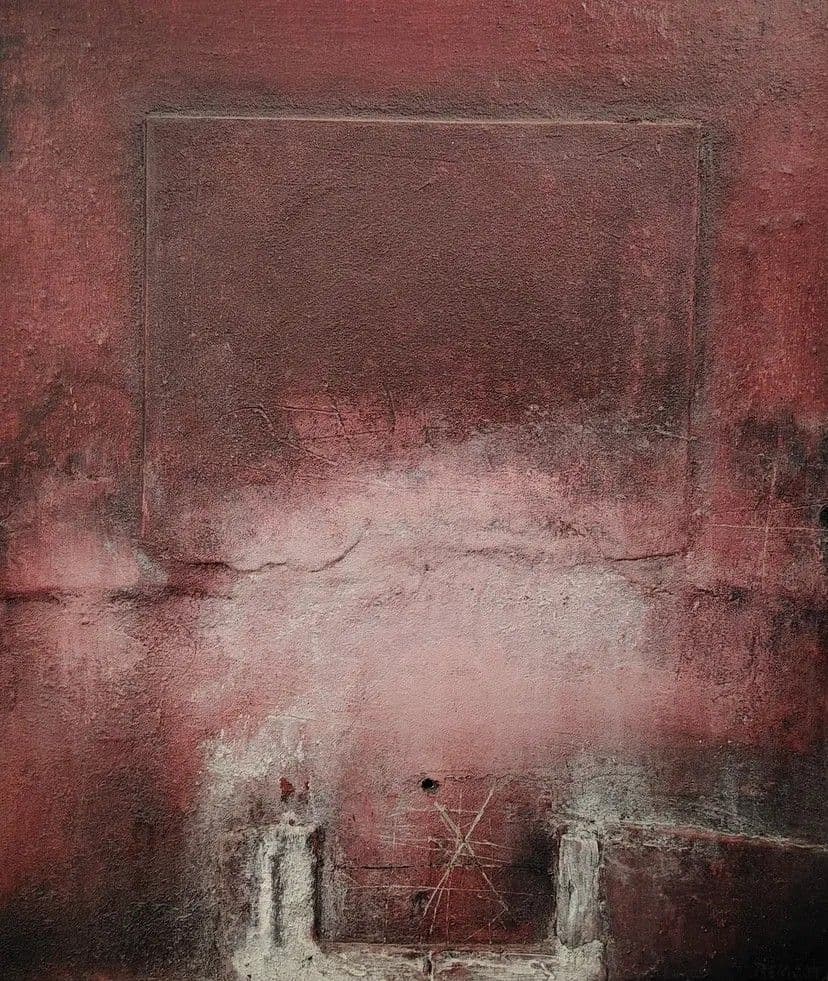
Remaut’s work embodies the essence of material abstraction. His canvases are rich, tactile topographies created through the meticulous layering of paint, plaster, sand, and pigment. Rather than applying smooth coats of color, Remaut builds his surfaces with palette knives and scrapers, carving into previous layers to reveal history beneath the top coat. The result is a surface that feels weathered, as though shaped by the natural forces of wind, salt, and sea.
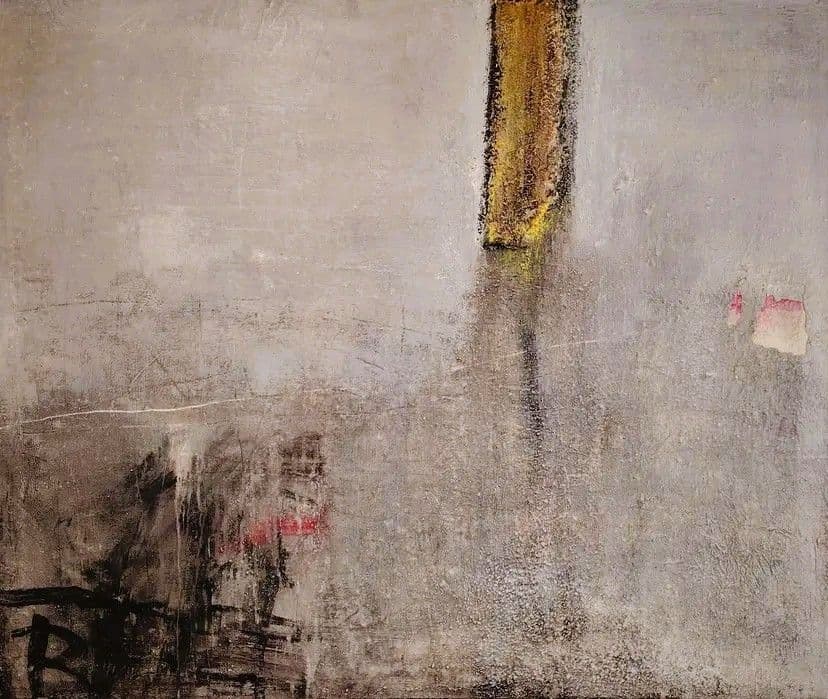
For the collector, Remaut’s palette offers a masterclass in subtlety. He often works with muted earth tones, soft ochres, chalky whites, slate grays, and weathered blues reminiscent of the North Sea coastline. Yet, beneath these understated tones lie rich underlayers of color that peek through scratches and incisions, catching light in surprising ways.
What distinguishes Remaut’s contribution to material abstraction is his ability to blend rugged materiality with poetic stillness. His compositions never feel overcrowded or chaotic. Instead, they evoke a sense of quiet solitude, echoing the vast, open horizons of his native coastal landscape. To acquire a work by Remaut is to bring a piece of quiet architectural drama into a space, offering a contemplation point that rewards patient observation.
A Guide for the First Time Collector
Navigating the art market for the first time can feel overwhelming, but collecting material abstract art offers distinct pleasures and practical advantages. Because these works rely so heavily on physical texture, they possess an authentic presence that prints or digital works simply cannot replicate.
When evaluating a piece of material abstract art, start by considering the surface quality. Look at how the artist has built up the medium. Is the application thick and sculptural, or delicately layered? Pay close attention to how light interacts with the work. A good material abstract painting will catch natural light differently at morning, noon, and dusk, offering an evolving visual experience.
Consider also the harmony between texture and scale. Material abstract art often commands a strong physical presence, meaning even a modest canvas can anchor a room effectively. Larger works can function almost as architectural elements, transforming the ambiance of an interior space through their sheer weight and visual depth.
When purchasing your first piece, focus on emotional connection over speculative investment. Ask yourself how the work makes you feel when you stand in front of it. Does the texture evoke a sense of history, calm, or raw energy? The best collections are built on genuine resonance between the collector and the object.
Acquiring works by established yet accessible masters like Roger Remaut provides a ideal entry point for new collectors. His mature body of work carries historical weight while remaining profoundly livable and visually engaging.
Material abstract art bridges the gap between painting and sculpture, offering a rich tactile experience that celebrates the physical nature of creation. By understanding its history from post war Europe to modern coastal studios, a first time collector can approach this vibrant field with confidence, discovering pieces that bring enduring depth, texture, and soul into their home.
Continuar a ler